
Guide to Book Publishing


Books have long held a special place in the hearts of Peace Corps Volunteers. In the early days, Volunteers were provided with a “book locker” filled with the classics of world literature to pass the time in the remote villages where they served. Later volunteers carried their own favorite paperbacks, and the trade in desirable books within cohorts spread knowledge, enlightenment, diversion from Volunteer to Volunteer and village to village. And from the beginning, RPCVs have gone on to become authors themselves, contributing their own stories to the classics of world literature, with not a few of them reaching bestseller status and putting the Peace Corps on the literary map.

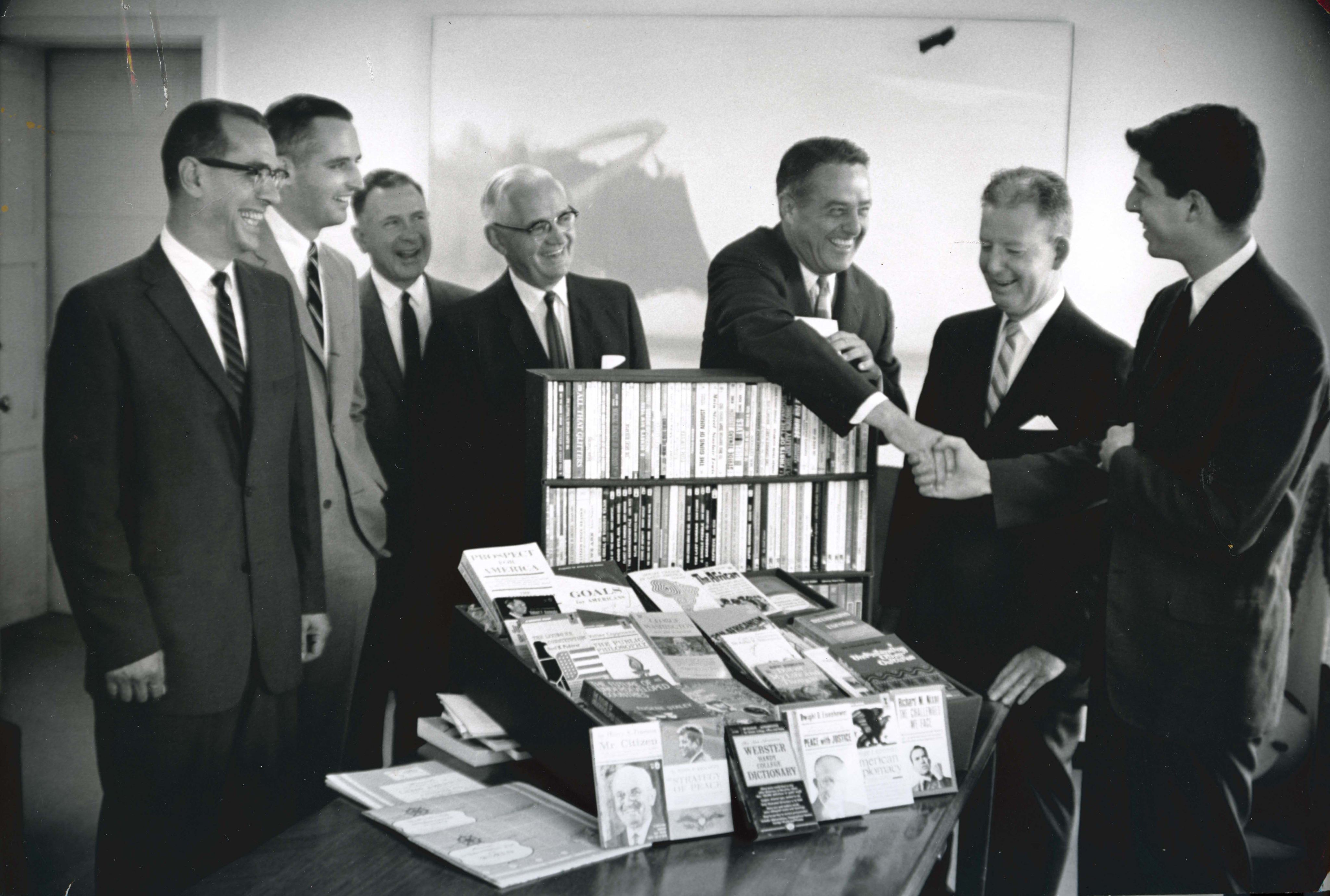
Sargent Shriver and staff with one of the book lockers given to Volunteers in the early years of Peace Corps.
Sargent Shriver and staff with one of the book lockers given to Volunteers in the early years of Peace Corps.
The WorldView Guide to Writing (and Writers), produced by the National Peace Corps Association in partnership with Peace Corps Writers, is an in-depth multimedia experience to help RPCVs and others explore the pursuit of writing, from memoirs to fiction, travelogues to poetry.

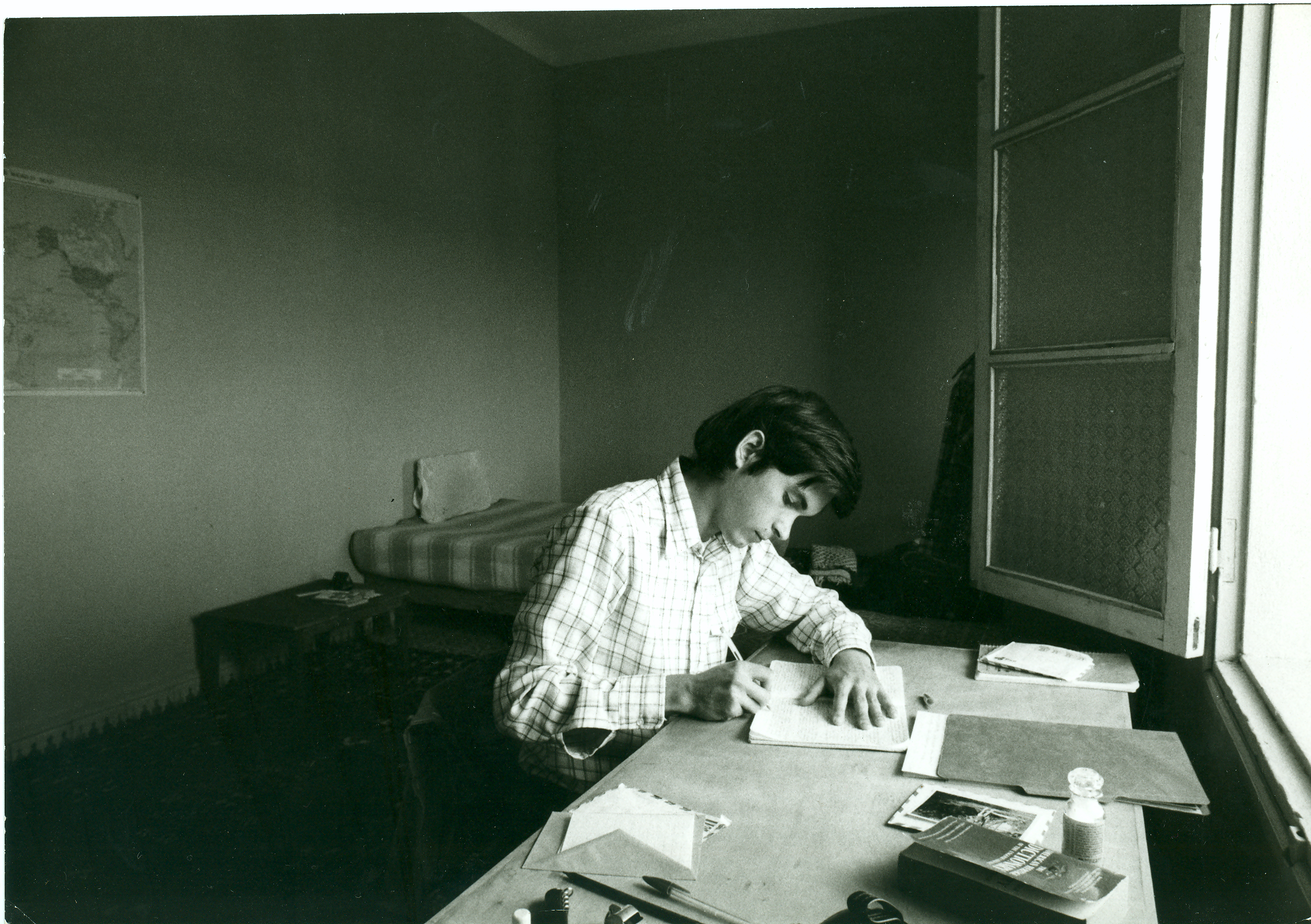



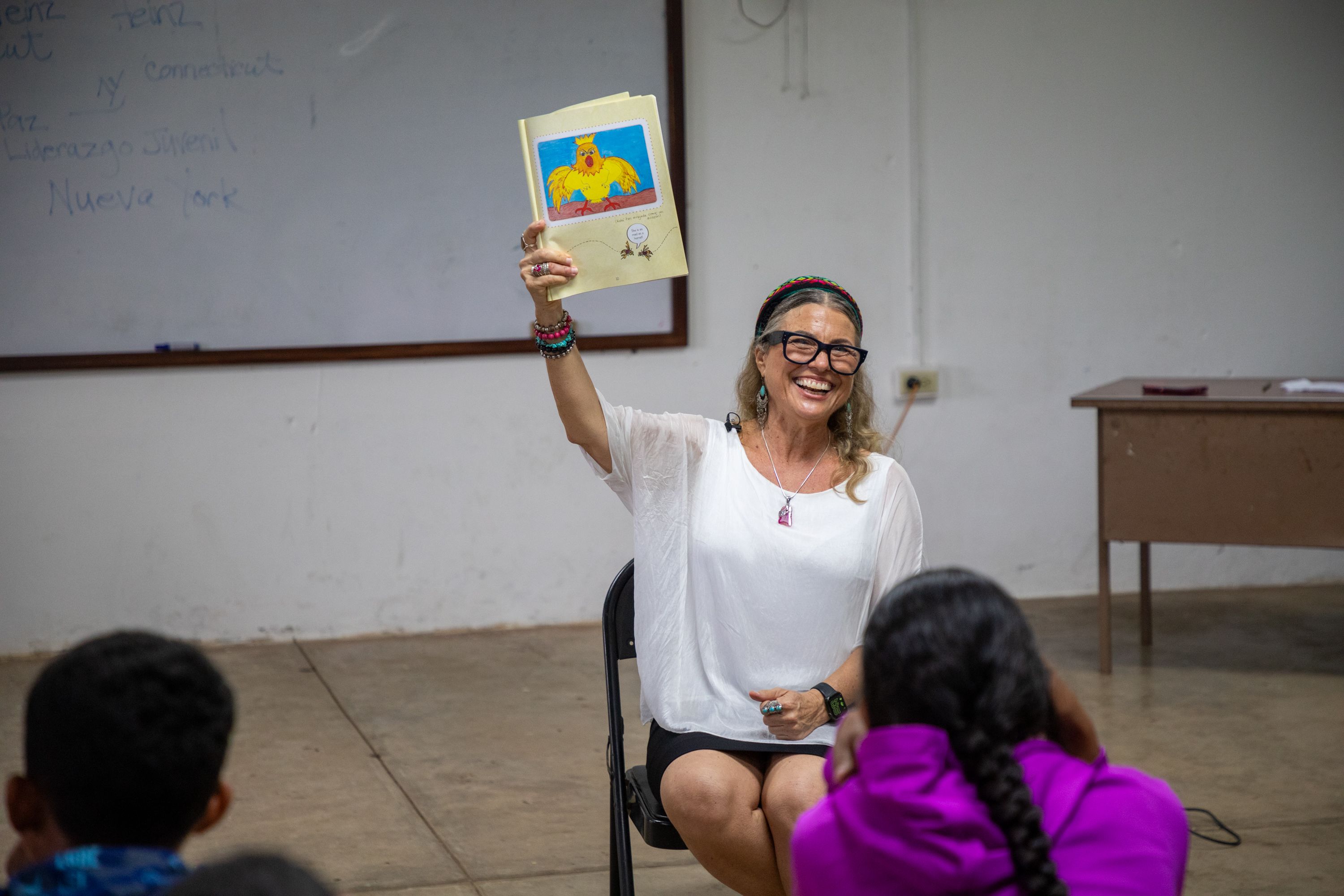
Returned Volunteers have been shaping America’s view of the world for decades, and their stories are more essential now than ever.
It doesn't matter who you are or how much you have written; facing a blank page to tell the story of your life can be intimidating.
We're here to reassure you that, as a Returned Peace Corps Volunteer, you have a great story to tell. The key question is where to start.
FIVE CLASSIC PEACE CORPS BOOKS
From intimate looks at remote villages to thoughtful commentary on vast continents, these classic works by Returned Peace Corps Volunteers illuminate the challenges, humor, and humanity found in service around the world. How many have you read? Share your favorites on Peace Corps Connect+

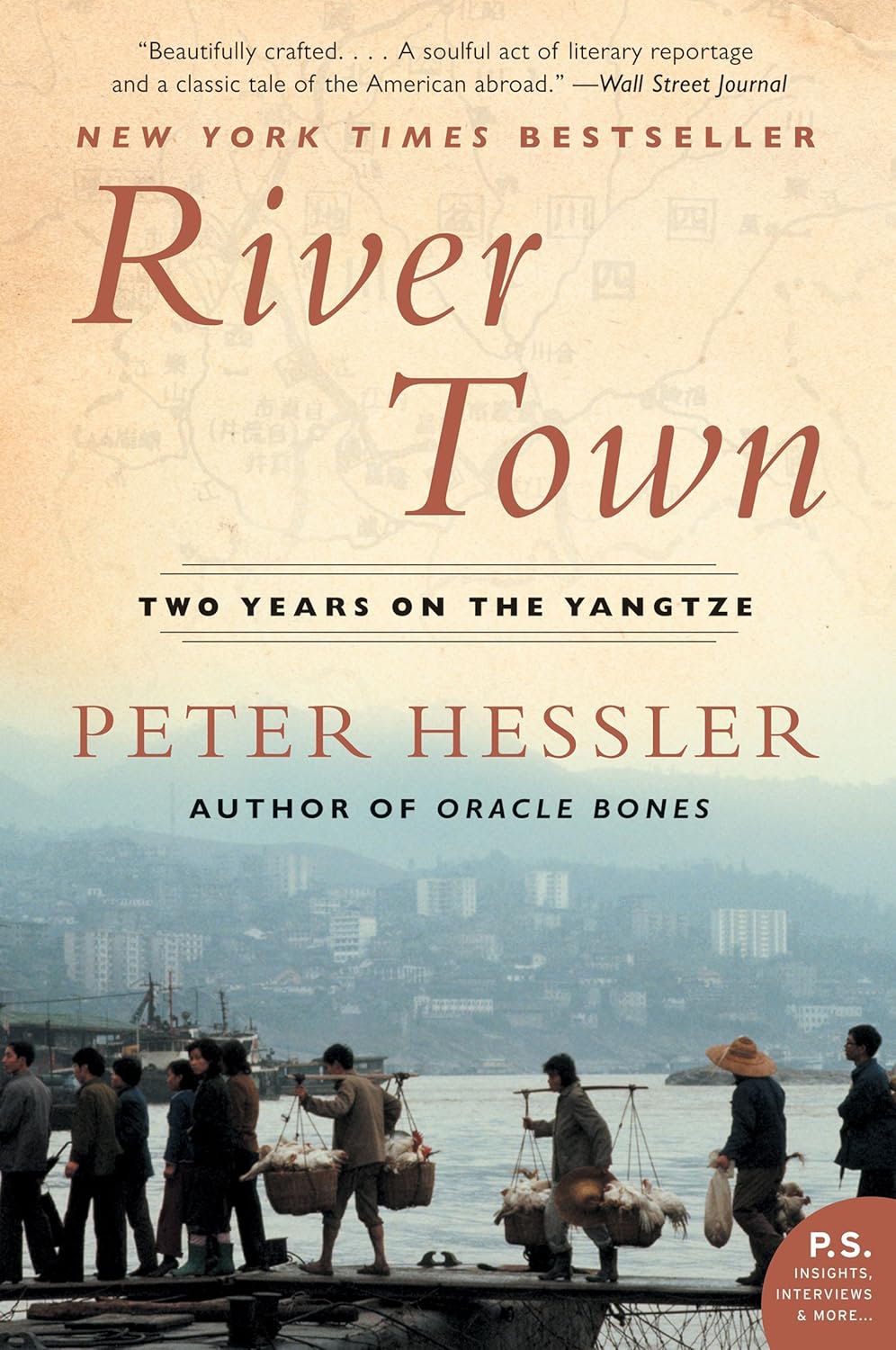
River Town, Peter Hessler’s portrait of a remote Chinese town during a moment of transformation is both deeply personal and quietly universal. His ability to listen, learn, and reflect embodies the Peace Corps spirit—immersing oneself fully in a culture to understand it from within.

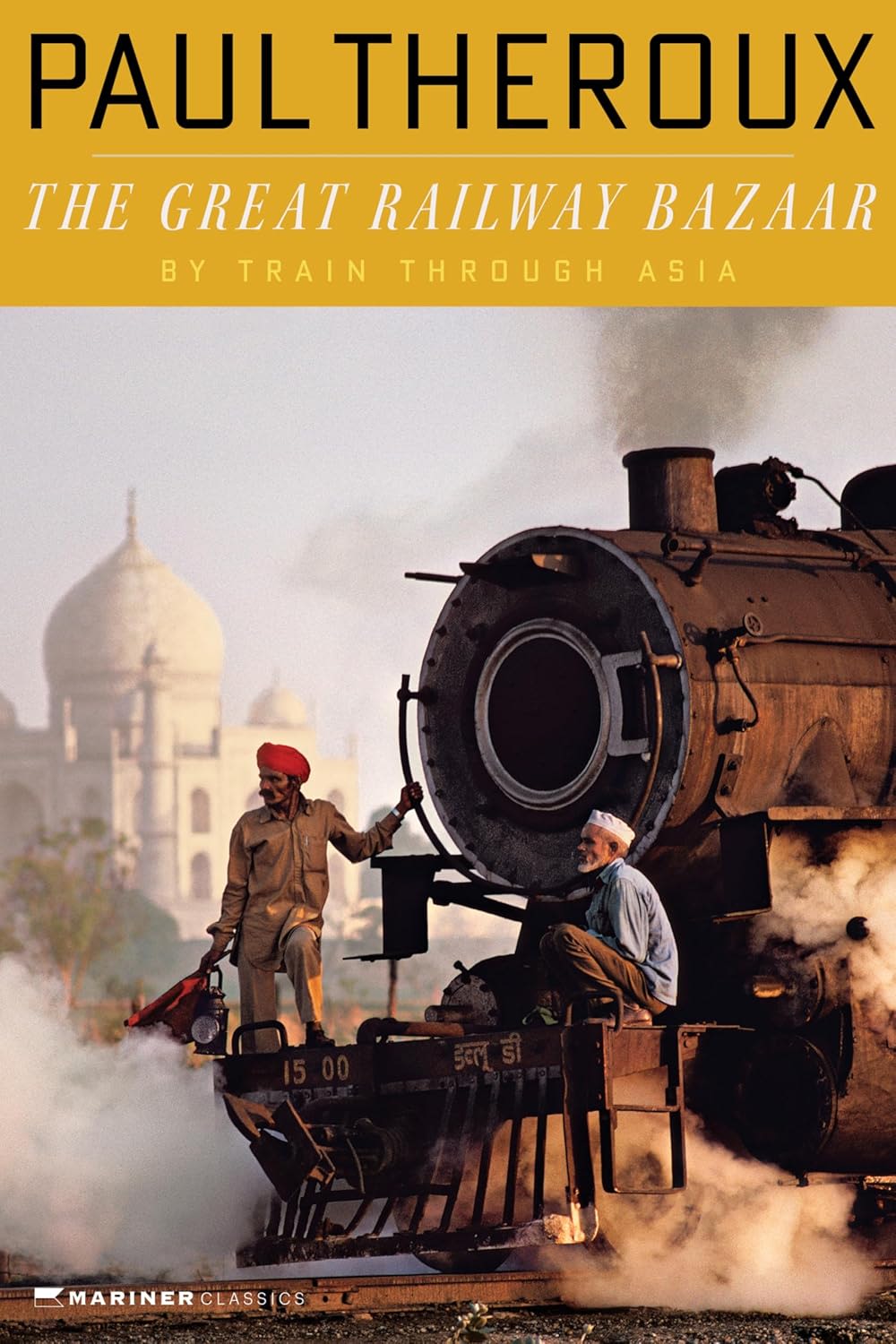
From London to Tokyo by rail, Paul Theroux's The Great Railway Bazaar transforms a long, unpredictable journey into a meditation on curiosity and connection. His sharp observations and wry humor remind Peace Corps Volunteers why travel— at its best—is an act of empathy and discovery.

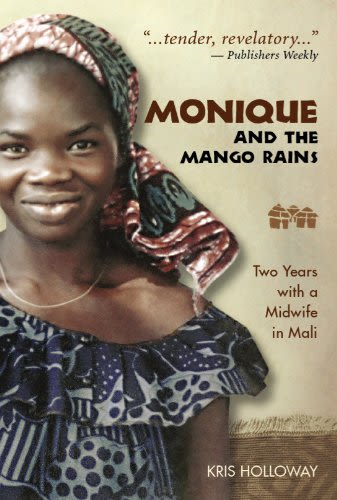
Monique and the Mango Rains, Kris Holloway’s moving tribute to her friend and colleague Monique Dembélé, a village midwife in Mali, reveals how two women from different worlds changed each other’s lives. It’s a story that captures the essence of Peace Corps service: Partnership, humility, and the power of shared values.

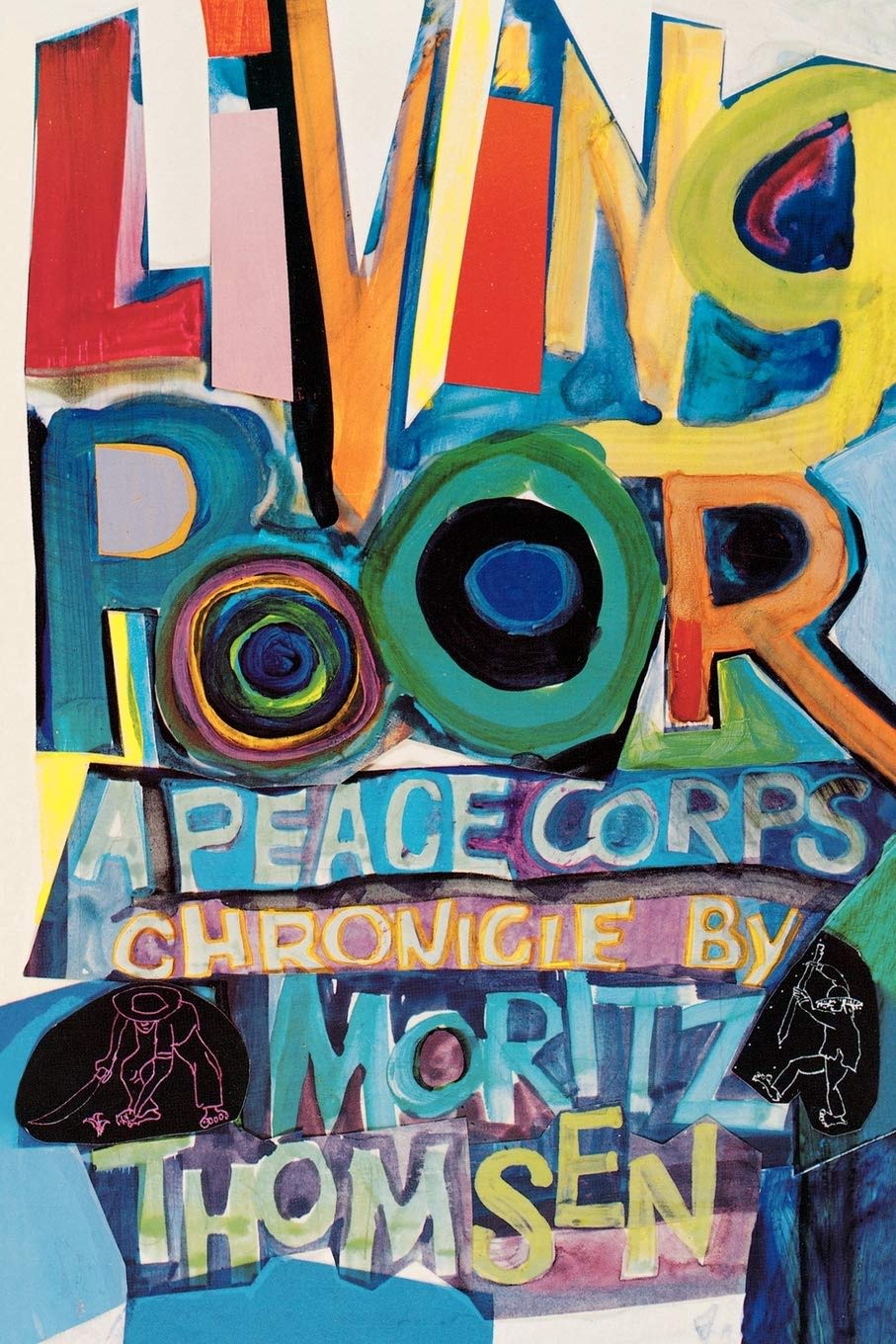
Moritz Thomsen’s classic memoir of life in a small Ecuadorian village, Living Poor, remains one of the most honest books ever written about service abroad. His humor, frustration, and hard-won insights still speak to every Volunteer who has wrestled with what it truly means to “live poor.”
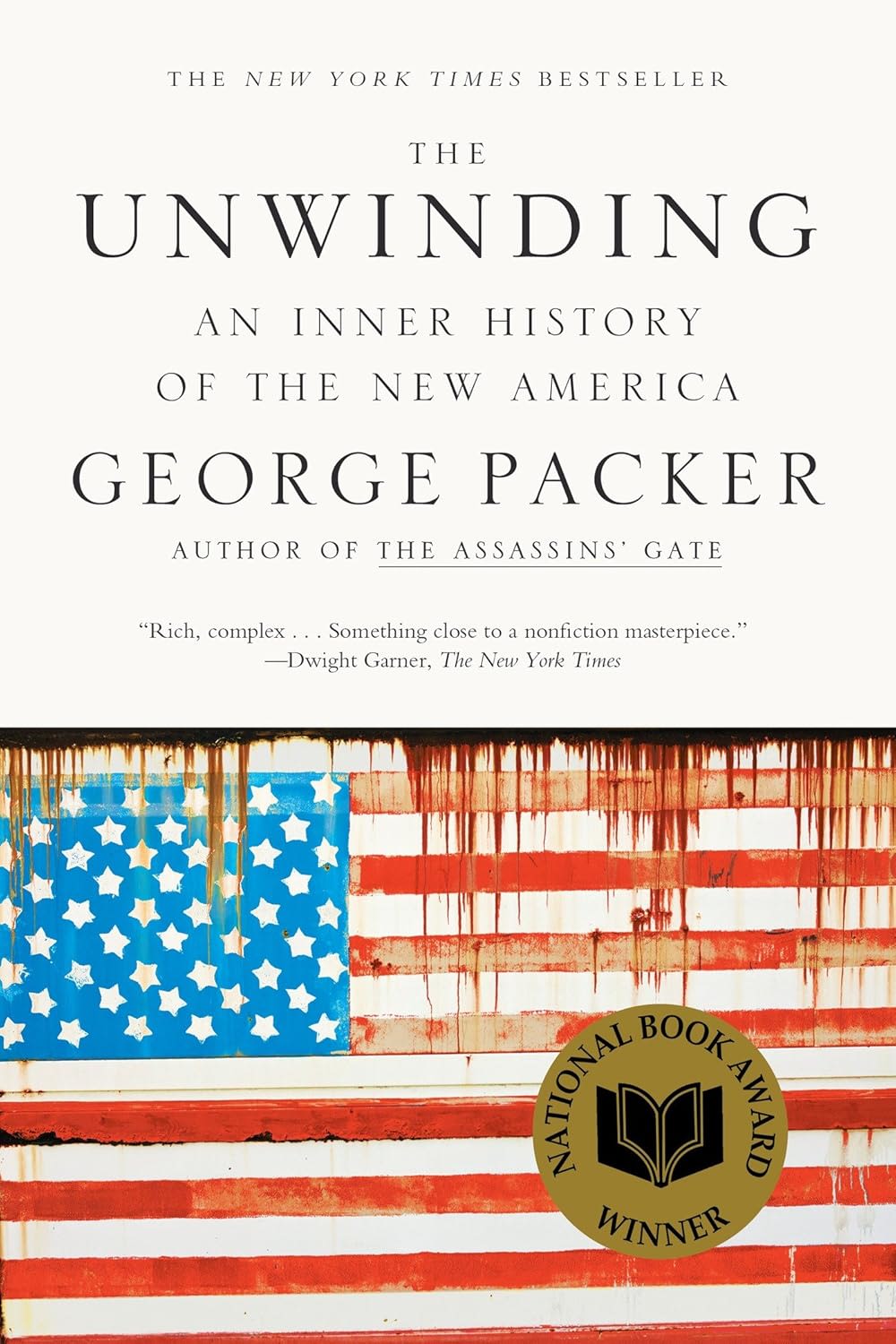
Set across an unraveling America, George Packer traces the lives of ordinary citizens navigating extraordinary change in Unwinding. His storytelling—equal parts reportage and moral inquiry—speaks to Volunteers who understand how systems falter and how individuals step up to rebuild them.
WHY PEACE CORPS WRITING STILL MATTERS
Peace Corps writing matters. It matters just as much today as it did when Sargent Shriver and his team defined the “third goal” of the new agency: To promote a better understanding of the peoples of other nations among Americans.
We are all ambassadors for the Peace Corps experience. Let's not be silent.

LETTER TO A FIRST-TIME PEACE CORPS WRITER
by John Coyne (Ethiopia, 1962-64)
No matter who you are, sitting down to a blank page to try and tell the story of your life can be daunting. But I’m here to reassure you that, as a Returned Peace Corps Volunteer, you have a great story to tell. The key question is where to start.
Jacques Barzun, an accomplished writer and historian who taught at Columbia University, wrote that to become a writer you have to convince yourself that you are working in clay, not marble on paper, not eternal bronze—so let that first sentence be as stupid as it wishes. Just put it down, then another. Your whole first paragraph or first page may have to be guillotined after your piece is finished, but there can be no second paragraph (which contains your true beginning) until you have a first.
From there, all you have to do is mine your own experiences. Begin your book with a compelling first impression of your life as a Volunteer—your first day overseas, your first egregious mistake and use that anecdote to slide into your story. Write about your daily experiences, the surprises you had, and what you know now that you didn’t know in those first days and weeks abroad. Be honest about your mistakes, the funny and embarrassing ones, the ones you learned from. Write about the help you gave to others, and the people you came to know and care about.
Whatever you do, remember to detail your emotions, your feelings, because this is what readers connect with. You are writing creative nonfiction, also known as literary nonfiction or narrative nonfiction, a genre of writing that uses literary styles and techniques to tell factually accurate narratives. Creative nonfiction is different from other nonfiction, such as academic or technical writing, or journalism, all of which are also rooted in accurate facts but are not written to entertain.
The goal is to make nonfiction stories read like fiction so that your readers are as enthralled by fact as they are by fantasy.
The word “creative” has been criticized in this context because some people maintain that being creative means pretending or exaggerating, or making up facts and embellishing details. This is completely incorrect. It is possible to be honest and straightforward and brilliant and creative at the same time.
“Creative” doesn’t mean inventing what didn’t happen, or reporting and describing what wasn’t there. It doesn’t mean that the writer has a license to lie. The cardinal rule is clear, and cannot be violated. This is the pledge the writer makes to the reader—the maxim we live by, the anchor of creative nonfiction: “You can’t make this stuff up!”
What you have to realize is that your story is the Peace Corps story. Generations from now, when historians ask, “What was Peace Corps?” they will turn to what you wrote in your book. As a Peace Corps Volunteer, you have a corner on American history. Tell your story so future generations will see how you, as a PCV, made a difference in the world.


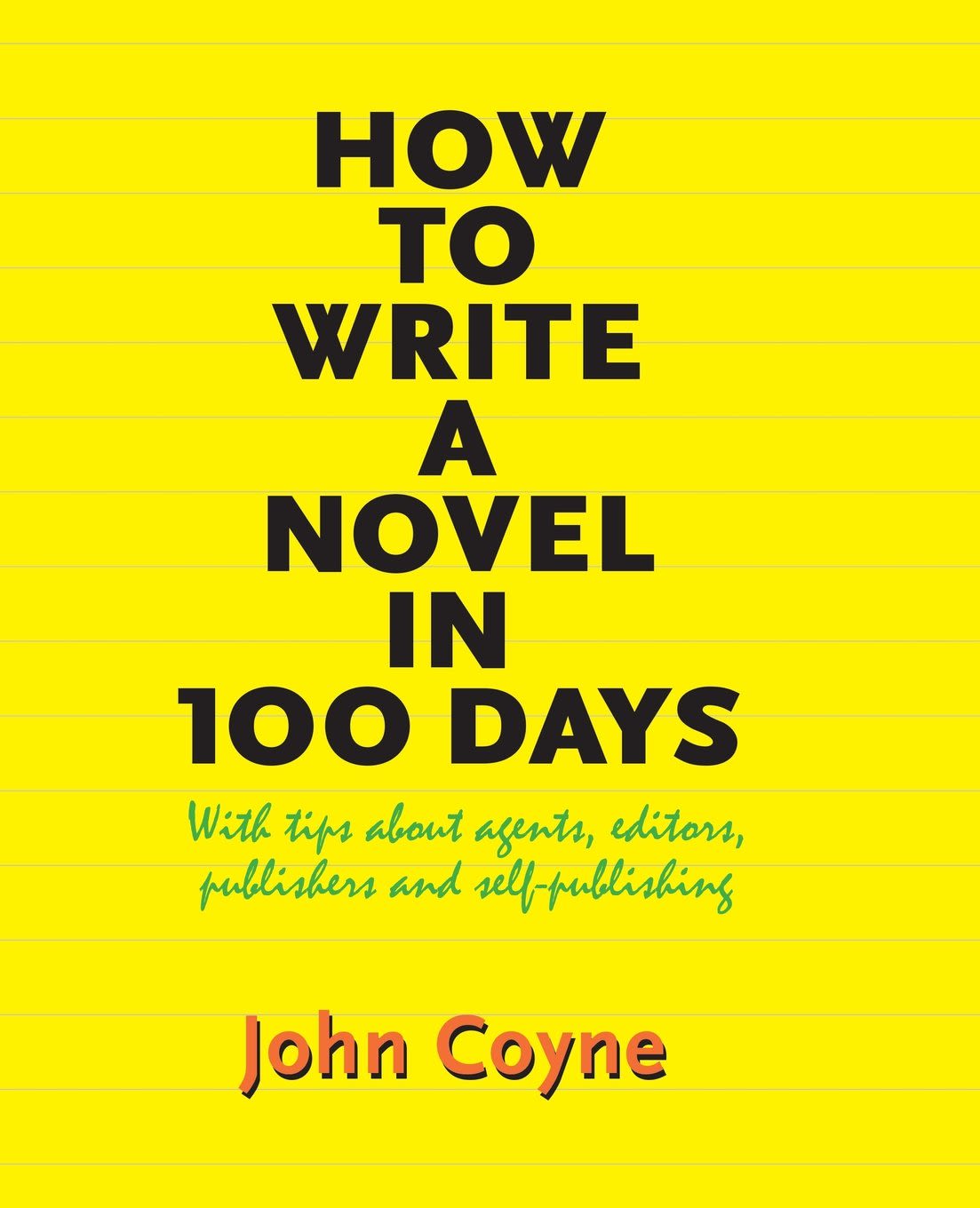
JOHN COYNE’S TIPS FOR NEW WRITERS
- Pick a time and place where you will write every day, and set a goal for how many words you’ll write. If you write four pages a day, 250 words a page, you’ll have produced a 240-page manuscript in 60 days. It may still need a lot of work, but you’ll have something meaningful to work with.
- Don’t wait until you “feel like writing.” Just write!
- Turn off distractions, such as emails and the evening news.
- Begin each day by rereading and editing what you wrote the day before.
- End every writing session in mid-sentence or mid-paragraph so you will have an easier time starting
to write the next day (an old Hemingway trick). - Finish a full draft of your manuscript before beginning to rewrite it.
- Remember that all writing is rewriting. Keep rewriting and editing.
- Create a storyline. You were one person when you arrived overseas; you were someone else when you
returned home after your Peace Corps service.


JASON CARTER
ON JOURNALING
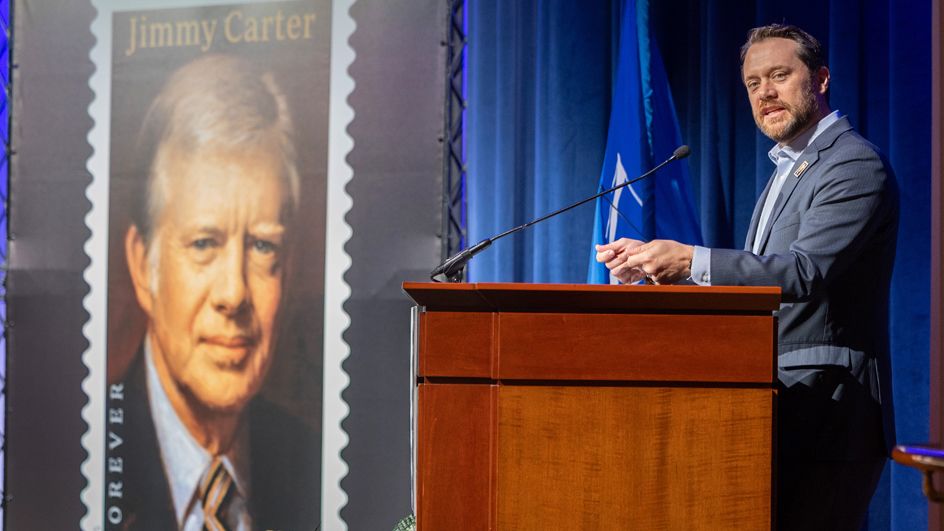
Jason Carter, RPCV South Africa and author of the book Power Lines, spoke with WorldView about the importance of journaling daily and how that helped him turn his experience as a Volunteer in South Africa into a bestselling book.

"Two of the pieces of advice that my grandfather gave me, he said, 'Number one, you should join the Peace Corps, and number two, you should keep a journal.' I don’t know if every Peace Corps Volunteer does that, certainly these days.
So I was writing a journal with a pen on blank sheets of paper in a leather-bound book. And every night scrambling to get my experiences down. I knew when I was doing it that there were some pieces of insight, not just about South Africa, but about the country that I had left, because of the similarities between the American South and South Africa at the time, sort of in the post-apartheid moment, in the same way that I had sort of missed the immediate aftermath of the civil rights movement in the American South.
At the end of the day, I’m so glad I wrote the book, but I’m even more glad that I have the journals. My journals are still some of my prized possessions. I think my biggest recommendation would be to keep posting whatever you’re going to post, but also to keep a private journal that is not for public consumption."
PATHWAYS TO PUBLICATION
With the continuing evolution of digital tools and the increasing power (and expectation) an author has to build their own audience around their work, there are more ways than ever to publish a piece of storytelling. To help understand the universe of options available to writers with a story to tell, and to demystify terms you hear thrown about in casual conversation about publishing, here’s a basic breakdown of how the industry works.
Traditional Publishing
With traditional publishing, the author does not pay to publish their book. The process often takes a long time (up to two years from submission to publication is not unusual), but does not require authors to shoulder the costs.


The Big Five
The most prestigious form of publishing is to get an agent and publish through one of the “Big Five” English-language publishing houses: Macmillan, Penguin Random House, Hachette, HarperCollins, and Simon & Schuster. These brands, and their numerous imprints (niche catalogs built around specific genres or topics), publish the vast majority of books in the U.S., ensuring shelf space at major retailers and the resources to build an early audience with robust marketing divisions.
Publishing with the Big Five requires representation by a literary agent, who will pitch the book to editors at those companies. When a book is accepted for publication, the writer gets a contract (an upfront payment “advance” against future royalties) and the agent gets a cut.


Smaller Presses
Beyond the Big Five, there are a number of small and independent presses, which include university presses, that pay authors to publish their books (or at least fully cover the costs of production). Like the imprints of the major publishing houses, smaller presses often focus on a particular genre or topic, or may, like university presses, primarily publish work from a certain community or geographical area. This category also includes digital- or audio-first publishers that focus on eBooks or audiobooks specifically.
Agents may also submit authors’ work to smaller presses alongside the larger ones, but many of these operations accept direct submissions as well. And while they may not offer the lucrative contracts that the Big Five do (sometimes it’s just royalties on any book sold), authors are not expected to cover any of the costs.
Hybrid and Self-Publishing
In hybrid and self-publishing, authors contribute some or all of the costs to publish their books. While some of these projects can find success, how much often rests on an author’s ability to build an audience for their work. And it’s exceedingly rare for even a successful self-published book to be picked up later by a major publisher, as most publishers insist on working only with projects that are new to the market.


Hybrid and Vanity Presses
One of the fastest-growing sectors of publishing is the hybrid press, a model where, for a flat fee (often in the thousands of dollars), an author gets access to professional editing, cover design, layout and typesetting, digital and possibly print distribution, and access to marketing and promotion teams who will secure media mentions and interviews to help publicize a project.
At the far end of the hybrid spectrum is the so-called “vanity press”, used to describe a publishing imprint that exists in name (and logo and website) but does not provide actual editing, design, publication or marketing services.


Self-Publishing
Thanks to Amazon, where any author can set up an author page and list their books for sale as either an e-book or a print-on-demand physical book by uploading a file, self-publishing is an attractive option for many writers. Most book sales happen on Amazon, so with good keywords and categorization, self-published books can find an audience.
While self-published books may have benefited from professional editing and design (paid for by the author out of pocket), it is up to the author to decide when a book is ready to publish.
PITCH PERFECT
A Step-by-step guide to getting your Peace Corps story in print
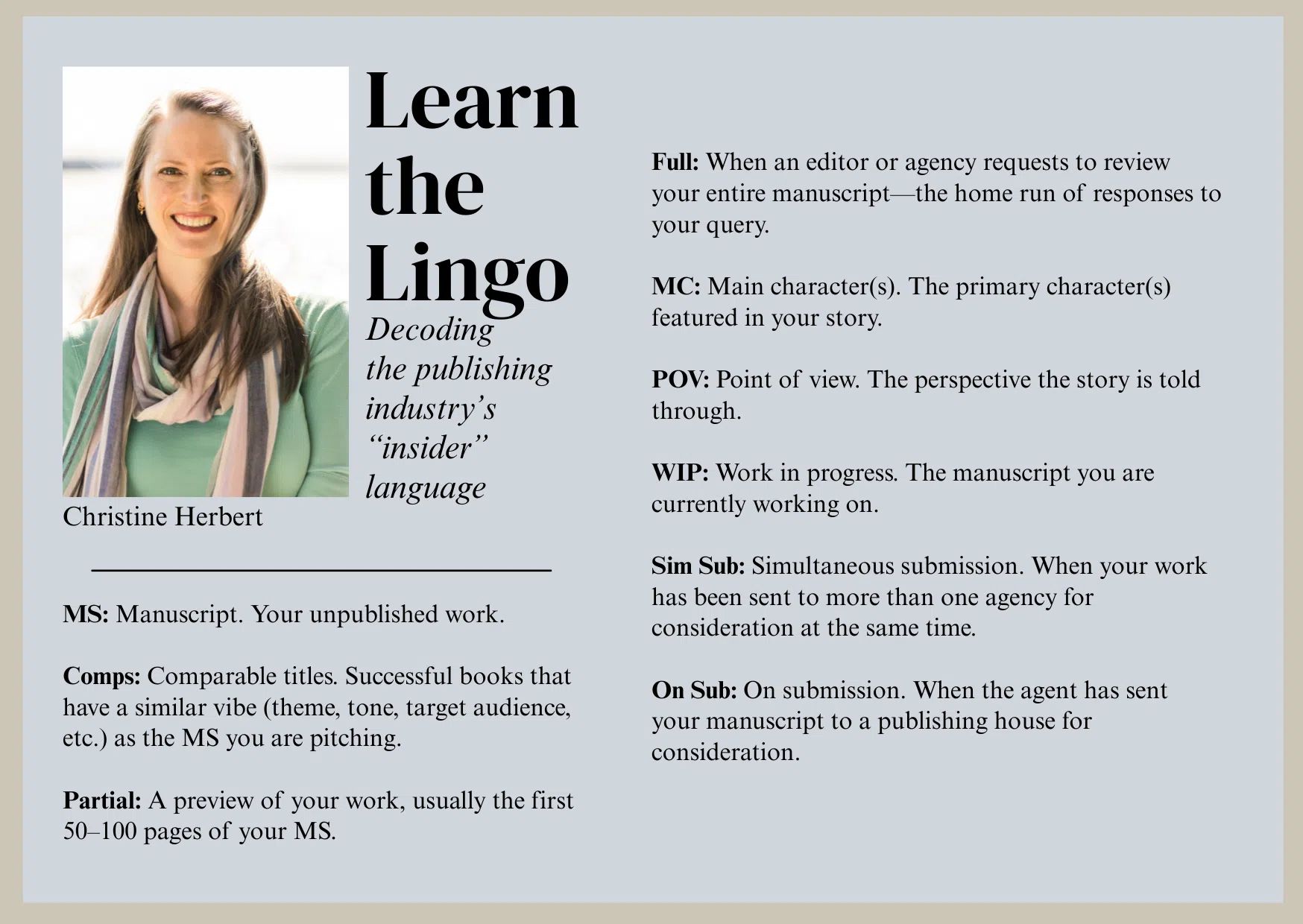
by Christine Herbert
While there are many ways to publish a book (see above), if you dream of seeing your book on the shelves of airport bookstores or featured on an endcap at Barnes & Noble, you’ll still need to land a deal with one of “The Big Five".
And that means you will need an industry professional—a literary agent—to present your book concept to a publisher. The publishing industry has gatekeepers; a literary agent is the key to getting in.
And those agents have their own rules in place to manage the incoming fire hose of query letters from writers looking to get published. You'll find these guidelines on an agency’s website; follow them precisely. If an agent likes your query letter, they will reach out to request your full manuscript. Never send an unsolicited manuscript, as emails with attachments will likely receive a generic rejection letter, sight unseen.
Step 1: The Query Letter
A query will generally include three parts: First, a summary of the logistics of the book, including its genre, word count, and comparable works.
The second part of the query letter, and the most important, is the pitch itself. In no more than 300 words, describe your story in the same voice your manuscript is written in. Focus on a good hook, not a plot summary.
Lastly, you’ll include a brief bio focusing on your experience in writing and publishing. Don’t mention your age or how long you’ve been writing, or how hard you’ve been trying to “break into publishing” – keep it to what you’ve actually done.
Step 2: Finding an Agent
While the quality of your query letter is critical, identifying the right agents to send it to is at least half the battle. If an internet search doesn’t bear fruit, consider visiting your local library or bookstore to look for recently published books similar to yours. Then check their acknowledgment sections: Any good agent will have their praises sung there.
Don’t pitch to more than one agent at the same agency, and if you are not getting any traction, consider attending a writers conference to make your pitch in person.
Step 3: Making Your Pitch
Practice an “elevator pitch,” no more than 30 seconds long, with a memorable hook that will help an agent or editor remember your project. Prepare a sit-down pitch as well, a one- to two-minute overview of your story concept that’s meant as a teaser. Aim to leave them wanting more.
Remember that you are selling yourself in addition to your book, so present yourself as you would for the photo on the back cover. Be prepared to explain what you bring to the table (social media or blog presence, connection to a newsletter, etc.). You want to give agents as many reasons as possible to say yes.





LEGENDARY DESIGNER
PETER MENDELSUND
ON THE ART OF THE BOOK COVER.
Writers often think of book covers as something that happens after the work is done — a decision made by publishers, marketers, or designers. But a cover is often the first interpretation of a story, shaping how readers approach the text before they read a single word. In this conversation, legendary designer Peter Mendelsund critiques book covers by Peace Corps authors, offering writers a rare look at how their stories are translated into visual language — and what that translation reveals about voice, theme, and intention.
The Village of Waiting
By George Packer | Togo 1982–83
Farrar, Straus and Giroux, 2001
- This is the only one that really looks commercial. Is it Farrar, Straus and Giroux? [Ed: It is.] It’s FSG, so it’s going for sophisticated literary nonfiction.
- This cover says “This is a New Yorker writer,” that it’s written by somebody of note.
- Type is nicely centered and stacked, which elevates it.
- The photo isn’t an obvious photo and it isn’t just slapped on there.
- It’s a sophisticated jacket.
Kosher Chinese
By Michael Levy | China 2005–07
Henry Holt, 2011
- This is a great idea. Just a fun concept. You can’t tell if it’s actually a real thing someone made or an illustration, but it’s fun.
- The pattern on top might be unnecessary, though. If I were doing it, I would focus on having the cover do one thing rather than two. You don’t need the stuff on top when you have such an evocative image.
River Town
By Peter Hessler | China 1996–98
Harper Perennial, 2006
- Compared with the Packer book, the type is so much larger, and there is mixed typography, which is more common in more commercial books. There are like seven different pieces of typography information. It’s busy.
- There’s something about putting more information on there that reads: “What we want to tell people is it’s a ripping yarn, it’s going to be very moving, it’s not going to tax you overly as a reader.”
- They’re aiming for a broader tent. “Big old bestseller” energy.
American Taboo
By Philip Weiss
Harper Perennial, 2004
- There’s a sophistication to this design in that they’re OK with negative space. It’s more confident with its product.
- Communicates “redaction”—something is covered up.
- Different from the other books, which are mostly memoirs.
Power Lines
By Jason Carter | South Africa 1998–2000
National Geographic, 2003
- This is a successful cover; it communicates a lot of things.
- The over-the-shoulder perspective is interesting. You’re getting both the author and the subject, which does well to represent the subjectivity of the person writing the book and what they are encountering.
- The bold typography shows they are really hoping to sell a lot of copies.
- “Introduction by” helps too, of course; they don’t put that on there unless it’s someone notable.
A Million Miles: My Peace Corps Journey
By Jody Olsen | Tunisia 1966–68
University of Utah Press, 2024
- This is a very pretty cover. It’s a purely decorative jacket—that piece of art is evocative. It gives you a vibe. It says there is a foreign quality to the subject matter without relying on showing a rice paddy or something.
- There’s also a personal aspect to it—it might even have been [the author] who did it. I like this one.
- It’s not clear what the genre is, but in a good way. It could even be a novel.
- The typography tells you it’s a more commercial approach, so, for example, if the author’s name were rendered in the same typeface as the title, that would elevate it. If it were FSG, the text would be rendered as handwriting.
RPCV BOOK REVIEWS

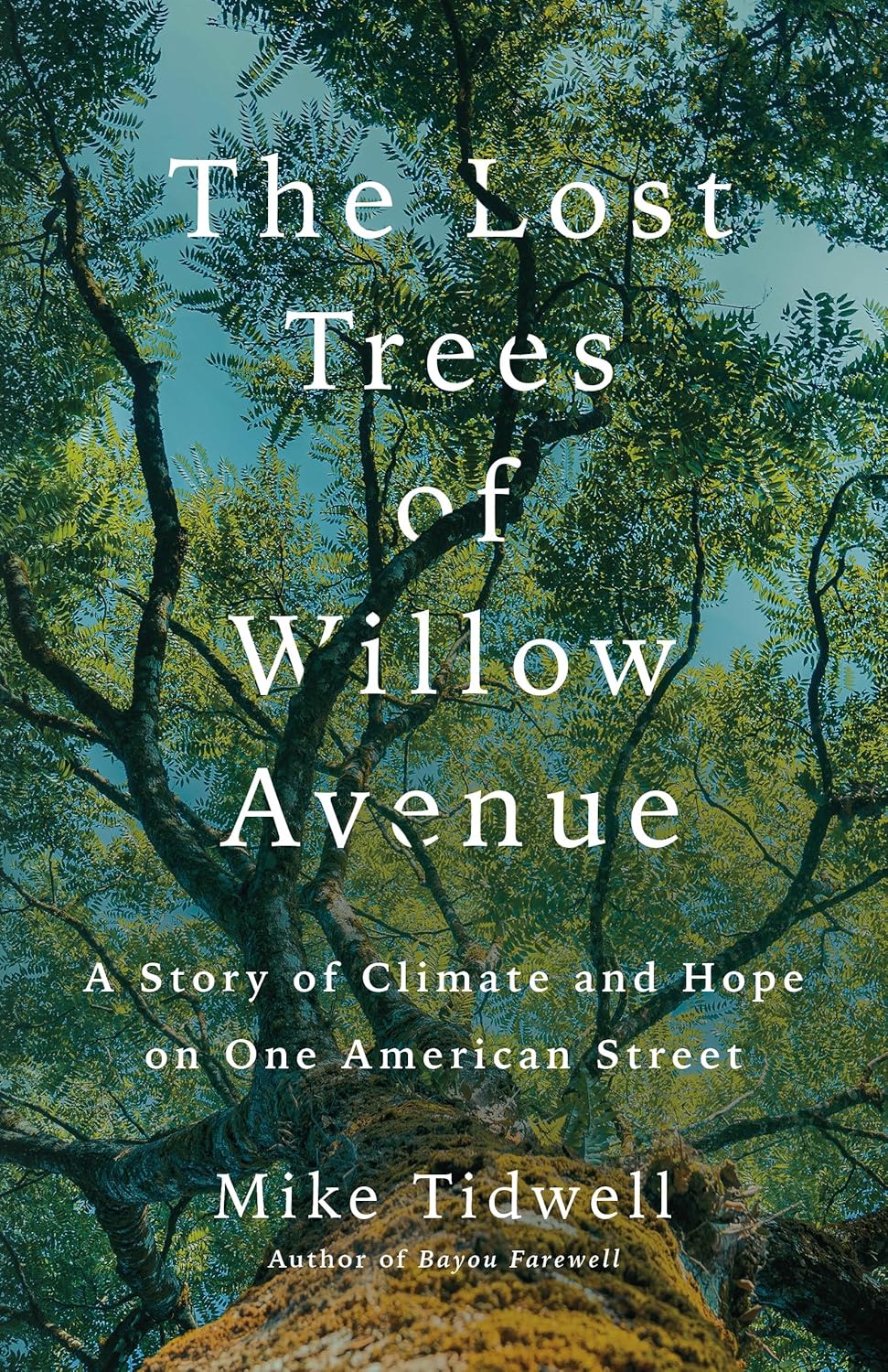
Reading The Lost Trees of Willow Avenue feels like strolling through your hometown with an affable neighbor, one filled with a deep respect for the natural world and a pragmatic concern for its demise.
Read the full review by
Ben East (Malawi 1996–98) >
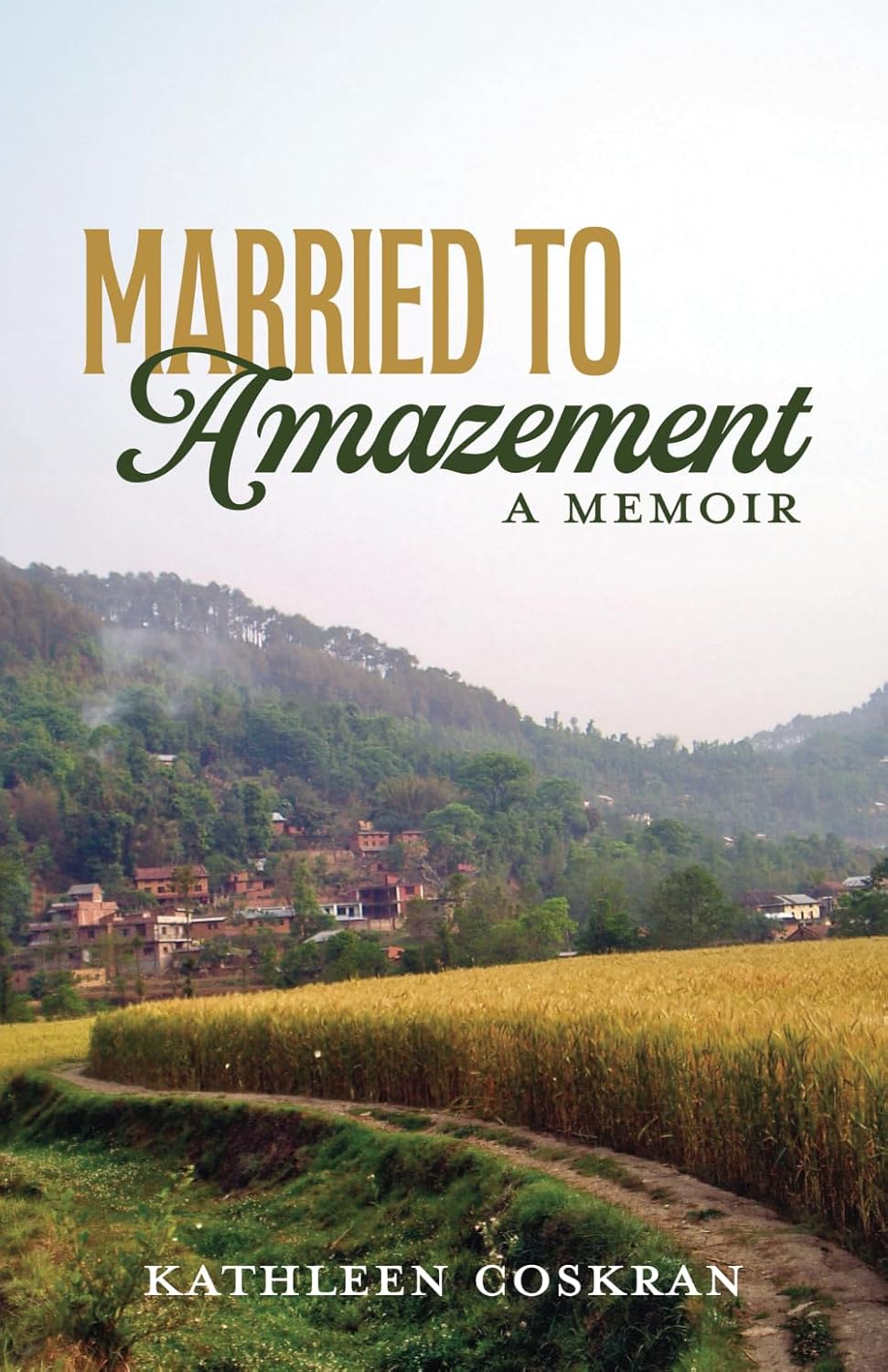
When Kathleen Coskran’s memoir kicks off by disclosing to her readers that she’s not just old, but old old (81 years), we can’t help but be drawn in by her humor and candor. She doesn’t claim to offer any pearls of wisdom, but instead offers up little snippets of wonder, glimpses of her extraordinary life experience. She offers us not pearls, but absolute gems.
Read the full review by
Christine Herbert (Zambia 2004–06) >

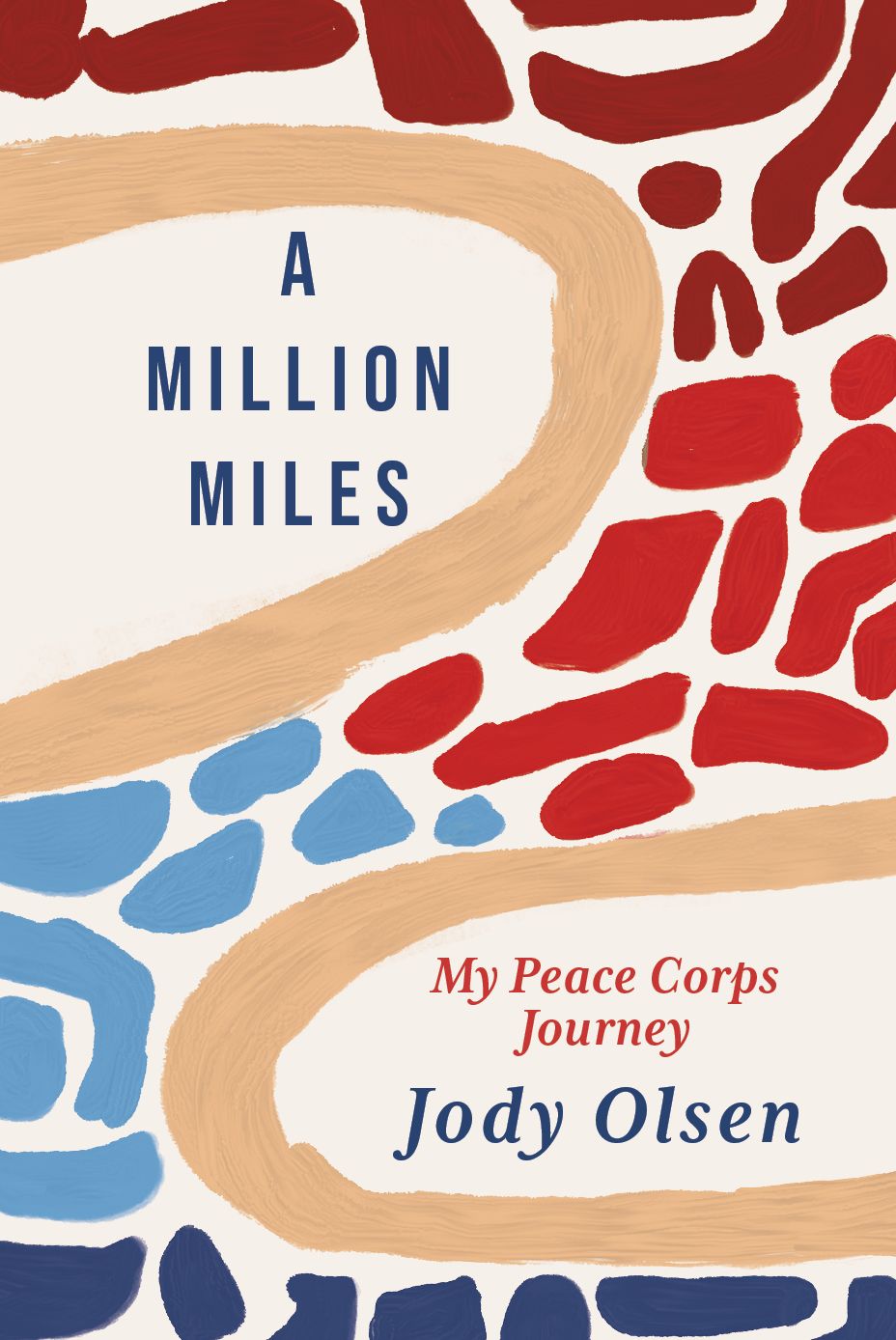
This enthralling memoir from a former Peace Corps director follows the life of a curious and dedicated public servant, starting with her abandonment at age three and taking us through the next 76 exciting, joyful, and sometimes painful years of her life. Thankfully for the Peace Corps community, much of Jody Olsen’s life has included the agency, and her candid recollections are fascinating to read.
Read the full review by
Evelyn LaTorre (Peru 19964–66) >

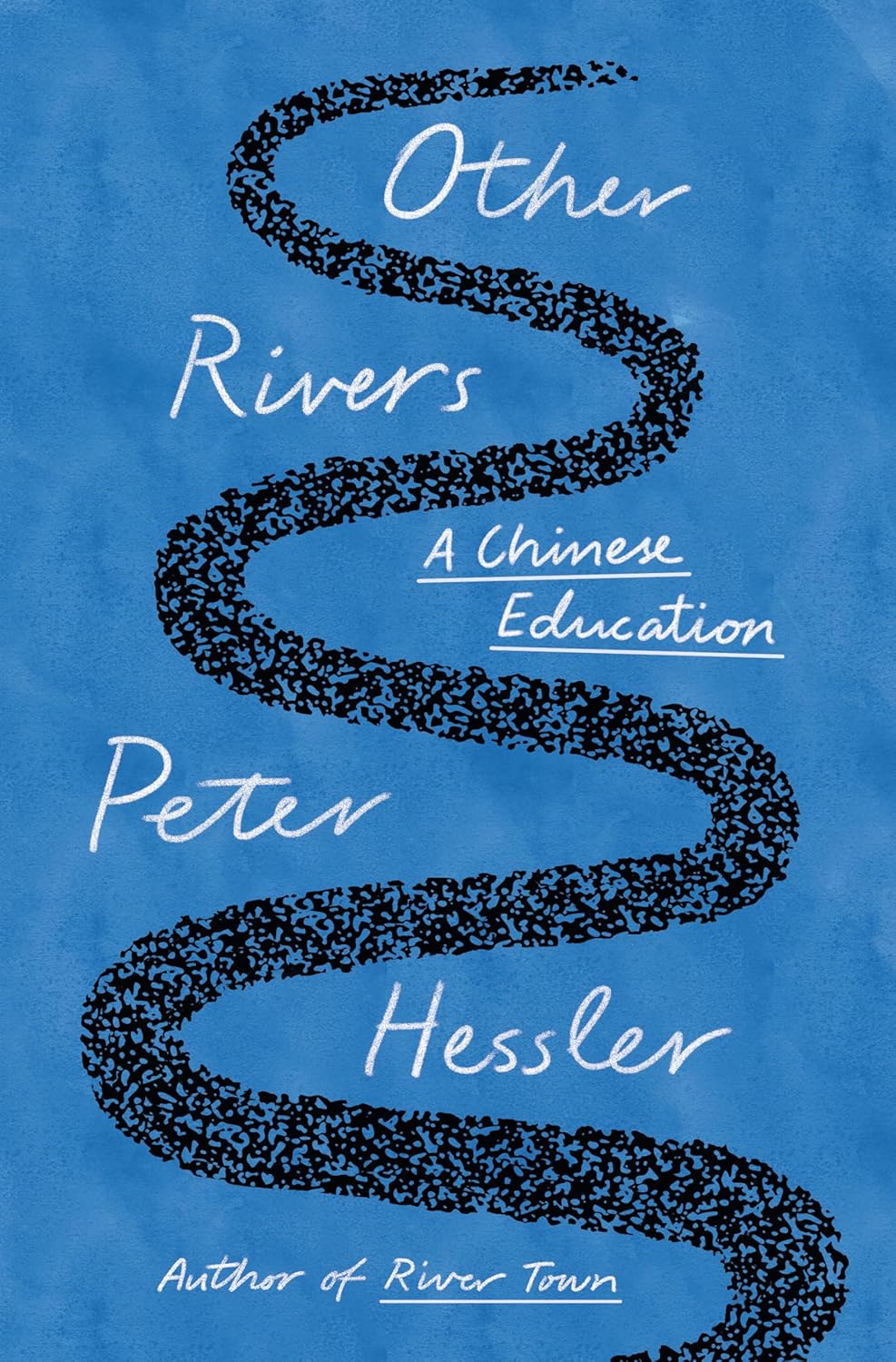
I have been an admirer of Peter Hessler’s work since reading his first book, River Town, about his Peace Corps service at a Chinese university in the 1990s. I was particularly drawn to that book because of my own Peace Corps work in a Korean university and professional ties to China. Hessler wrote eloquently about his Peace Corps experience in a way that I think any returned Volunteer could relate to.
Read the full review by
Clifford Garstang (Korea 1976–77) >
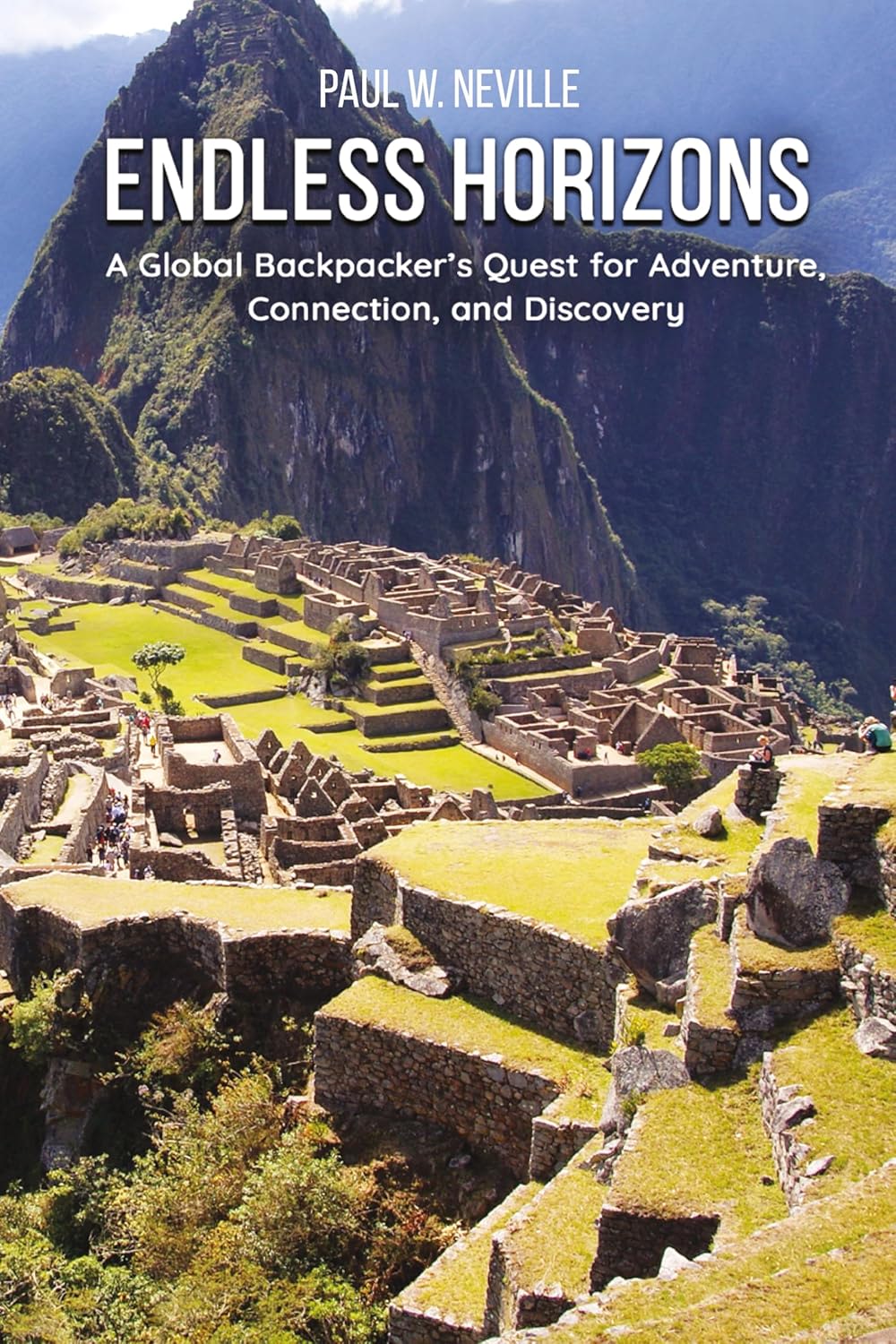
Paul Neville’s memoir of backpacking around Southeast Asia and South America more than fulfills the promise in his subtitle: A Global Backpacker’s Quest for Adventure, Connection, and Discovery. Readers will find this self-published effort a thoroughly professional product. Expect to enjoy an assiduously edited, excellently laid out, and beautifully written book.
Read the full review by
Lucinda Wingard (Nigeria 1966–68) >
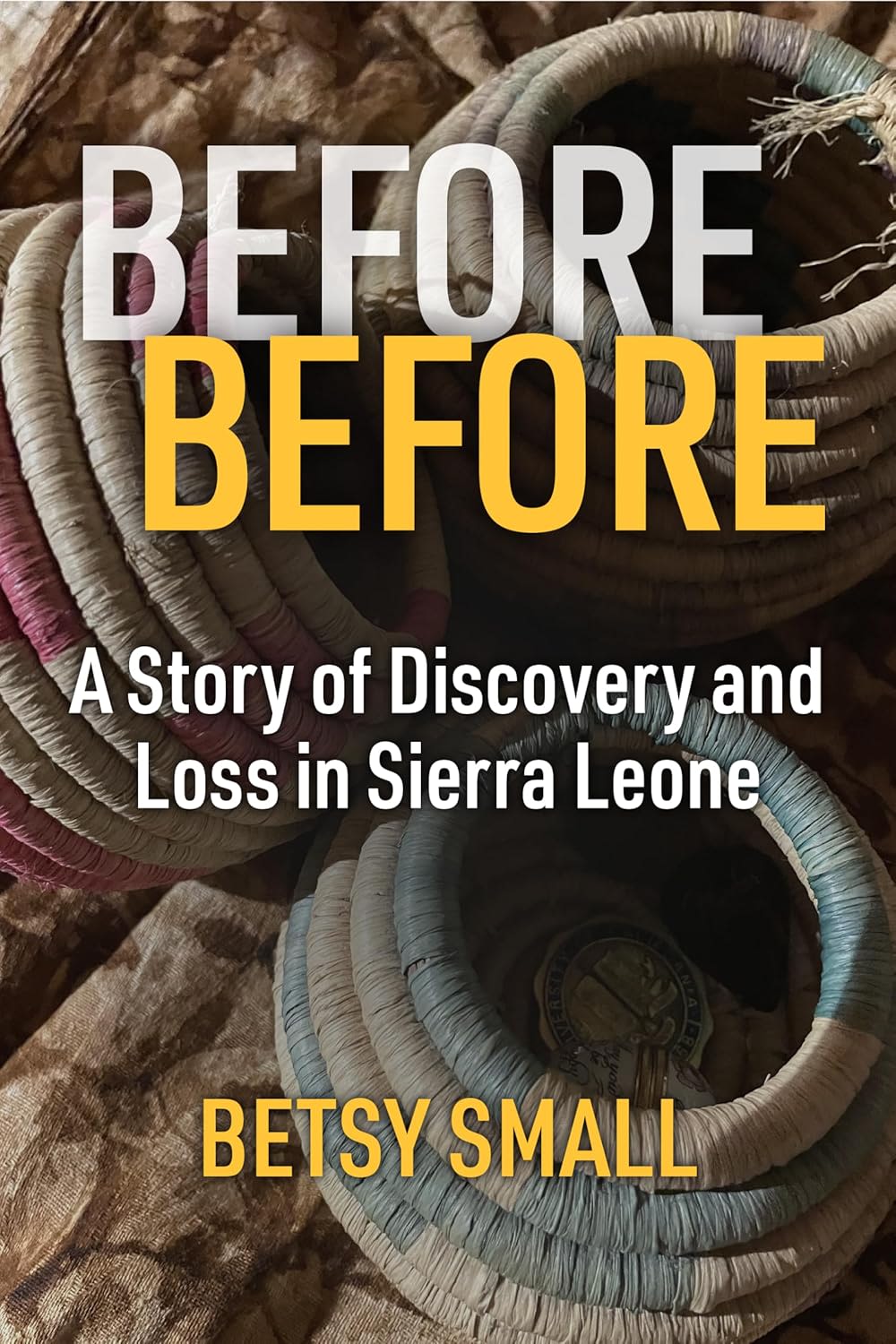
Betsy Small’s Before Before is a deeply personal and historically rich account of Sierra Leone, blending memoir and ethnography with emotional resonance. She draws from her Peace Corps service in the mid-1980s and a return visit in 2013 with her daughter to create a memoir that is more than a recollection—it is a meditation on cultural exchange, colonial legacy, and the fragile threads of memory that bind us across time and geography.
Read the full review by
Mark Walker (Guatemala 1971–73) >

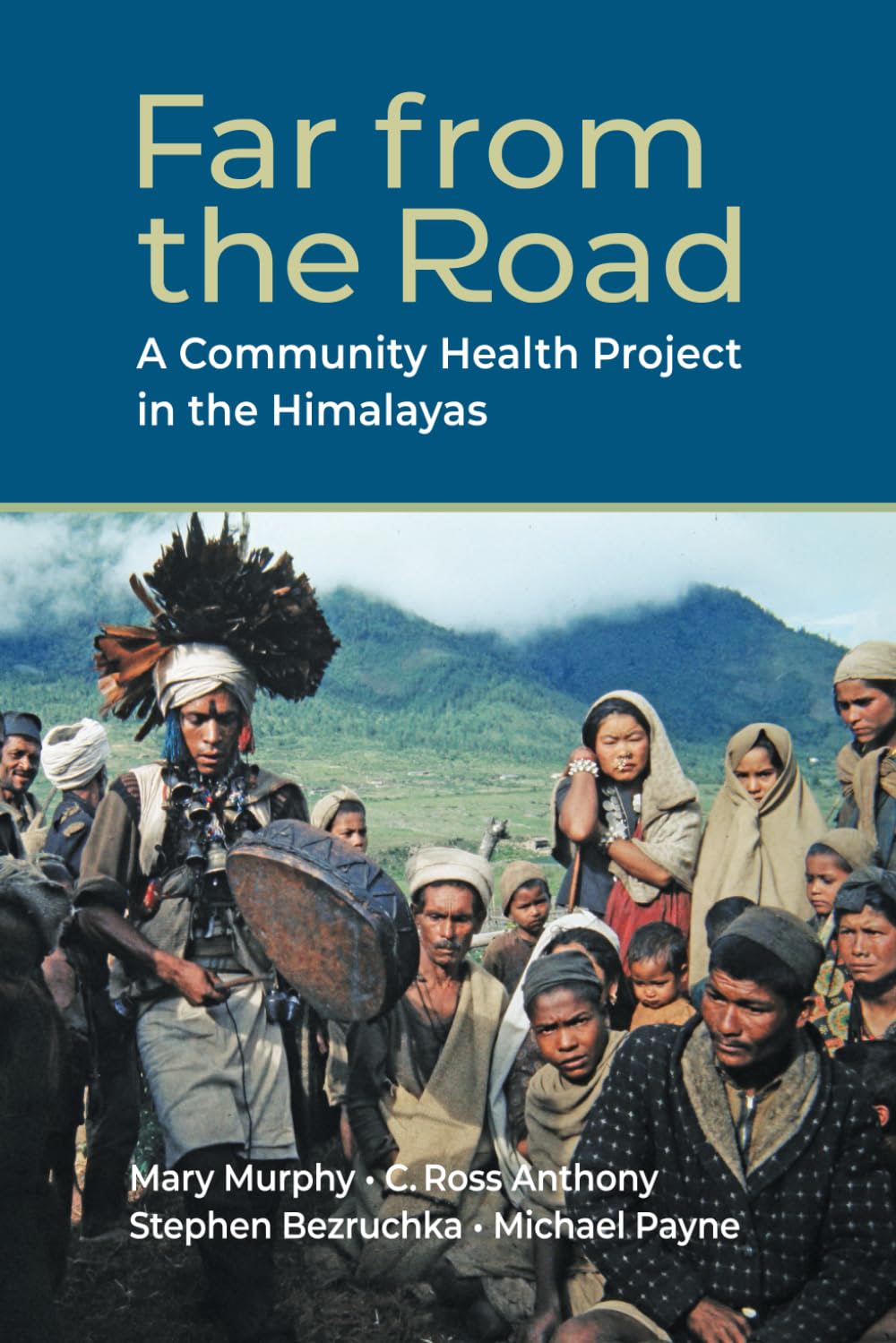
The inspiring and dramatic events in Far from the Road unfolded half a century ago in the verdant, idyllic valley of Dhorpatan, at 9,000 feet elevation in Nepal. Ross Anthony, from Oklahoma City, a returned agricultural Volunteer, conceived the project alongside Nepal’s first NGO, Paropakar. With passion and persistence, “Ross the Boss” cobbled together shoestring-level funding and signed up Mary Murphy, a community health educator from suburban Washington, D.C. They recruited Stephen Bezruchka, a Stanford Medical School grad from Toronto, and were later joined by Mike Payne, a water systems engineer from Cleveland, Ohio.
Read the full review by
Broughton Coburn (Nepal 1973–75) >

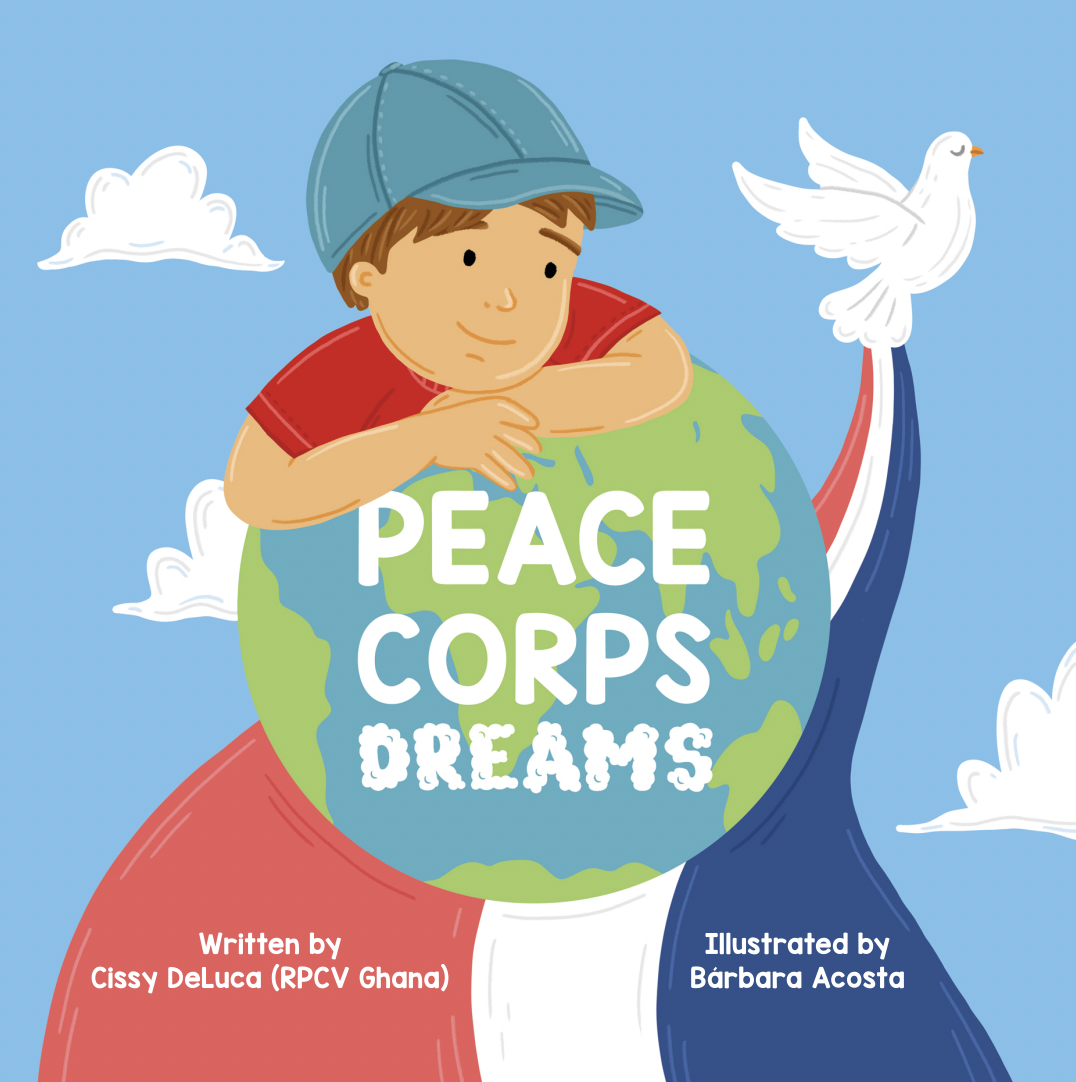
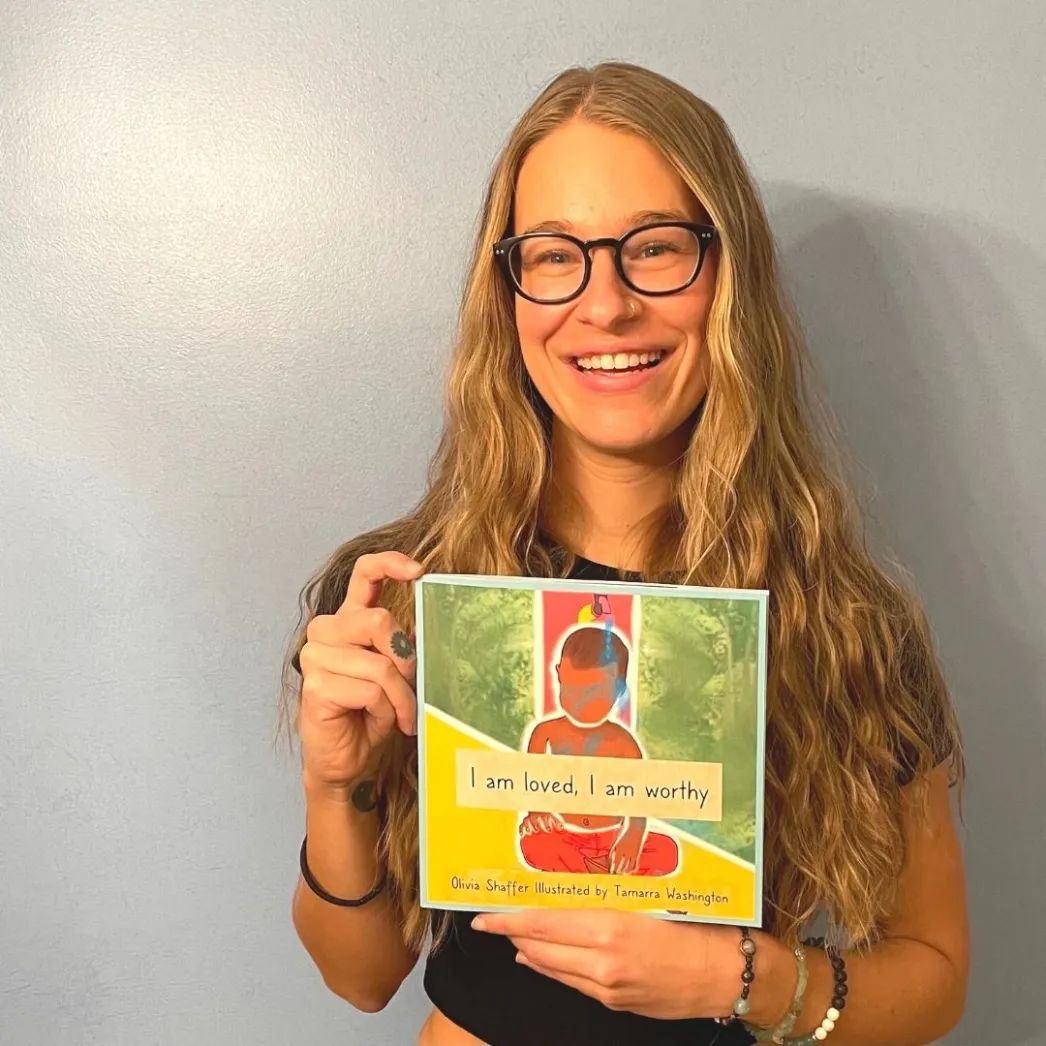
Imagine if young kids dreamed of serving in Peace Corps the way they dream of becoming doctors, firefighters, or teachers. This illustrated story follows a child imagining himself as a Volunteer—capturing the friendships, challenges, and joy of service.
Read from the author herself about her motivation to inspire the next generation.
Read More >
Credits:
Editor in Chief:
ROBERT NOLAN
Managing Editor:
GREG EMERSON
Assistant Editor:
AMY MILLER
The WorldView Guide to Book Publishing is produced by the National Peace Corps Association.
All rights reserved.
For more on RPCV books and authors, visit Peace Corps Worldwide.


 Built with Shorthand