

Meet the next generation of RPCVs reimagining American
leadership through service, spirit, and solutions.


Janina Acevedo-Yates
EQUITY IN EVERY LANGUAGE
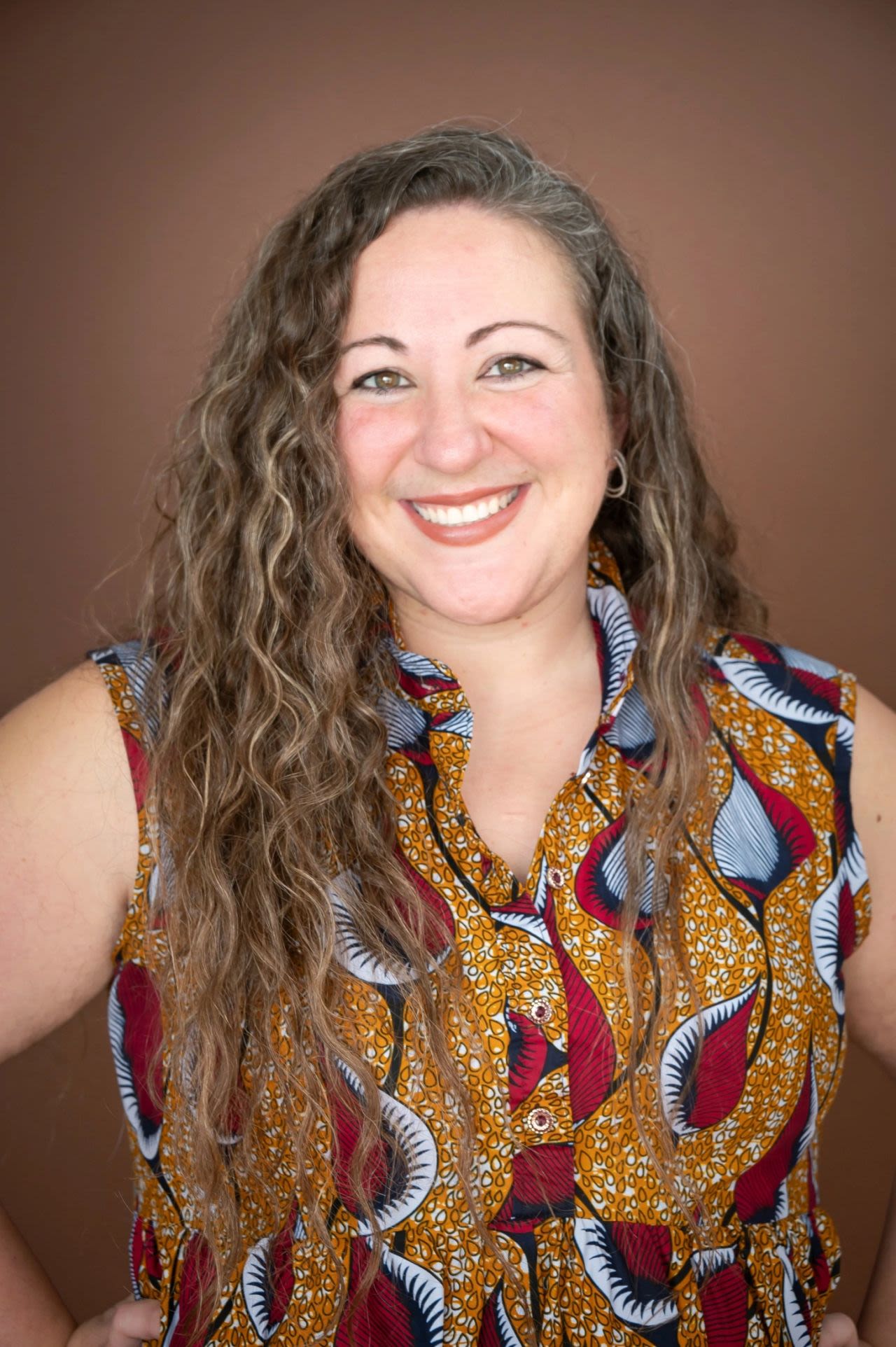
Janina Acevedo-Yates (Botswana & El Salvador 2012–15) is an imaginative global leader whose work in inclusive education has strengthened institutions, empowered communities, and inspired the next generation of changemakers. With over 15 years of experience designing leadership and learning programs for organizations like USAID, the U.N. and WHO, Janina has created inclusive, cross-cultural environments that promote equity, resilience, and behavior change. Her early work in southern Africa and Central America set the tone for a career rooted in social justice. Whether facilitating vocational training for at-risk youth, supporting public health outreach, or building gender equity into educational systems, Janina has consistently centered on community-driven impact. Stateside, Janina continues her advocacy by supporting immigrant and refugee communities in Colorado, providing bilingual mentorship and resources through the Rocky Mountain Welcome Center. A Coverdell Fellow and Next Generation Leader with the McCain Institute, she also contributes thought leadership through conference presentations and DEIA consulting, reinforcing her commitment to inclusive, high-performing cultures.
Abra Sitler
SERVICE THROUGH SCIENCE
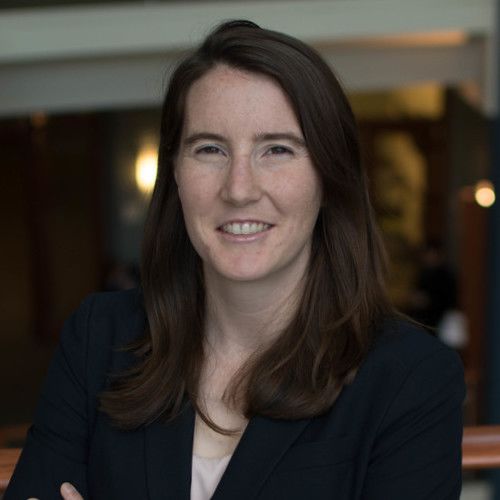
Abra Sitler has built a career that merges science, service, and strategic leadership. as Volunteer in (Azerbaijan and Georgia 2013–15), she taught English and promoted cultural exchange, later coordinating medical relief missions to Syrian refugee camps with the Syrian American Medical Society. Her global service laid a strong foundation for a career devoted to health equity and innovation. Professionally, Abra has held multiple leadership roles at Bristol-Myers Squibb, including in cell therapy manufacturing, strategy, and global product development. She also authored Seeing the Biopharma Future, a book written during her MBA at Georgetown that makes complex pharmaceutical topics accessible to patients and the public, with proceeds supporting COVID-19 vaccine research at Johns Hopkins. Abra continues to give back to the Peace Corps community, having served as Co-President of SEAPAX and Communications Director of RPCV/W. Through her work, she brings humanity to science, bridges global and local action, and helps ensure that cutting-edge healthcare reaches those who need it most.
Marikaa Stephenson
COMMUNITY AND OPERATIONS
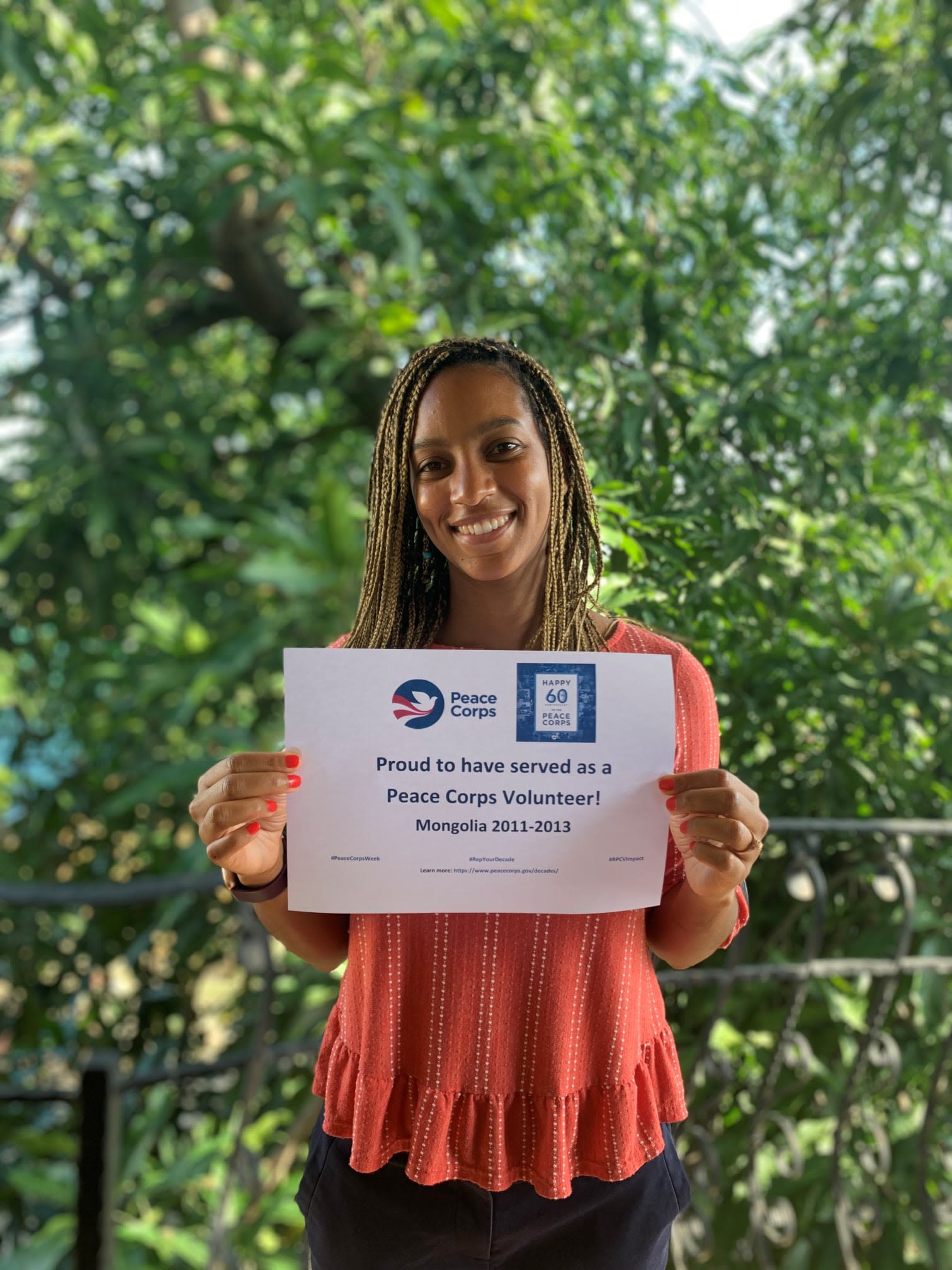
Marikaa Stephenson’s journey is a masterclass in purposeful movement, from the classrooms of (Mongolia 2011–13) to the mission hubs of the Caribbean, she’s not just shaping systems; she’s nurturing communities. A proud Spelman graduate with a Yale degree in Global Affairs, Marikaa blends brilliance with boldness, proving that operations can be just as heart-driven as they are high-functioning.Her first taste of service came in the windswept hills of Bagakhangai, Mongolia, where she taught English, launched the first English Language Learning Center, and co-led youth wellness camps with World Vision. That experience wasn’t just transformative for the students, it planted in Marikaa a commitment to community-first leadership that has defined every role since. As Director of Management and Operations for Peace Corps in Timor-Leste and now across the Eastern Caribbean, Marikaa handles everything from budgeting and human resources to volunteer safety and emergency response. It's a role that demands both systems thinking and soulful leadership, skills she honed during her years managing high-performing charter schools in New Jersey. There, she didn't just lead teams; she helped build school cultures where excellence could thrive.Ask anyone who’s worked with her, and they’ll tell you: Marikaa brings structure, but also heart. She creates calm in crisis, sees the people behind every process, and brings humor and warmth into even the most complex operations. Whether mentoring colleagues or designing systems that keep Peace Corps volunteers safe and supported, her work is always grounded in justice, care, and cultural humility.Marikaa’s leadership reminds us that behind every strong institution are people like her; visionary, grounded, and endlessly generous. She’s proof that management, when done with love, can be a radical act of service.
Nicole Banister
CONNECTION ACROSS THE GLOBE
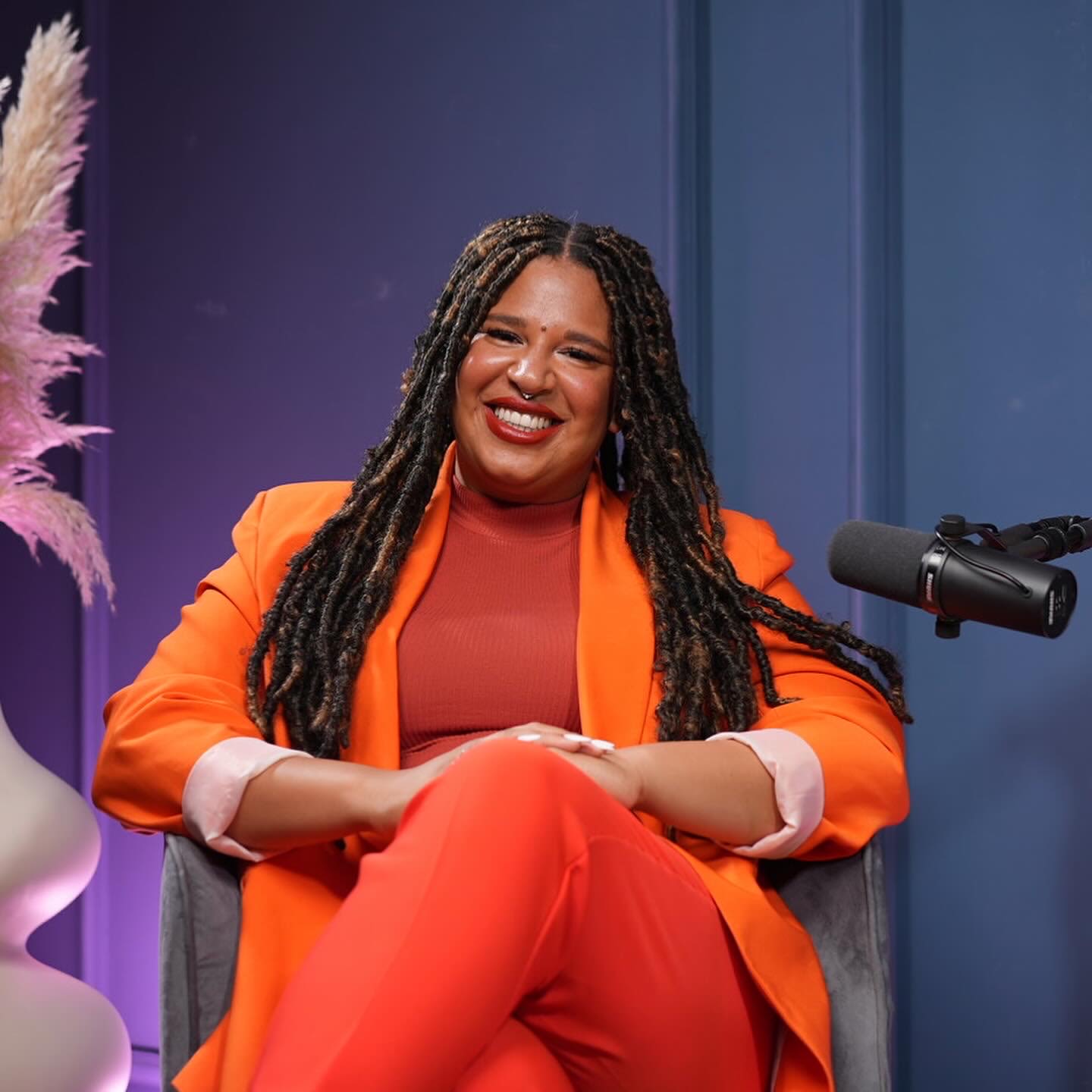
Nicole Banister (South Africa 2013–15) is an award-winning global host, dynamic Peace Corps alumna, and media changemaker whose career has made the world stronger, safer, and more connected. Through her two hit shows NIKKI BANZ LIVE and Start It Up, she has spotlighted 100 global leaders across 40 countries and reached more than 16 million viewers. Whether moderating in-person panels in 28 countries or engaging 25,000+ people in virtual classrooms and summits, Nicole brings people together across cultures, sectors, and borders. Her work is rooted in sustainable development, cross-cultural exchange, and communications for impact. As a Peace Corps Volunteer in South Africa from 2013–2016 Nicole extended her service to provide technical training for 870 fellow Volunteers and local partners across six African countries through Peace Corps’ partnership with Grassroot Soccer. Her commitment led to her receiving the Peace Corps’ prestigious Franklin H. Williams Emerging Leader Award and a role as the youngest-ever board member of the Museum of the Peace Corps Experience. Nicole’s enduring impact on the Peace Corps community is unmatched. Her brainchild, Project Pitch, empowered currently serving PCVs and their South African community counterparts to co-develop site-based initiatives and win direct funding, a wildly successful initiative that blended innovation, sustainability, and cultural respect. Nicole doesn’t just talk about inclusion, she lives it, integrating local voices into every project she touches. Whether she's facilitating global conversations or mentoring future leaders as a State Department CEE Mentor and UNAOC Fellow, Nicole models what bold, joyful, cross-cultural service looks like in action. She is a magnetic force for global good, and an inspiration to the Peace Corps family and beyond.
Troy Blackwell
TRAILBLAZER, DIPLOMAT, COMMUNITY

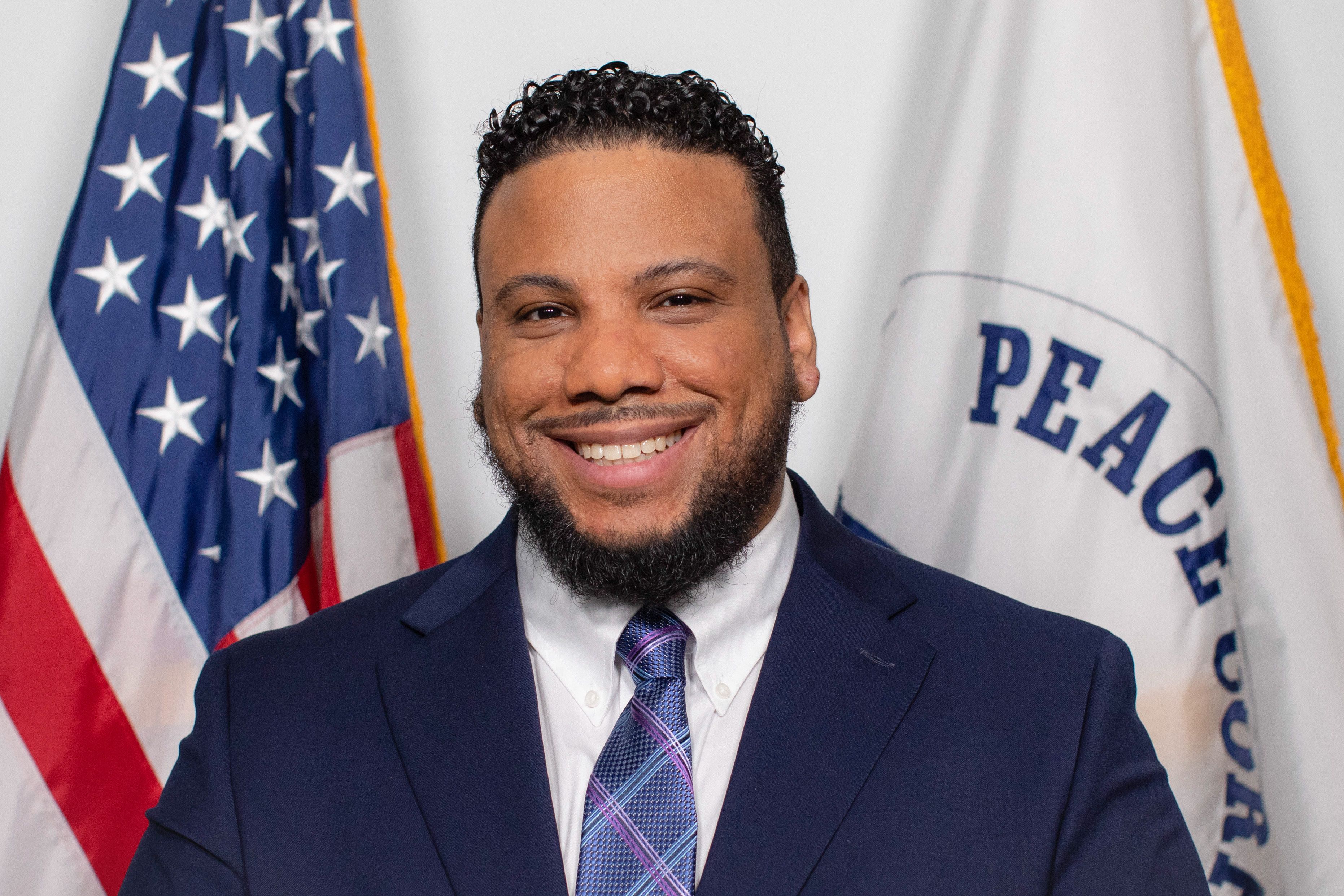
Troy Blackwell (Peace Corps HQ 2022–24) is a powerhouse in public affairs and global storytelling whose work has directly strengthened America’s diplomatic presence and uplifted the Peace Corps community on a global stage. As Director of the Office of Press Relations and the agency’s Global Spokesperson, Troy steered communications across 64 countries, helping shape the public narrative for some of the Peace Corps’ most pivotal milestones in recent history.He led the media strategy for the agency’s global post-COVID return, the arrival of Volunteers in Vietnam, the expansion into the Pacific, and the announcement of its climate initiative at Global Citizen NYC. He served as the agency liaison for both PEPFAR and the U.S.-Africa Leaders Summit, and helped negotiate and announce high-profile MOUs with governments including Korea and Belize. Troy’s signature achievement: the ‘Bold Invitation’ campaign, reached over 1 billion people and secured $10 million in donated media, making it one of the Peace Corps’ most visible and successful outreach campaigns to date. Under his leadership, the agency not only reintroduced itself to the world, it did so with purpose, pride, and unmatched clarity. Beyond the Peace Corps, Troy brought this same precision to the U.S. Department of Commerce as Deputy Chief Communications Officer, leading external affairs at the USPTO, one of the world’s most consequential innovation hubs. As a board member for Out in National Security and Google’s Changemakers Advisory Council, Troy champions equity, inclusion, and the power of visibility. His trailblazing presence as the first openly LGBTQ person on record to hold his Peace Corps role, continues to open doors for the next generation of public servants.Troy Blackwell redefines what it means to represent a mission. His work makes both our country and our global partnerships stronger, more connected, and deeply inspired.
Andrea Crider
EMPOWERING THROUGH JUSTICE

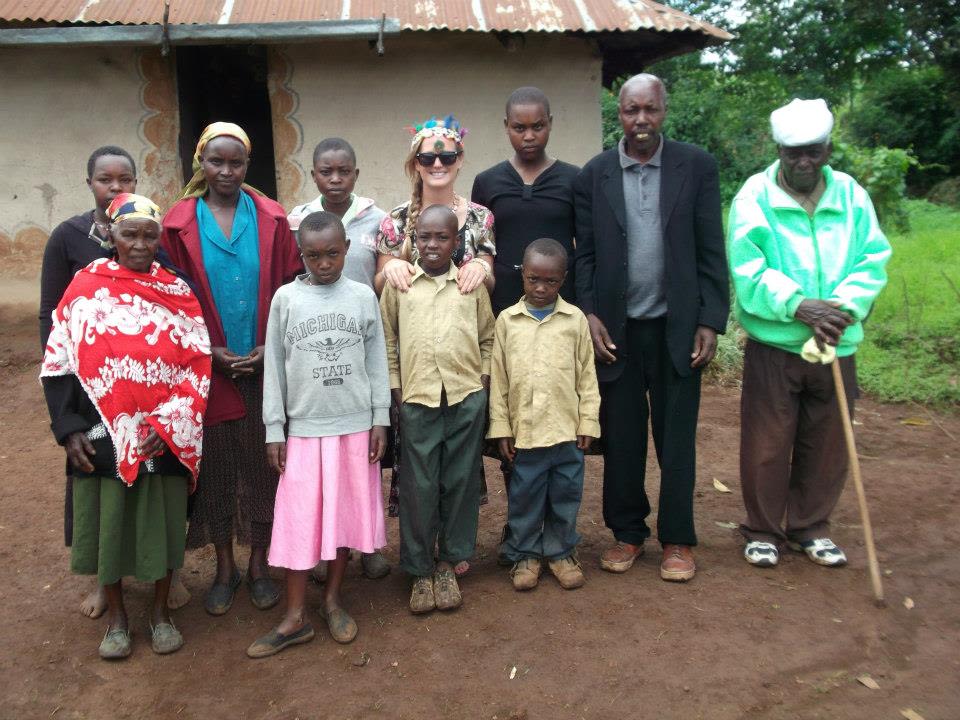
Andrea Crider (Kenya 2011–13) is a tireless advocate for justice whose career has directly strengthened communities, safeguarded rights, and uplifted marginalized voices. As a Senior Staff Attorney and Lecturer at UC Berkeley’s Criminal Law & Justice Center, Andrea plays a pivotal role in post-conviction relief, reviewing cases under Penal Code 1172.1 and recommending resentencing to correct systemic inequities. She also mentors law students, guiding the next generation of changemakers in the legal profession. Her commitment to public defense is deep and diverse, spanning felony, mental health, and reentry units. She has represented nearly 200 clients facing mental health challenges and has provided holistic legal services to formerly incarcerated individuals, helping remove barriers to reintegration. At Bay Area Legal Aid, her advocacy extended beyond the courtroom into policy reform, community training, and direct public engagement. Andrea's commitment to human dignity and justice began during her Peace Corps service in Kenya, where she collaborated with local leaders to build a maternity ward, improving maternal healthcare access and outcomes. Her global mindset continued through work with the Iraqi Refugee Assistance Project and has informed her lifelong approach to advocacy. In the Peace Corps community, Andrea continues to lead with dedication. As a Board Director with the Northern California Peace Corps Association, she’s helped fund small grants for current Volunteers, supported refugee resettlement efforts, preserved Peace Corps memorials, and advocated for legislation to secure in-state tuition for RPCVs at California public universities. Her work exemplifies a full-circle commitment to the Peace Corps mission, local impact with a global vision. Andrea’s career is a model of what it means to pursue justice through both systemic reform and personal engagement. Her efforts make the country and the world stronger by protecting rights, expanding opportunity, and empowering others to navigate and transform the systems around them.
Jessica Alcantara
LAW, EQUITY, EDUCATION
Jessica Alcantara (Azerbaijan and Georgia 2009–11) has built her career at the intersection of law, equity, and education justice, making the country fairer, stronger, and more compassionate for students of color and historically oppressed communities. As a staff attorney at the Advancement Project National Office, she works at the frontlines of the education civil rights movement, fighting to ensure that Black and Latino students receive the same quality, well-resourced public education long afforded to wealthier, whiter communities.A Skadden Fellow and Columbia Law graduate, Jessica’s legal advocacy is rooted in lived experience and a lifelong commitment to social change. Her work with the Journey for Justice Alliance addresses systemic inequality in school funding and combats the mass closure of public schools in underserved neighborhoods. From litigation to community empowerment, her efforts uplift families who have long been silenced by educational apartheid. Jessica's global perspective on justice began during her Peace Corps service in Azerbaijan, where she worked as a youth development Volunteer. There, a local attorney inspired her to pursue law as a tool to support vulnerable populations, an influence she carried from Zaqatala to Columbia Law and onward into her legal career. Her passion for education also took her to South Africa, where she contributed to a case on inadequate learning conditions in rural schools.Throughout her journey, from Prep for Prep scholar to Andover and Dartmouth graduate, Jessica has remained anchored in mentorship, community, and the belief that every child deserves access to a dignified education. Her recognition as the inaugural recipient of the Kate Raftery Emerging Leader Award speaks to her profound impact within the Peace Corps community and beyond. Jessica’s work is about changing policy, but more than that, it’s about transforming lives, one school, one child, and one community at a time.
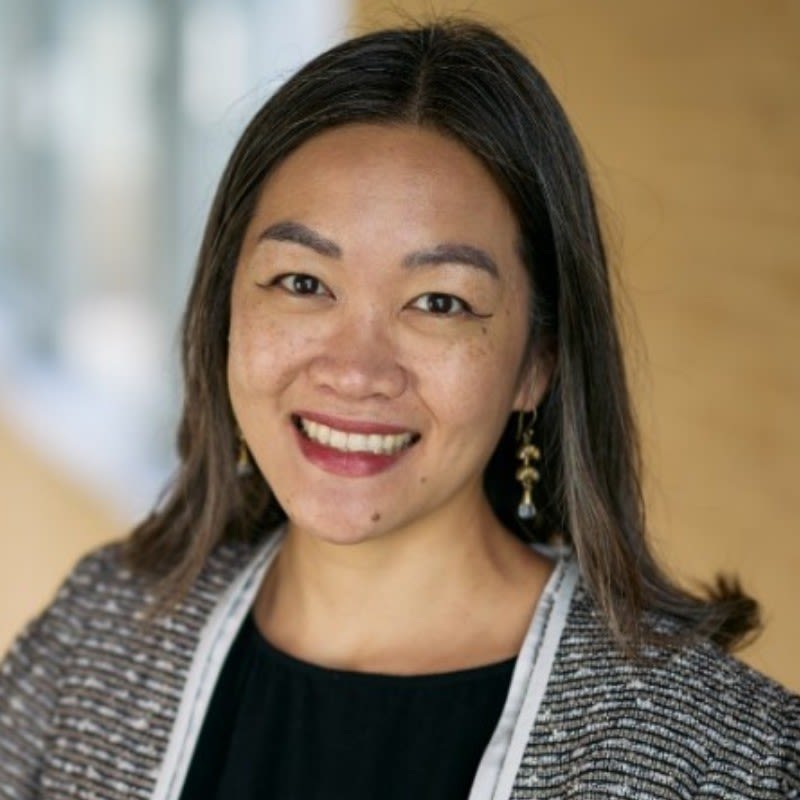
Rebecca Sharp
OPPORTUNITY THROUGH DATA
Rebecca Gong Sharp (Kazakhstan 2009-11) has made the world measurably stronger and more equitable through her visionary leadership in global development. As CEO of IDinsight, she leads a team driving data-informed decision-making across governments, NGOs, and philanthropic institutions, ensuring that resources are used effectively to improve lives in low and middle-income countries. Under her guidance, the non-profit organization delivers high-impact research and AI advisory work that enhances education, health, livelihoods, and other poverty alleviation programs worldwide. During her 2022-24 tenure as Peace Corps Regional Director of Europe, Mediterranean, and Asia, she oversaw operations in 19 countries, strengthening cross-cultural partnerships, building institutional capacity, and advancing the Peace Corps’ mission in a complex global landscape post-COVID. As a member of the Board of Directors for IREX and Board of Advisors for Instiglio, Becca supports innovative approaches to inclusive governance, education access, and results-based financing, redefining how global development is practiced. These roles reflect her deep understanding of how policy, data, and grassroots experience must intersect to achieve systemic change.
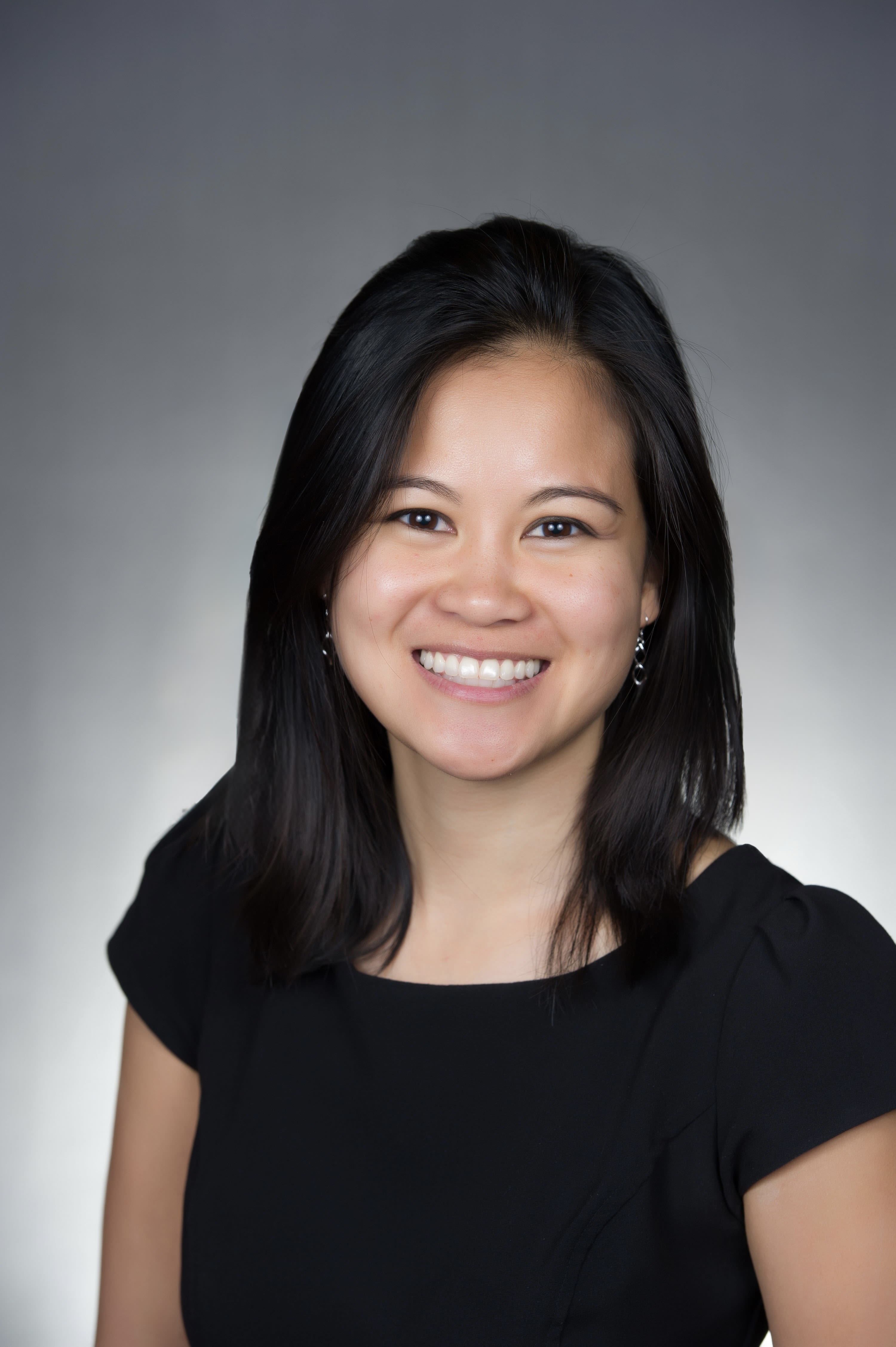
Krystina Nguyen
COMMUNITY AND OPERATIONS
Krystina Nguyen (Cameroon 2010–12) has built a career defined by service, advocacy, and impact, strengthening communities from Cameroon to California. As a Small Business Advisor in Peace Corps Cameroon, she helped establish 14 micro-credit cooperatives for entrepreneurs without formal education, launched a community market serving 8,000 residents, and supported school reentry for teenage girls through scholarships and income-generating activities. These early efforts embody her lifelong commitment to economic empowerment and gender equity. Professionally, Krystina’s career has spanned mission-driven startups, nonprofits, and public service. At Oxfam America, she helped lead a $22 million portfolio supporting gender equity and humanitarian work across West Africa. As a marketing executive, she has led global teams across industries, from fintech to healthcare, developing campaigns that expand access to critical services. During the pandemic, she launched remote ultrasound education initiatives and COVID-19 training resources to support frontline healthcare providers. Krystina’s influence extends well beyond her professional titles. As a writer, she has used platforms like The Huffington Post and Oxfam America to elevate urgent issues affecting marginalized communities. As a community leader, she serves as a Human Services Commissioner for the City of Santa Monica, advising on services for low-income and at-risk populations. She also volunteers as a Red Cross Blood Donor Ambassador and canvasses for public health and civic engagement efforts. Within the Peace Corps community, Krystina has had a lasting impact through her leadership with the RPCVs of Los Angeles, where she helped raise over $35,000 for the Jean M. Yamanaka Peace Corps Memorial Fund, supporting grassroots projects around the world.Whether guiding city policy, mentoring young professionals, or launching global health campaigns, Krystina builds safer, more inclusive, and more prosperous communities. She embodies the ethos of service in both word and deed, and her leadership continues to ripple across borders and generations.
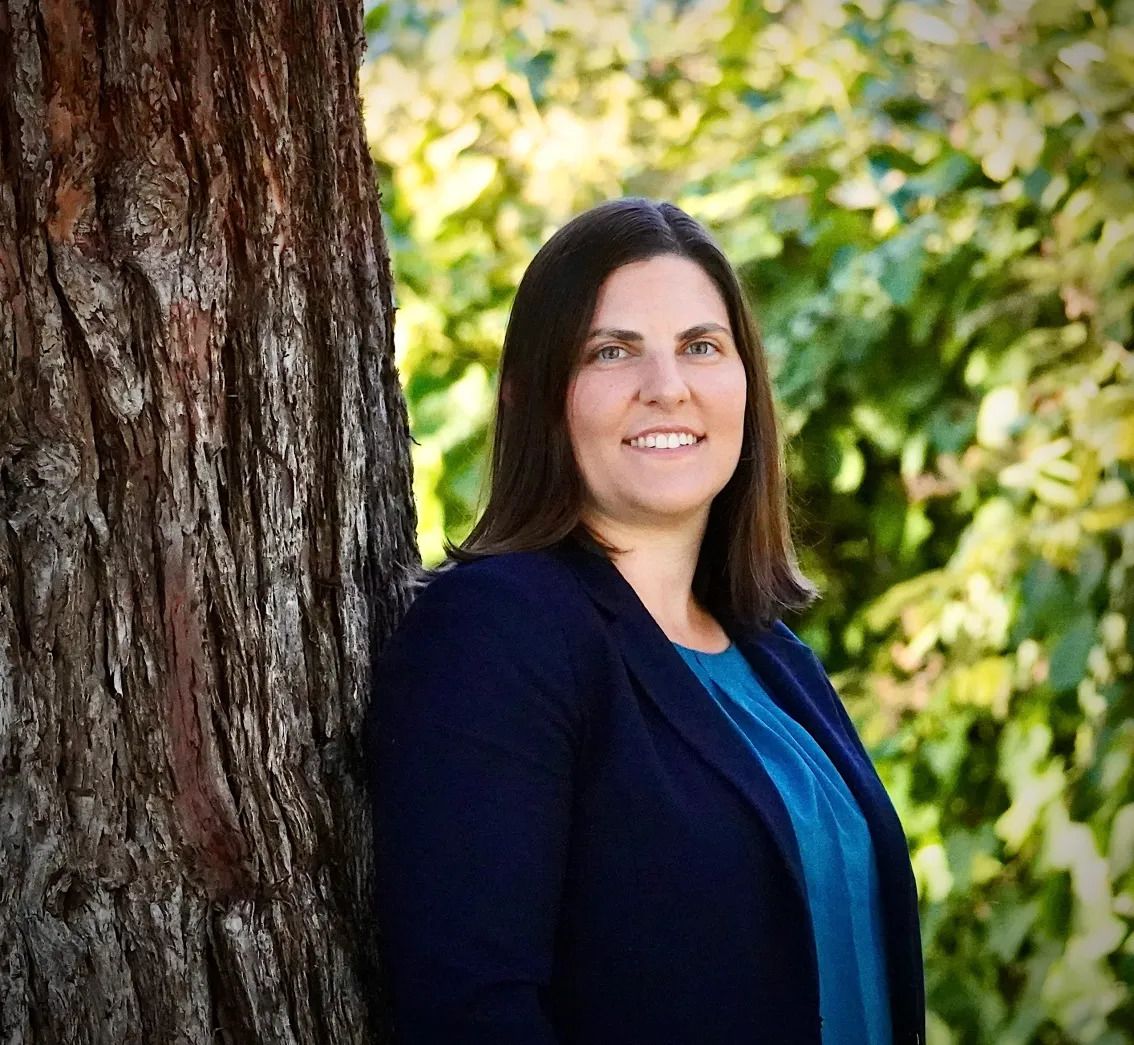
Andrea Sorce
GROUNDED ENGAGMENT
Andrea Source (Honduras and El Salvador 2011–14) exemplifies what it means to lead with service at every stage of a career. From rural entrepreneurship in Central America to the mayor’s office in Vallejo, California, her journey is a model of civic engagement grounded in global experience and community accountability. Andrea began her career in international service, supporting small business development as a Peace Corps Volunteer in Honduras and a Response Volunteer in El Salvador. These roles laid the foundation for her ongoing commitment to empowering communities from the ground up. She continued that mission stateside, working for City Year, The Leukemia and Lymphoma Society, and as a community college professor, where she taught economics and mentored first-generation college students in the Bay Area. Her election as Mayor of Vallejo marked a milestone, not only as a historic civic win but as the culmination of years of policy insight, campaign training, and a people-first approach to governance. She has called for forensic audits, increased public transparency, and a new era of ethical leadership in a city eager for reform. Media outlets have recognized her as a “new source of optimism” in a community long plagued by disillusionment with local government. Andrea also plays a quiet but powerful role in the broader public service ecosystem. As an alumna of New Politics and its affiliated leadership programs, she has become a voice for reimagining what politics looks like when servant leaders step into elected roles. Her work embodies the Peace Corps’ domestic dividend: channeling international service into lifelong civic engagement. Andrea Sorce’s career is a testament to what can happen when global awareness, technical expertise, and a deep love of community converge. Her leadership strengthens the social fabric, locally and globally, with clarity, courage, and a commitment to progress.
Mandeep Jangi
RESILIENCE AND SUSTAINABILITY
Mandeep Jangi (Namibia 2016–18) has forged a career that bridges public service, global development, and private-sector strategy, advancing U.S. interests while delivering measurable benefits to communities at home and abroad. Through roles in both government and financial services, Mandeep has consistently championed resilient systems and inclusive growth. At USAID, Mandeep led efforts to modernize collaboration between the federal government and U.S. corporate partners, enhancing the efficiency and sustainability of development programs. His work helped align public-sector investments with private-sector innovation, driving scalable solutions in areas such as supply chain resilience and sustainability. In the private sector at Vanguard, he applied that same systems-thinking approach to strengthen organizational adaptability, ensuring long-term value for investors navigating a changing global economy. Mandeep’s Peace Corps service in Namibia left a lasting imprint. He developed entrepreneurship programs tailored to local needs, one of which was scaled by the community after his departure, reflecting a commitment to true sustainability. His work has consistently centered on co-creation, trust-building, and capacity development, whether in a rural village or at the highest levels of federal policy. Beyond his technical achievements, Mandeep is a mentor and cultural bridge-builder. As the elected MBA president of a class representing over 60 nationalities, he modeled inclusive leadership and represented American values abroad. His influence within the Peace Corps community is ongoing, as he continues to mentor Volunteers and RPCVs exploring careers in global development, impact investing, and policy. Through his leadership across sectors, Mandeep contributes to a more prosperous and interconnected world. He embodies the domestic dividend of Peace Corps service, applying global insight and collaborative leadership to challenges that matter, and strengthening the institutions, partnerships, and people that will shape the next generation of progress.

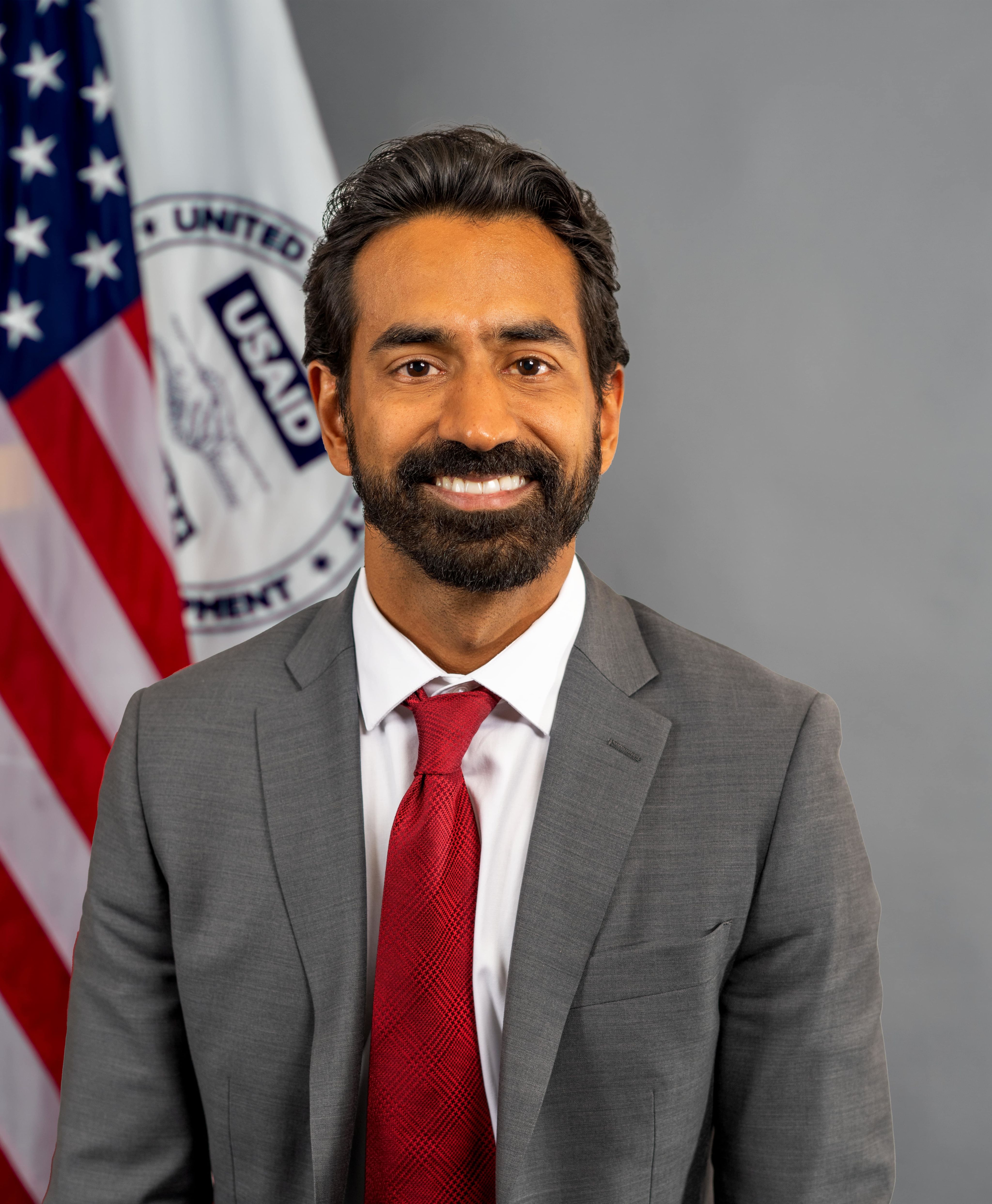
Alexx Goeller
PHILANTHROPY AND RESILIANCE

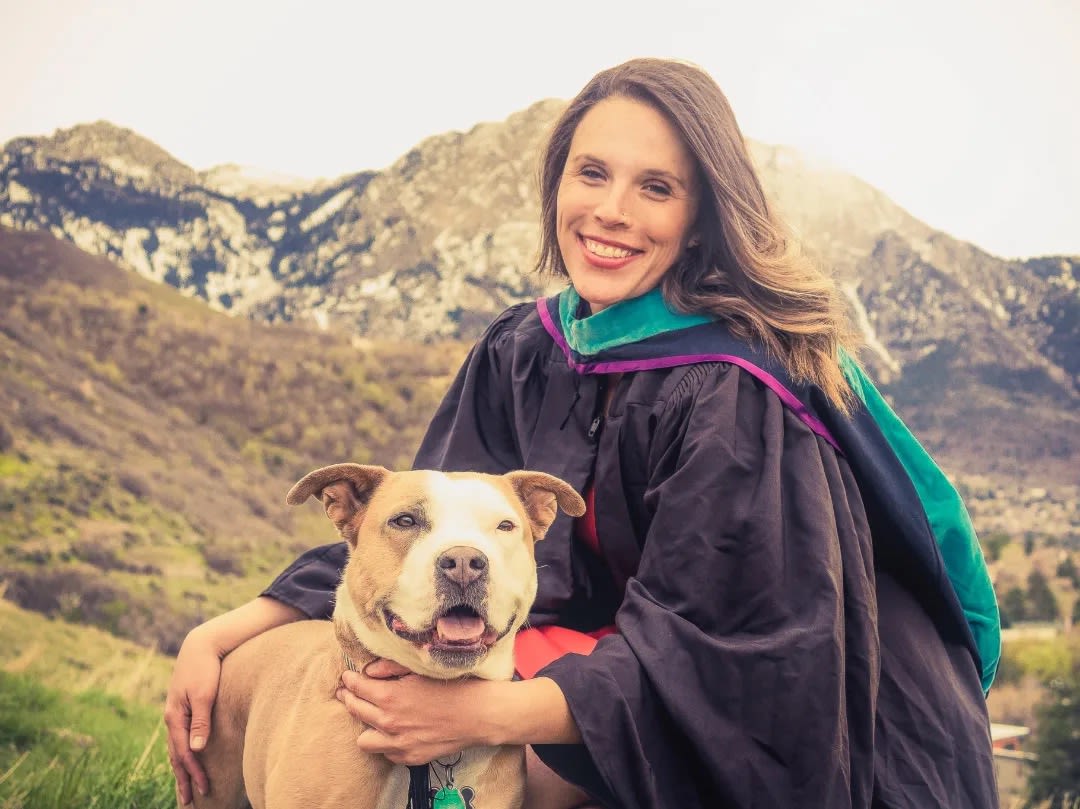
From the moment she set her sights on joining the Peace Corps at the age of twelve, Alexx Goeller (Senegal 2012–14) has been defined by purpose and service. Every decision, from volunteer work in high school to the pursuit of higher education, was shaped by a desire to contribute meaningfully to the world. As a Peace Corps Volunteer in Senegal, she led scholarship and youth engagement programs that prioritized girls' education and community empowerment. Upon returning to the U.S., she channeled that same energy into building community resilience, particularly among refugee youth in Utah, creating widely used educational modules and leading statewide advocacy to eliminate discriminatory school fees for non-English-speaking families. In her professional career, Alexx has held roles that bridge compassion with impact. At the American Cancer Society, she exceeded fundraising goals to support life-saving research and critical patient care. As a corporate philanthropy manager, she oversaw more than $500,000 in community grants for local nonprofits. In a senior leadership role at a children's museum, she ensured that art, science, and storytelling are accessible to every child, regardless of background. Currently, she works as the CEO at a non-profit working to combat climate change by diverting edible food waste to those who are food insecure in the Utah community. Her initiatives continue to deepen the culture of inclusivity and imagination in her community, and she remains committed to pushing private institutions to engage with social good in transformative ways. Alexx’s post-service impact on the Peace Corps community has been just as lasting. She served on the board of the Utah RPCV group, mentored prospective volunteers, and built bridges between RPCVs and refugee-serving organizations. Whether through blog posts chronicling her time in Senegal or podcast appearances about nonprofit leadership, she continues to inspire others with her openness, honesty, and drive. In so many ways, she embodies the Peace Corps legacy where service doesn't end, but evolves.
Cai Thomas
GLOBAL INCLUSION

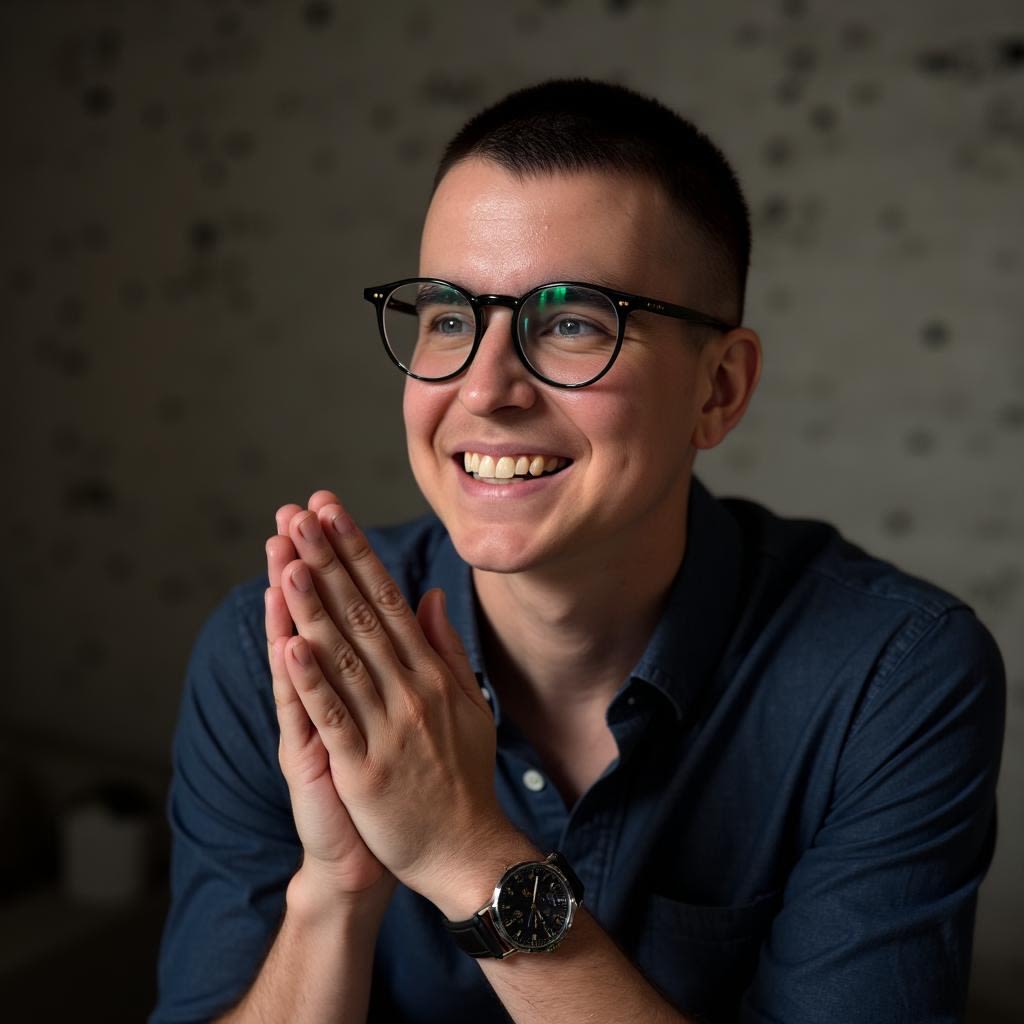
Cai Thomas (Mongolia 2011–13) is a driving force behind a more inclusive and just global community. Through their leadership at IREX and The Global Center, Cai has expanded opportunities for LGBTQ+ youth, embedded gender equity frameworks into international development programs, and championed the rights of historically marginalized communities. Their work contributes to safer, more equitable societies by fostering environments where all voices are heard and where inclusion is a foundational value rather than an afterthought. At IREX, Cai has played a key role in integrating Gender Equity and Social Inclusion strategies into global initiatives. This work ensures that policies and programs reflect the lived experiences of diverse populations, improving everything from youth leadership pipelines to civic participation. As co-founder and COO of The Global Center, they’ve helped build a platform that empowers young queer leaders worldwide, amplifying local solutions to global challenges and cultivating the next generation of inclusive changemakers. Cai’s impact traces back to their Peace Corps service in Mongolia, where they worked side-by-side with local communities to promote education and youth development. That experience sparked a lifelong commitment to social justice and global engagement, which they have since deepened through advanced study in Comparative & International Education at Teachers College, Columbia University. A committed mentor and advocate, Cai continues to support Peace Corps Volunteers and development professionals in centering equity in their work. Their advocacy starts at the policy level before they move to building movements, nurturing leadership, and creating space for those too often left out of decision-making rooms. Cai Thomas stands as a powerful example of what it means to serve with purpose and lead with empathy. Their work makes the world safer, stronger, and fundamentally fairer for generations to come.
Jonathan Keenan
SUCCESS FROM CRISIS
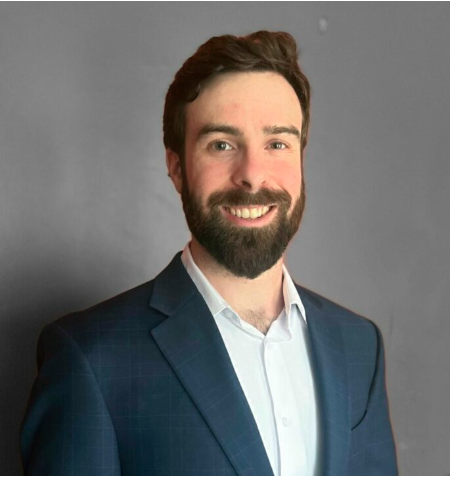
Jonathan Keenan (Cameroon 2014–16) is building a more resilient and impactful future. Through his dual roles in national crisis response and post-service career development, he strengthens both the immediate safety of communities and the long-term success of those called to serve them. As a Doctrine Analyst with FEMA, Jonathan plays a critical role in coordinating disaster response operations, deploying directly to the frontlines of crisis management. His work contributes to a safer and more prepared United States, ensuring that when emergencies strike, systems and personnel are ready to respond swiftly and effectively.Equally transformative is his work beyond FEMA. Jonathan is the founder of RPCVnexus, a nonprofit initiative that has redefined post-service support for Peace Corps Volunteers. In a landscape where career transitions can be daunting, RPCVnexus provides resume reviews, mentorship, and tailored resources that empower hundreds of RPCVs to translate their global experience into impactful careers in government, development, academia, and beyond. It is a support system built by and for those who serve, filling a vital gap where institutional resources have often fallen short.Jonathan’s commitment to the Peace Corps community is tangible, strategic, and deeply values-driven. He elevates the stories and skillsets of Volunteers, helping them find purpose-aligned roles that continue their service long after returning home. His leadership ensures that the Peace Corps’ domestic dividend is not just an idea but a structured, thriving pathway for lifelong impact. By linking service to sustainable professional growth, Jonathan is expanding the Peace Corps’ legacy into boardrooms, classrooms, agencies, and grassroots initiatives across the country. His work builds stronger careers, stronger communities, and a workforce that carries the spirit of global citizenship into every corner of society.
Lisa Curtis
FROM THE GROUND UP
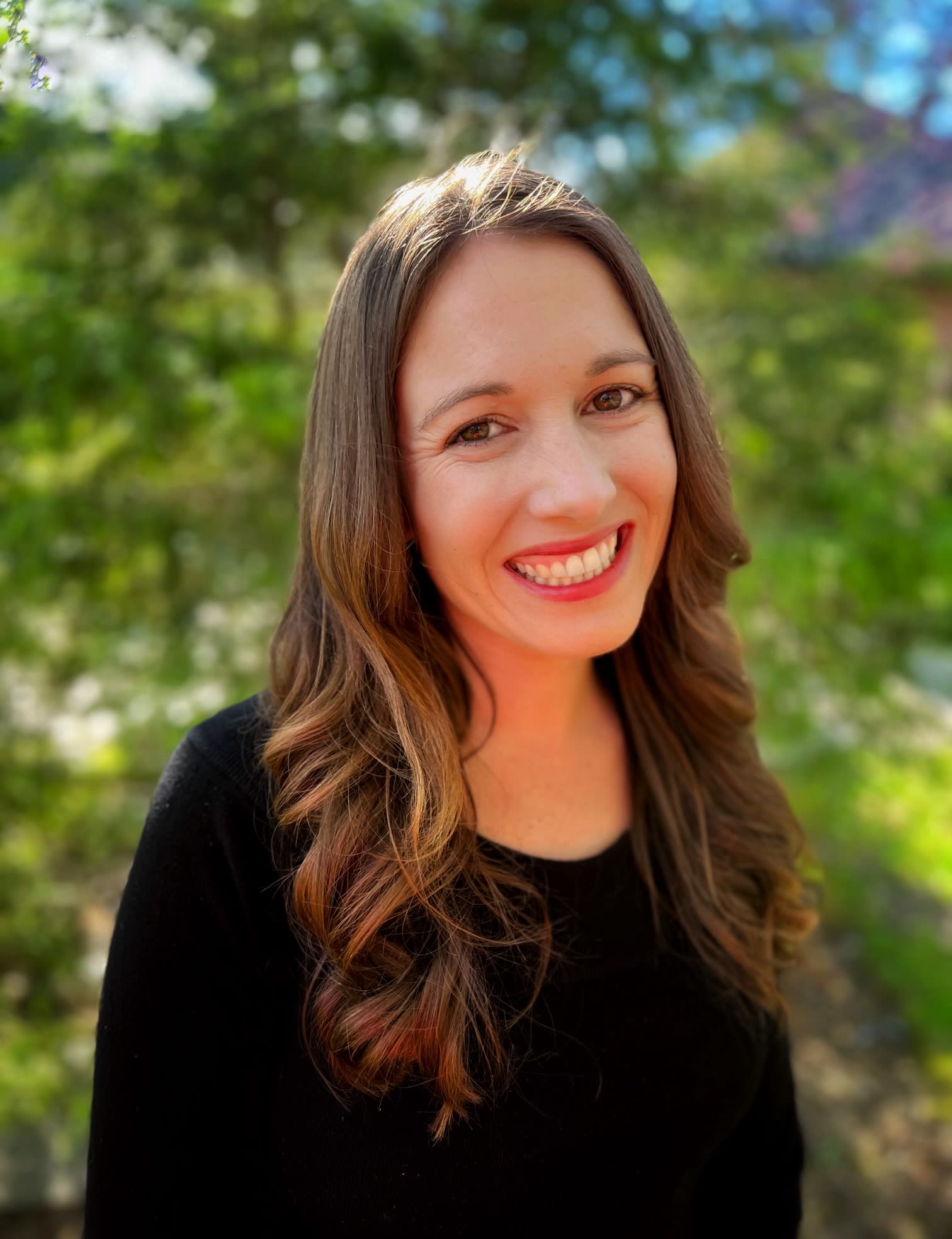
Lisa Curtis (Niger 2010–11) has transformed a Peace Corps spark into a movement for global nourishment, women’s empowerment, and climate-smart agriculture. As the founder and CEO of Kuli Kuli Foods, Lisa built a multimillion-dollar social enterprise rooted in the idea that the world’s most powerful solutions often grow from the ground up, quite literally. While serving in Niger, Lisa first encountered moringa, a drought-resistant tree packed with nutrients, in a snack called “kuli kuli.” Inspired by its health benefits and economic potential, she returned home with a vision: bring superfoods like moringa into the mainstream U.S. market, while creating fair, sustainable supply chains with women and smallholder farmers in the Global South. That vision is now reality. Kuli Kuli products are sold in over 11,000 stores across the U.S., supporting thousands of farmers in countries like Niger and the Dominican Republic. Lisa’s leadership blends public health, economic development, and environmental sustainability. Her work strengthens communities by promoting nutrition, advancing food sovereignty, and creating climate resilience through regenerative agriculture. Through the company’s recent commitment to the Purpose Pledge, Kuli Kuli continues to set a bold example for how business can serve people and the planet alike. Beyond her business achievements, Lisa has remained a passionate voice for the Peace Corps community by speaking at events, mentoring new entrepreneurs, and sharing the story of how her service shaped a company and career. She has become a household name among RPCVs in Northern California, not just for her success, but for her unwavering belief that values and venture can grow hand in hand. Lisa is proof that a single moment of inspiration, in any corner of the world, can bloom into a global force for good. She’s not just nourishing bodies; she’s nourishing economies, ecosystems, and an enduring legacy of service.
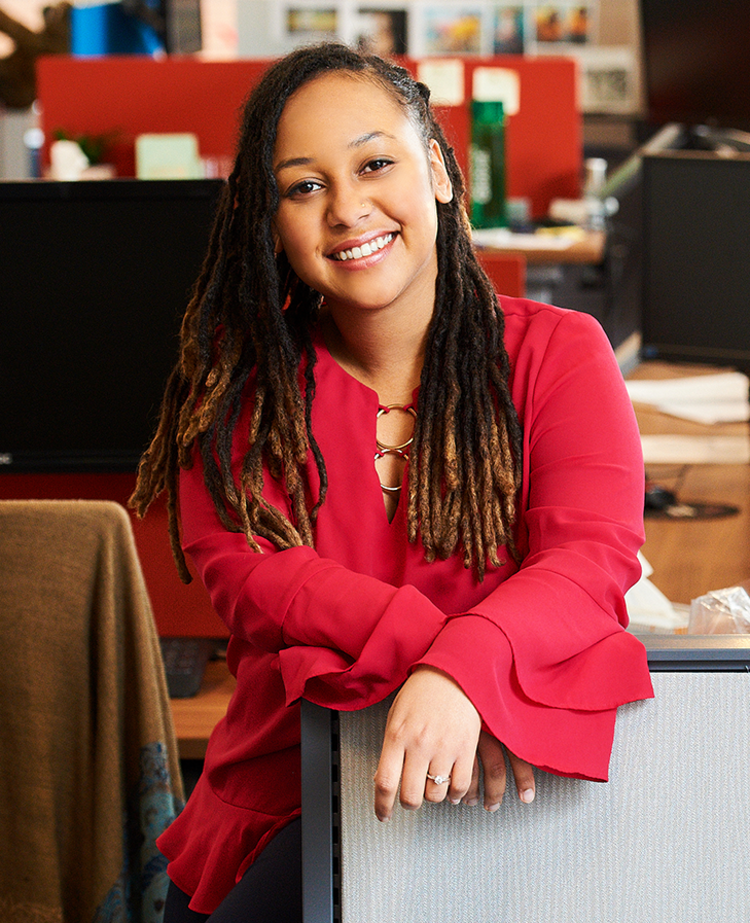
Jaynice Del Rosario
CHAMPIONING GRASSROOTS
Jaynice Del Rosario (Ethiopia 2013–15) is reshaping the future of international development by putting power directly into the hands of girls. A bold advocate for youth-led change, she has centered her career on uplifting the voices and visions of young women from the Global South, championing their right to lead, create, and thrive. As Senior Program Officer at Girls First Fund, Jaynice launched the groundbreaking Changemakers program, a participatory grantmaking model that empowered girls and young women from seven countries (later expanded to include Haiti, Morocco, and Pakistan) to award nearly $1 million in grants to grassroots organizations fighting child marriage. Working across eight languages, including Dominican Sign Language, Jaynice pioneered an approach to philanthropy that values language justice, co-creation, and the lived expertise of girls themselves. She is also the founder of the Feminist Idea Lab, a visionary platform that provides seed funding and mentorship to girl-led initiatives. Her 2024 cohort launched five powerful projects, from a digital magazine amplifying Black immigrant voices to a menstruation and SRHR education program in Tanzania. Through her guidance, one grantee reclaimed ancestral land in Mexico to build a community center, while another organized a fashion show for autism awareness. This is not charity, it is infrastructure for liberation. Jaynice helped lay the groundwork for what would become the Let Girls Learn initiative while serving in Ethiopia and as the National Coordinator for Gender and Development. She brings that same strategic vision and care to every role, from grassroots mobilization to global philanthropy. Jaynice has left an enduring mark on the Peace Corps community and the broader development field by advancing girls’ rights and trusting girls to lead. She builds a world where self-determination is not aspirational but expected and where young women are the architects of prosperity and peace.
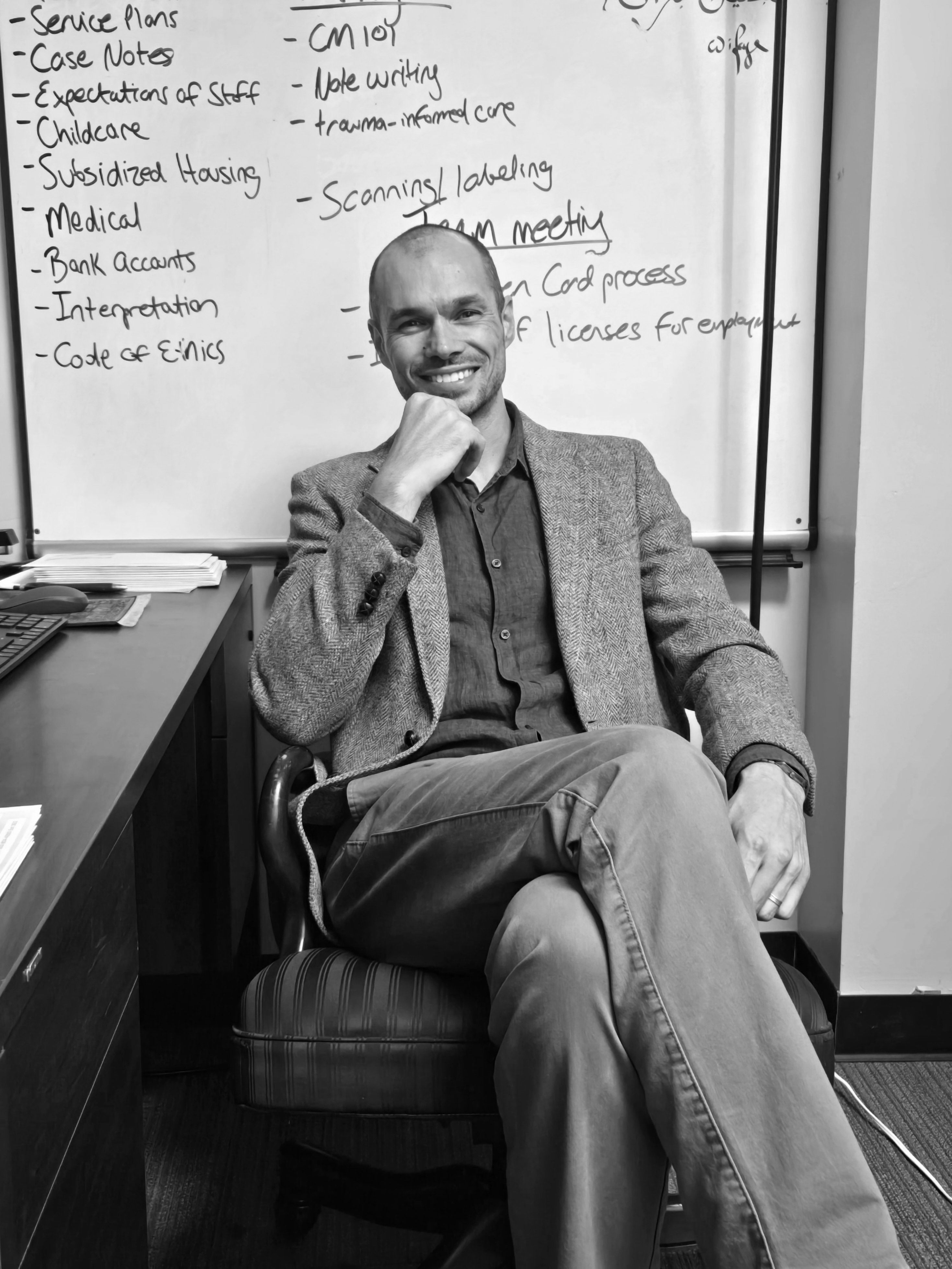
Dr. Justin D. Bibee
RIGHT TO BELONG
Dr. Justin D. Bibee (Morocco 2014–16) has dedicated his life to building bridges across borders, identities, and generations. His work, at the crossroads of refugee resettlement, cultural preservation, and human rights, helps shape a world where belonging is not a privilege, but a right. As Director of Refugee Resettlement at the Refugee Dream Center, Dr. Bibee plays a pivotal role in welcoming newcomers with dignity, ensuring they have the tools and support to rebuild their lives. From housing and employment to education and health care, his leadership creates pathways to stability. Yet his approach goes beyond logistics, it’s rooted in recognition of the whole person, preserving cultural identity as a strength, not a barrier. He has orchestrated community dialogues, storytelling nights, and cultural celebrations that bring refugee and host communities together, dissolving fear and fostering solidarity. Dr. Bibee’s advocacy has helped secure statewide recognition of World Refugee Day in Rhode Island and elevated public understanding of refugee contributions. He has shaped policy conversations with state and municipal leaders, championed inclusive narratives through art and media, and inspired national recognition through congressional commendations. Parallel to his resettlement work, Dr. Bibee curates The Justin Bibee Collection, a traveling exhibition of tribal and ethnographic art from across the globe. Hosted in libraries and public institutions, these exhibits democratize access to heritage, spotlighting indigenous and diasporic voices through the lens of craftsmanship and story. For immigrant and refugee communities, it is a mirror of pride. For others, it’s an invitation to learn and connect. A Returned Volunteer from Morocco, fluent in Darija, and a Global Fellow at Brown University, Dr. Bibee lives out the Peace Corps mission with grace and conviction. His legacy is in the lives he helps rebuild and in the cultural threads he helps preserve and weave into our shared future.
Joshua Josa
GIVEN A VOICE TO THRIVE
Joshua Josa (Kenya 2010–12) is redefining what inclusive development looks like on a global scale. As USAID’s Inclusive Education Specialist, he has led efforts that have reached more than 300,000 children and youth with disabilities across 50+ countries while simultaneously shifting policies, practices, and perceptions to create educational systems that work for everyone. A third-generation deaf individual, Josh brings lived experience and visionary leadership to his role. His work gives access through equity, dignity, and systemic transformation. Under his guidance, inclusive education programs at USAID have expanded in reach and deepened in purpose, centering the voices and rights of learners with disabilities. His advocacy has helped shape a more just global education agenda, with ripple effects that extend to communities, schools, and governments worldwide. Josh’s legacy of impact began with the Peace Corps in Kenya, where he worked in Deaf education, teaching core subjects, supporting families of children with disabilities, and helping shift schools toward the use of Kenyan Sign Language. His service embodied the Peace Corps' ethos of cultural exchange and sustainable development, and his influence has since helped push the agency to recruit more inclusively and design projects that reflect the full spectrum of human diversity. Recognition of his work is widespread, including the prestigious 2022 Samuel J. Heyman Service to America Medals People’s Choice Award. But what distinguishes Josh isn’t just the accolades, but it’s his integrity, empathy, and relentless belief in what’s possible when all learners are given a voice. Joshua Josa is building a future where every child, regardless of ability, can thrive. His career is a blueprint for compassionate leadership, and a reminder that lasting peace and prosperity start with the radical act of inclusion.

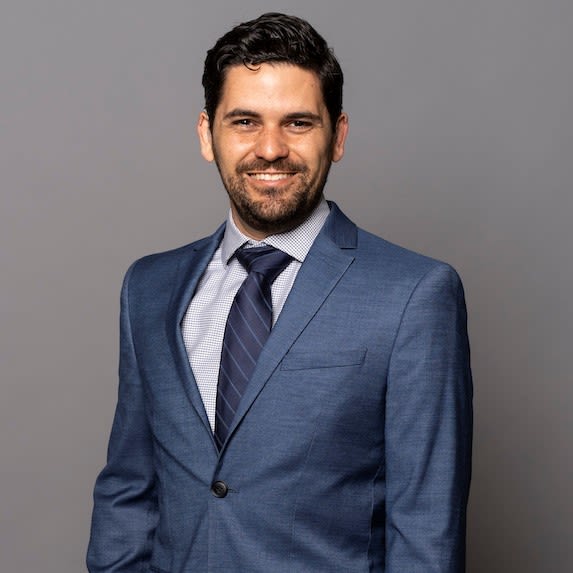
Ariana P. Maloney Esq.
BETWEEN WORK AND CARE

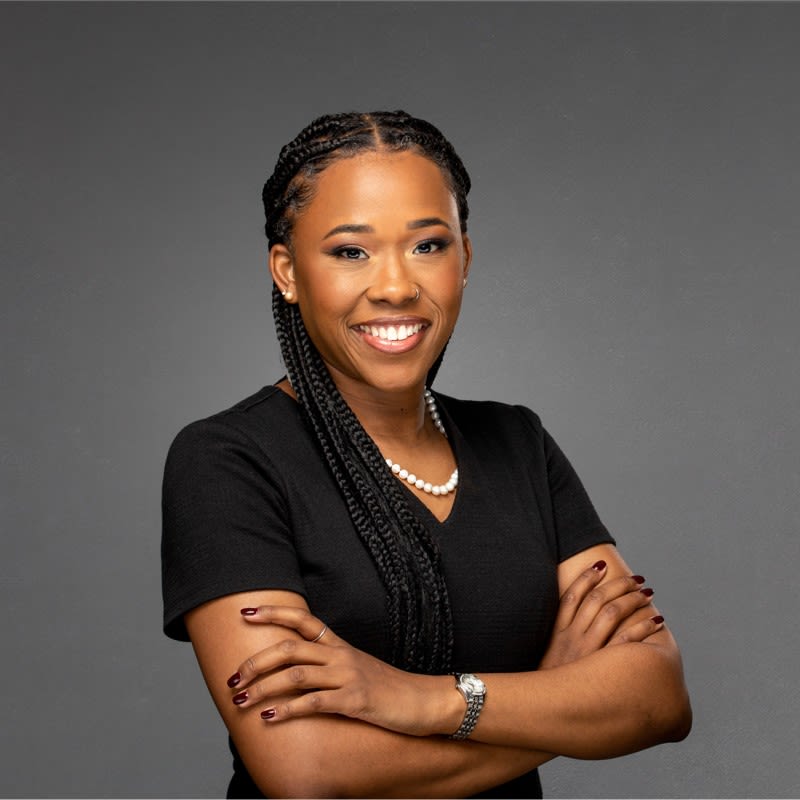
Ariana P. Maloney (Morocco 2012–14) is a force for equity at every level, from village classrooms to complex healthcare systems. Her path reflects an unwavering commitment to justice, rooted in global service and carried forward through her work as a legal professional dedicated to public health, policy reform, and community resilience. Ariana spent her early career in youth development, partnering with local communities to create sustainable education initiatives that empowered the next generation. That global outlook now informs her legal work, where she navigates the intricacies of healthcare law at BJC Health System. There, she helps craft policies that protect patients, ensure regulatory compliance, and uphold ethical standards in one of the nation’s most critical sectors. Her legal expertise is matched by a deep moral clarity. Ariana offers pro bono legal support to underserved individuals and has mentored countless young professionals pursuing careers in service and advocacy. Whether counseling hospitals or volunteering her time, she leads with compassion, precision, and the belief that justice should be accessible to all. Her advocacy goes beyond the courtroom. As a caregiver for her mother with Alzheimer’s, Ariana has become a visible and vocal supporter of neurological research and elder care reform, fundraising, sharing resources, and building awareness in the quiet moments between work and caregiving. It’s a testament to how she lives her values professionally, personally, and persistently. Ariana Maloney is the kind of leader whose influence is measured not only in systems improved or policies shaped, but in lives touched. She is building a future where healthcare is ethical, law is equitable, and communities are both protected and empowered, making our country and our world undeniably stronger and more just.
Dr. Laurenia Mangum
TRANSFORMING HEALTH

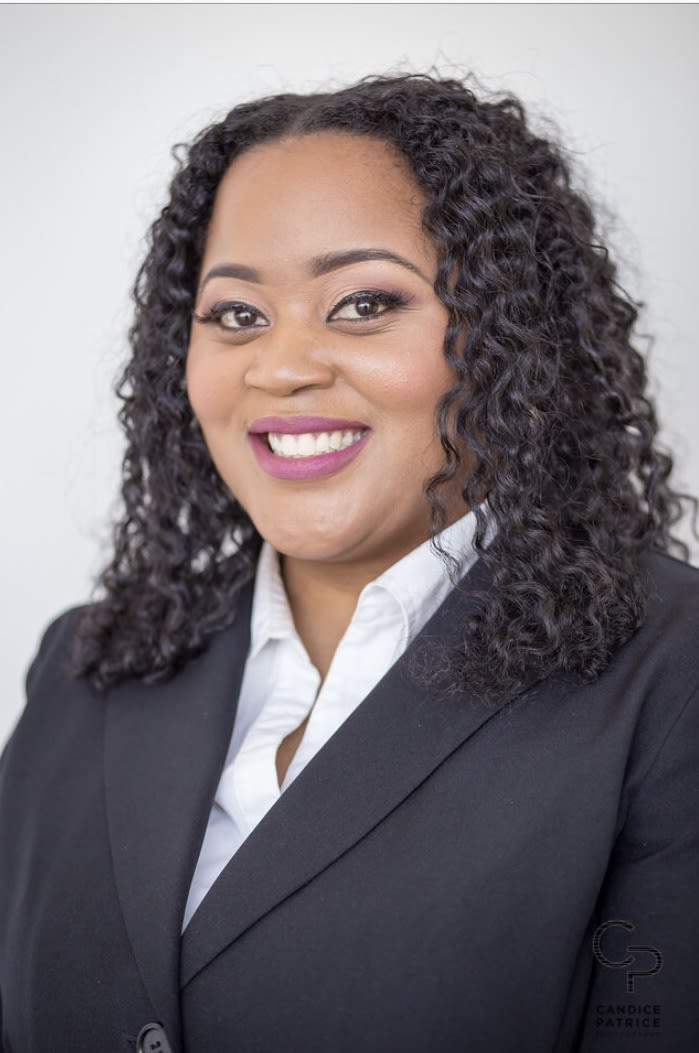
Dr. Laurenia Mangum (Philippines 2012–14) is a public health social worker, researcher, and educator whose career is rooted in advancing equity for Black women and girls. With dual master's degrees in public health and social work and a PhD in social work, she brings over a decade of frontline and academic experience to the fight against HIV disparities. Her research focuses on maternal HIV outcomes and reproductive justice, with the goal of improving access to family planning and care for historically marginalized communities across the United States. Her commitment to service began as a Peace Corps Volunteer in the Philippines, where she led transformative health initiatives for women and girls, including two Small Project Assistance grants and a World Connect grant focused on HIV prevention, maternal-child health, and support for survivors of gender-based violence. Whether coordinating a GLOW camp on gender equity or helping build housing for women testifying against their abusers, Laurenia centered community voices and sustainable impact. She has continued this approach in the U.S., from leading chronic disease self-management programs in underserved neighborhoods to providing HIV/STI testing and counseling through Planned Parenthood. Now a tenure-track professor at the Jane Addams College of Social Work at the University of Illinois, Dr. Mangum combines her clinical expertise and research to train the next generation of practitioners. Her leadership has been recognized through numerous honors, including the 2023 Kate Raftery Emerging Leader Award and selection as a Society of Family Planning Changemaker. In all her work, from global grantmaking to grassroots education, she uplifts the health and autonomy of women and girls, showing that public health is not only a profession, but a vehicle for liberation and long-term transformation.
Dr. Molly Fessler
HUMAN DIGNITY AND HEALTH EQUITY
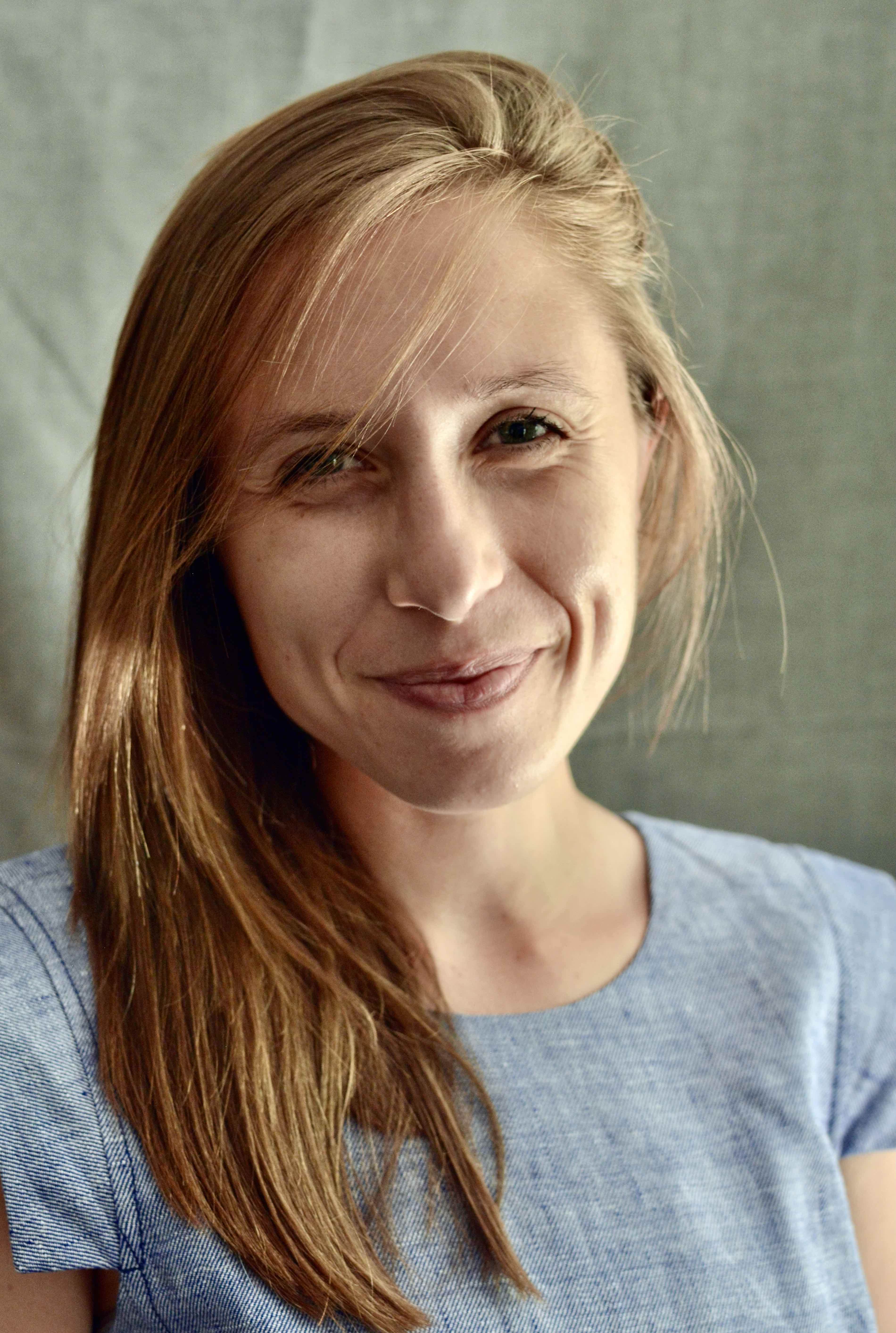
Dr. Mary Margaret “Molly” Fessler (Belize 2014–16) is a rising force in psychiatry and public health, blending clinical expertise with deep community engagement to advance human dignity and health equity. As a psychiatry resident at Duke University and incoming Chief Resident at Duke Regional Hospital’s Behavioral Health Inpatient Unit, she has led initiatives to expand voting access for psychiatric inpatients, promote child-parent bonding through innovative curricula, and deepen cultural humility in medical education. Her academic achievements, from Alpha Omega Alpha to the Leah Dickstein Award, are matched by her ability to translate empathy into action across medical and community spaces. Before medical school, Molly served in rural Belize, where she co-founded a women’s health center and developed health education curricula still in use today. Her service sparked a career-long commitment to underserved populations, including leading community health efforts in New Hampshire and launching “Hearts & Soles,” a foot care initiative for unhoused individuals in Michigan. During the height of the pandemic, she co-led mutual aid programs and transformed how medical students are trained to care for people experiencing homelessness. These projects exemplify her ethos: that healing must be human-centered, trauma-informed, and justice-driven. Whether curating creative reflections through her journal Auxocardia, delivering national talks on grief in medical training, or shaping the language of care through acclaimed writing in Academic Medicine and The Pharos, Molly elevates the voices often overlooked in healthcare. Her work fuses advocacy, scholarship, and clinical excellence to reimagine systems of care, making them more accessible and more humane. From Peace Corps villages to psychiatric units, she embodies a lifelong commitment to equity and healing that resonates far beyond her immediate reach.

Randi D'Eramo
DEVELOPING HOME AND ABROAD
Randi D’Eramo (Ecuador 2017–19) is a dedicated leader in international development and community engagement, currently serving as the Community Service Director on the board of RPCVs of Washington, D.C. She served in Ecuador from 2017 to 2019, where she contributed to local development initiatives. With over seven years of experience in the international development sector, Randi has cultivated strong relationships with various organizations and institutions. Her commitment to service is evident in her coordination of community events, such as the City Blossoms Garden Workday, which aimed to prepare the Marion Street Intergenerational Garden for youth programming. Beyond her professional endeavors, Randi is actively involved in her local community in Northwest D.C. She engages in activities like music, running, traveling, and socializing, reflecting her enthusiasm for community involvement. Her educational background includes studies at Bloomsburg University of Pennsylvania. Randi D’Eramo exemplifies a blend of global perspective and local action, making significant contributions to both international development and her community.
Estee Katcoff
AGENTS OF CHANGE
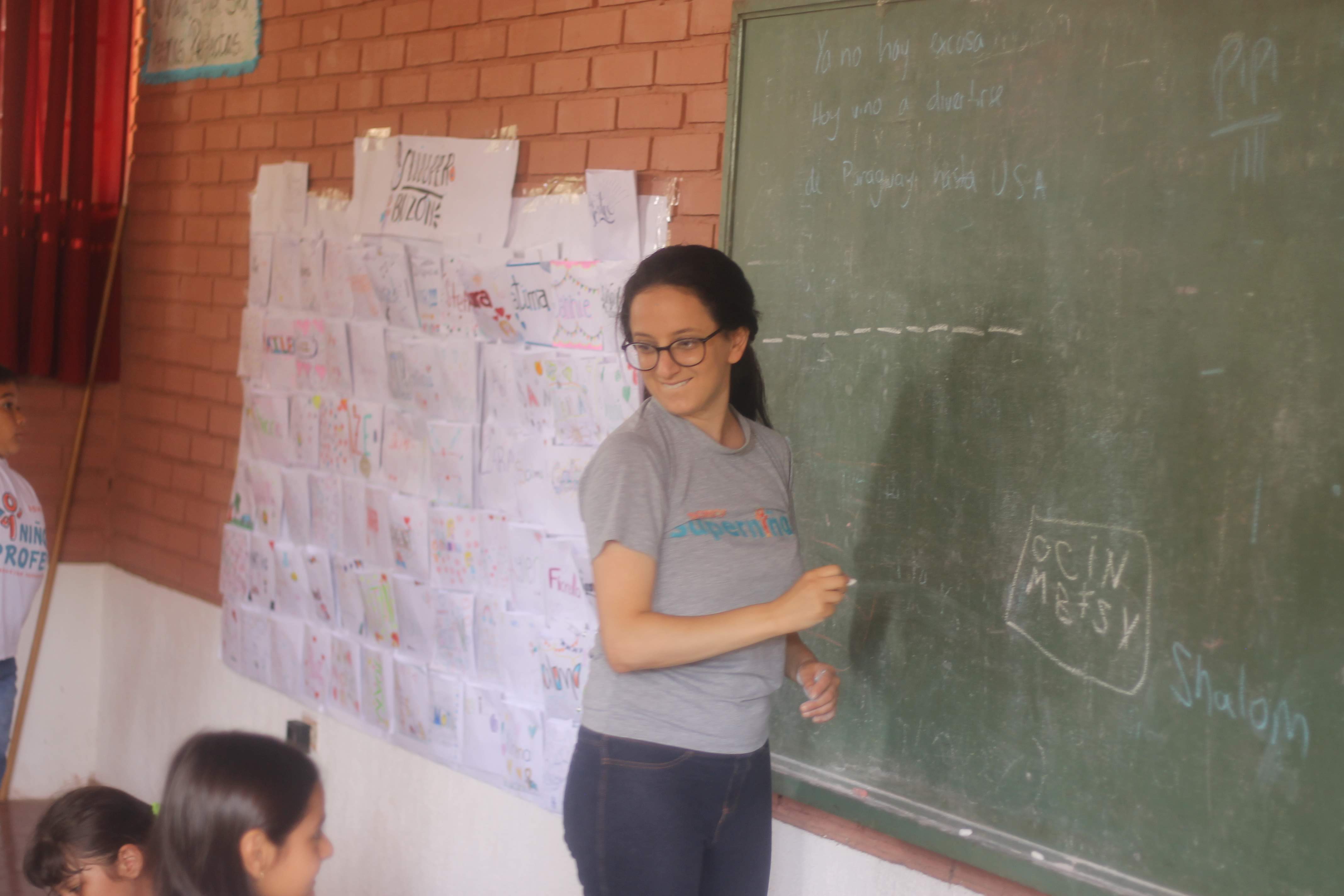
Estee Katcoff (Paraguay 2011–14) has spent the past decade building a bold, grassroots movement centered on one transformative idea: that children can be agents of change in their own communities. As founder of the Superkids Foundation, based in Paraguay, she developed the country’s first mixed-income incubator for child leadership, an initiative that has already reached over 5,000 young people. Through programs that empower kids to become “Kid Teachers,” Estee has created a model that not only improves literacy and education outcomes but builds civic engagement and cross-class collaboration from the earliest stages of life. Her leadership journey began in Paraguay, where she first learned the value of working with, not just for, communities. Those principles shaped Superkids' participatory approach and Estee’s on-the-ground presence as both founder and teammate. Her belief in collaborative development and culturally responsive education has had ripple effects far beyond the classroom. Today, Superkids operates with a local staff and board of over 30 people, catalyzing a new generation of leaders and learners in Paraguay. In addition to her nonprofit work, Estee currently serves as a Project Manager in Product Data Operations at Meta, where she continues to apply her skills in systems thinking and cross-functional leadership. Her dual roles in the social and tech sectors exemplify her versatility and enduring commitment to impact. As a former recipient of the Kate Raftery Emerging Leader Award, Estee remains a powerful example of Peace Corps values in action, building a more equitable, educated, and empowered world, one child at a time.
Will Burriss
HOPE FROM DISASTER
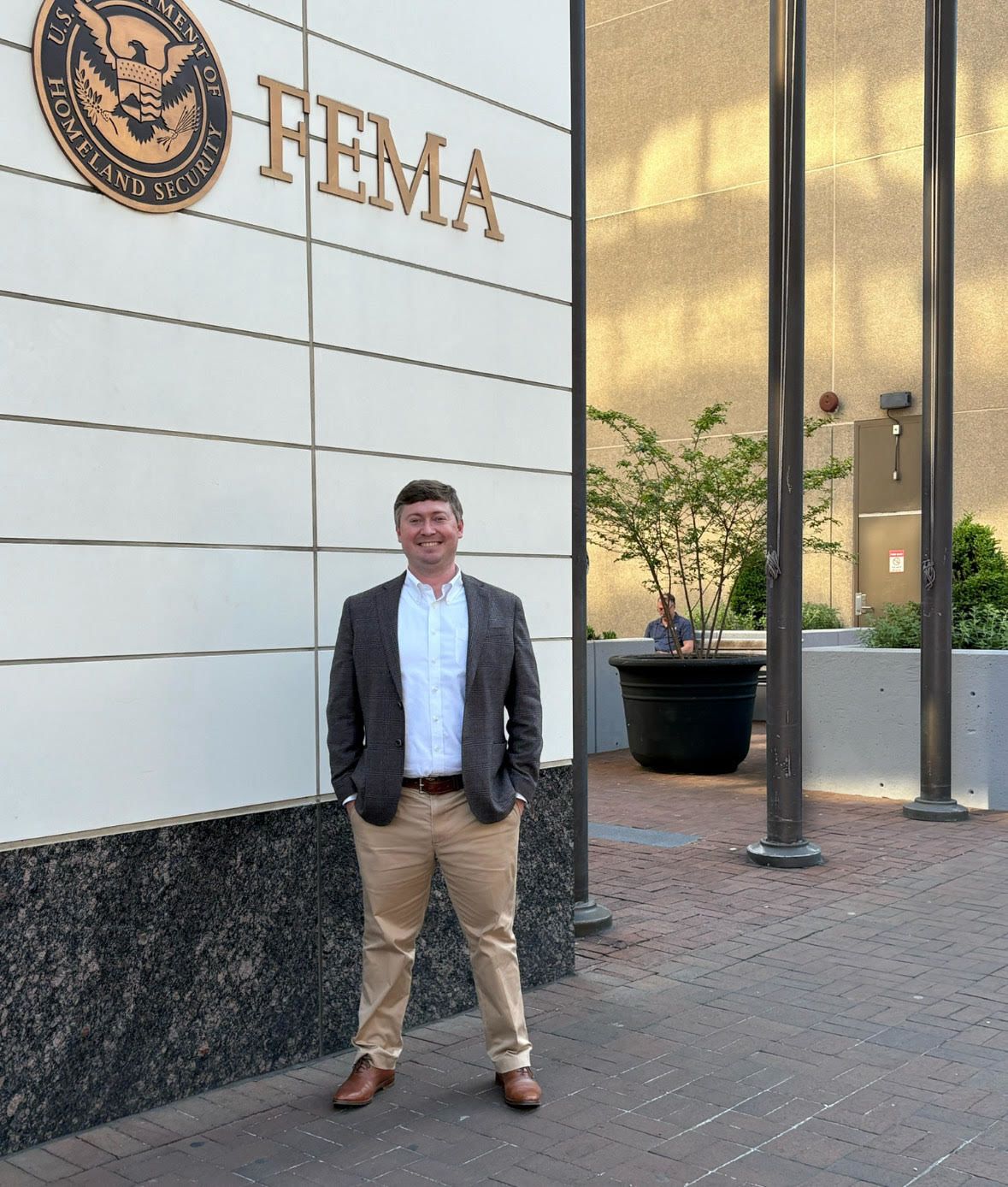
William Burriss (Morocco 2016–18) has built a career defined by service, responding to national emergencies, supporting legislative oversight, and expanding youth opportunity abroad. At the Federal Emergency Management Agency, he serves on the congressional affairs team, helping to coordinate testimony and communication between FEMA leadership and Congress. His role is particularly critical during times of crisis, including deployments to disaster-affected areas such as those struck by hurricanes and tornadoes, where he helps advance the agency’s mission of supporting communities before, during, and after emergencies. William’s public service journey began in the halls of Congress and continued through Peace Corps service in Morocco, where he made lasting community investments by helping to open a youth center, library, and computer lab. These initiatives expanded educational and technological access in his host community and reflect his broader commitment to empowering youth and building local capacity. His return stateside saw him further amplify Peace Corps values through his work at the National Peace Corps Association, where he led advocacy efforts on Capitol Hill and managed the 2019 40 Under 40 awards. From grassroots development to federal disaster response, William’s career bridges domestic resilience and global engagement. His ability to navigate both the policy world and on-the-ground implementation makes him a standout example of how Returned Peace Corps Volunteers can shape a safer, more responsive, and more prepared society.
Leslie Alvarez
ACHIEVING EMPOWERMENT
Leslie Alvarez (Ecuador 2016-18) is a dynamic advocate for girls’ education, community empowerment, and global engagement whose career exemplifies the Peace Corps ethos in action. Currently serving as Donor Relations and Events Manager at Women’s Global Education Project, she raised over $450,000 in her first year alone, mobilizing critical resources to advance girls’ education in Senegal and Kenya. She led the organization’s landmark 20th-anniversary Ndajee benefit, generating over $250,000 and elevating WGEP’s impact through strategic storytelling and relationship-building. Before WGEP, Leslie played a pivotal role at UNICEF USA, where she helped galvanize over 7,000 grassroots advocates and contributed to legislative success in Minnesota, making it one of the few states to outlaw child marriage without exception. Leslie’s global impact began with her Peace Corps service in Ecuador, where she trained over 1,000 teachers, led youth development programs, and facilitated leadership camps focused on gender equity and healthy relationships. Her work across seven countries, including China, South Korea, Turkey, and the Philippines, demonstrates a lifelong commitment to cross-cultural collaboration, community building, and educational equity. Currently pursuing her Master’s in Education at Boston College with support from the Dean’s Scholarship, she continues to elevate others by serving as a Student Ambassador and encouraging other first-generation women to chase their dreams. In the Peace Corps community, Leslie’s influence is both strategic and heartfelt. As President of the Chicago Area Peace Corps Association, she has reinvigorated the organization with fresh vision and hands-on leadership. She’s expanded microgrant opportunities for current volunteers, strengthened alumni networks, and organized monthly “Glocals” that unite RPCVs while supporting immigrant-owned businesses. Her leadership has been so impactful that CAPCA selected her to represent the organization at Peace Corps Connect in Washington, D.C. Leslie Alvarez leads with heart, purpose, and tenacity, and her work continues to ripple outward, strengthening communities and uplifting lives.

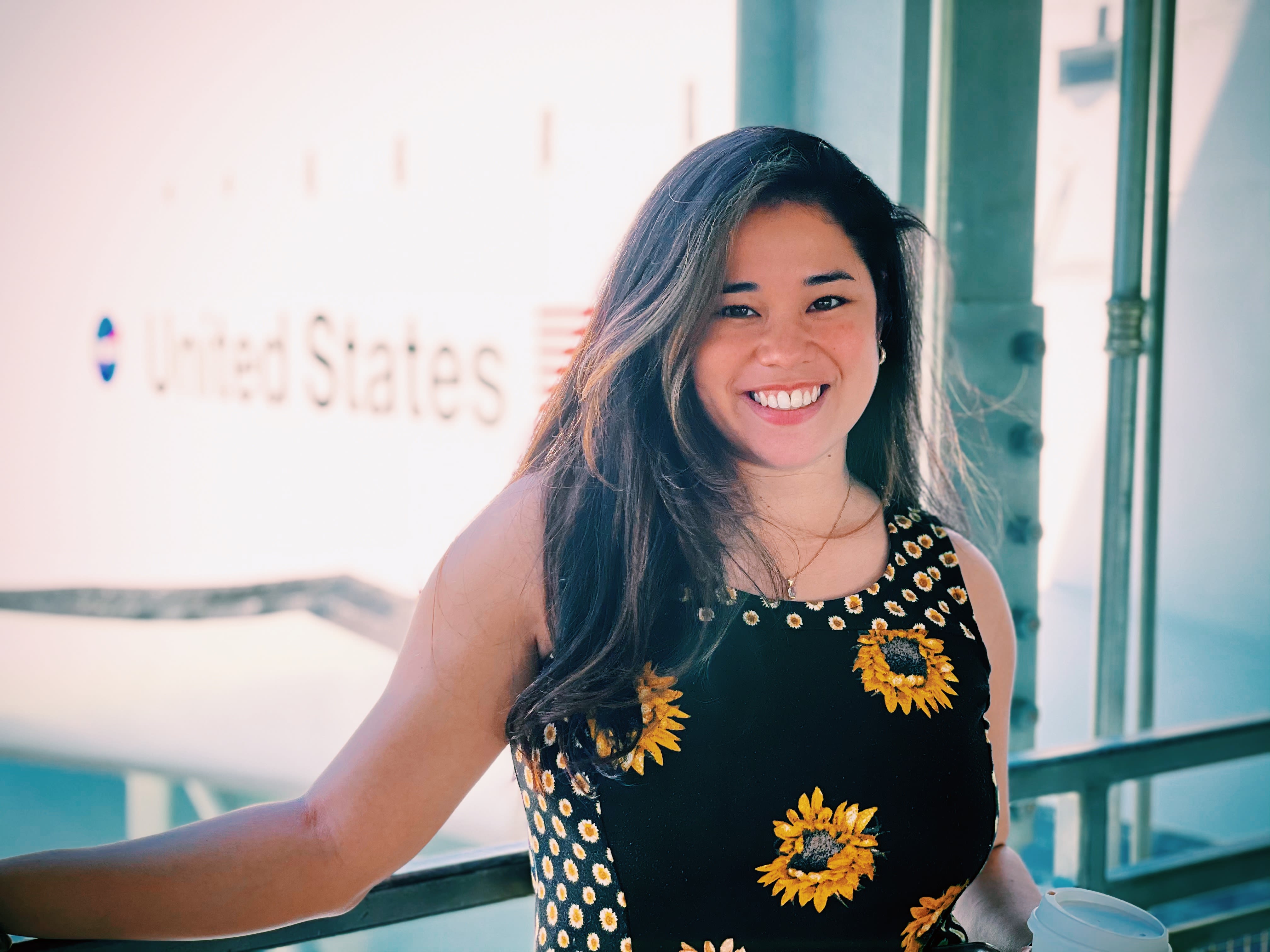
Alex Litofsky
FLOWING WITH POTENTIAL

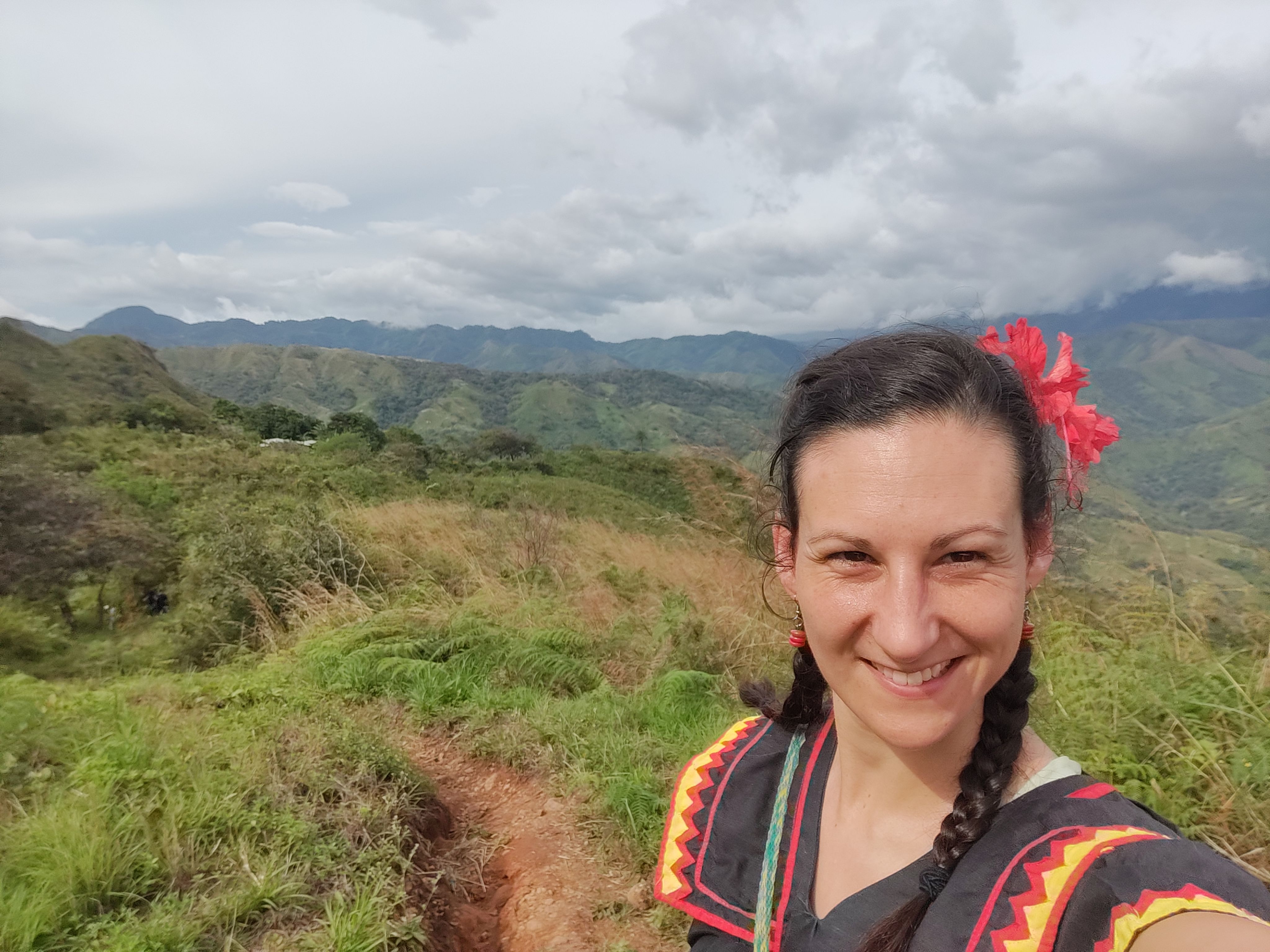
Alex Litofsky (Panama 2014-16) is a licensed professional water resources engineer who has spent over a decade applying her skills to promote health, dignity, and sustainability in underserved communities, both at home and abroad. Her career began in Panama as an Environmental Health Peace Corps Volunteer, where she worked closely with rural communities to build clean water infrastructure and promote long-term water management practices. That early experience set the tone for a career rooted in partnership, humility, and technical excellence. Following her service, she continued this work with the U.S. Indian Health Service on the Hopi Reservation, where she tackled critical water and sanitation needs for Indigenous populations. Today, Alex works with OHM Advisors in Northeast Ohio, where she manages the capital improvement plan for the City of East Cleveland, one of the most under-resourced municipalities in the country. Her role includes securing funding for infrastructure projects and ensuring community voices shape investment priorities. In addition to her engineering expertise, Alex serves her community as a mentor, guest lecturer, and dedicated volunteer. She has returned to Panama each year since 2019, continuing to build local water system management capacity through Engineers Without Borders and Water Engineers for the Americas, blending technical training with cultural respect and lasting partnerships. Alex’s contributions to the Peace Corps community are grounded in her commitment to sustained service. She embodies the long-term, community-centered impact that Peace Corps values strive to achieve, extending her work far beyond her original two-year assignment. By continuing to serve rural Panamanian communities and uplifting under-resourced urban neighborhoods in Ohio, she bridges worlds through engineering, advocacy, and heart. Her story is a testament to the power of applying technical expertise with compassion and a deep belief in the potential of every community.
Vincent Cleveland
FULL OF ENERGY

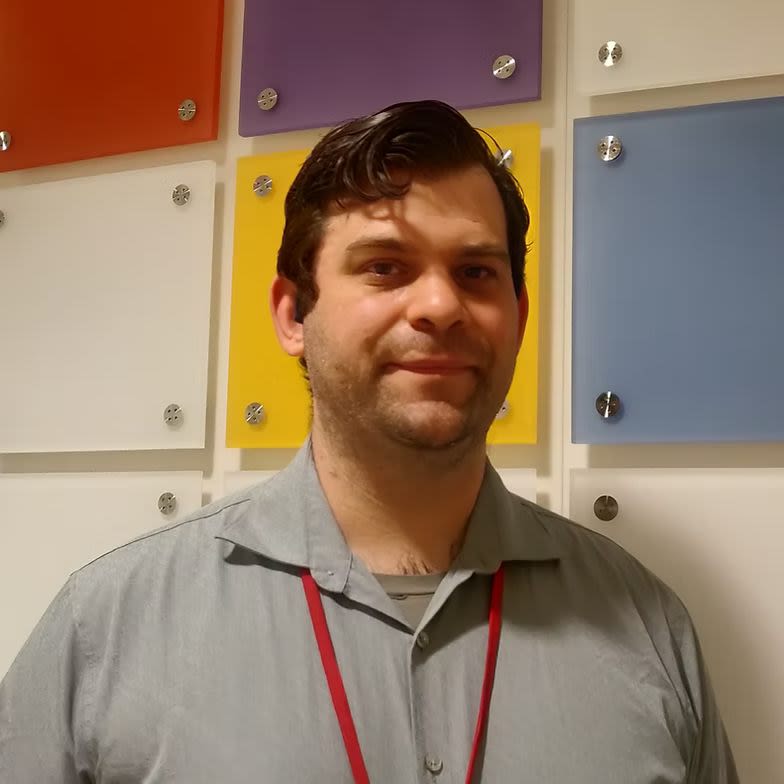
Vincent Cleveland (Armenia 2009-11) has spent over a decade advancing sustainable development, environmental justice, and global health, work that has made both the U.S. and the world stronger, safer, and more prosperous. As a Volunteer in Armenia, Vincent began his service in environmental education, developing programs and resources tailored to local needs in the city of Martuni. Today, he brings those same values to his role as Project Manager at Colorado State University, where he oversees the Sustainable Health through Energy Adoption in Rwanda project. In this role, Vincent leads a team of 15 Rwandan staff conducting a multi-year clinical trial examining the health impacts of replacing traditional wood-burning stoves with gas stoves in rural households. The project spans 650 households and 1,600 individuals, using innovative air quality monitoring and health metrics to assess the impact of cleaner energy solutions on respiratory health. Vincent’s work sits at the intersection of science, policy, and community engagement. His ability to navigate logistical challenges, from vehicle breakdowns to administrative hurdles, while maintaining strong relationships with local communities is a testament to his leadership and humility. He describes his current post as a “posh version of Peace Corps,” but credits his success to the core lessons learned during his time as a volunteer: adaptability, empathy, and the ability to work across cultures. His team’s increasing self-sufficiency speaks to his belief in building capacity rather than dependency, an approach that ensures long-term sustainability far beyond the project’s timeline. Within the Peace Corps community, Vincent remains a source of wisdom and encouragement. He is remembered by his peers not only for his technical knowledge, but for his generosity, reliability, and warmth. As a site mate, mentor, and trainer, Vincent has supported fellow volunteers in achieving their goals and deepened the ethos of collaboration that defines Peace Corps service. He’s also played a quiet but powerful role in how others view Americans abroad, not as tourists or diplomats, but as deeply engaged members of local communities. In every sense, Vincent personifies the spirit of service through action, reflection, and an unshakable commitment to grassroots impact.
Simone C. Freeman-Irwin
SENSE OF BELONGING
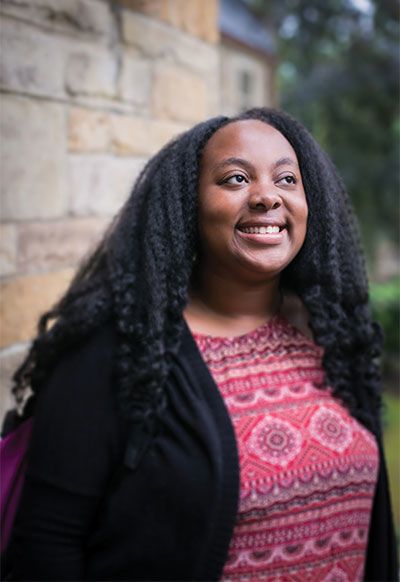
Simone C. Freeman-Irwin (Botswana 2018-20) has dedicated her career to empowering youth and fostering inclusive communities, work that has had a direct impact on making our country and the world stronger, safer, and more prosperous. As a Peace Corps Volunteer in Botswana, she led initiatives in life skills education, HIV prevention, and leadership development, equipping young people with tools for resilience, self-confidence, and health literacy. Her programs centered on positive identity formation, communication, and decision-making, helping to cultivate a generation of changemakers and promote safer, more informed communities. Now based in Pittsburgh, Simone continues to amplify the voices of marginalized groups through multiple professional roles. At the University of Pittsburgh, she serves as the Black, Indigenous, and People of Color Programs Coordinator, where she creates leadership opportunities, organizes educational programming, and supports student belonging and engagement. In her role as a Career Services Coach at Stepful, she mentors learners pursuing careers in allied health, helping them secure externships, prepare for interviews, and build long-term professional success. Through this work, Simone contributes to workforce development and economic inclusion, expanding access to careers in high-impact sectors. Simone’s commitment to service extends beyond the office. As a former Graduate Assistant at Geneva College and a College Coordinator for The Soma Gathering, she bridges education, faith, and civic engagement to develop young leaders. Her continued focus on equity, education, and empowerment embodies the values of the Peace Corps and illustrates how one person’s dedication can create lasting transformation across borders and generations.
Kate Glantz
SYSTEMIC BOLDNESS
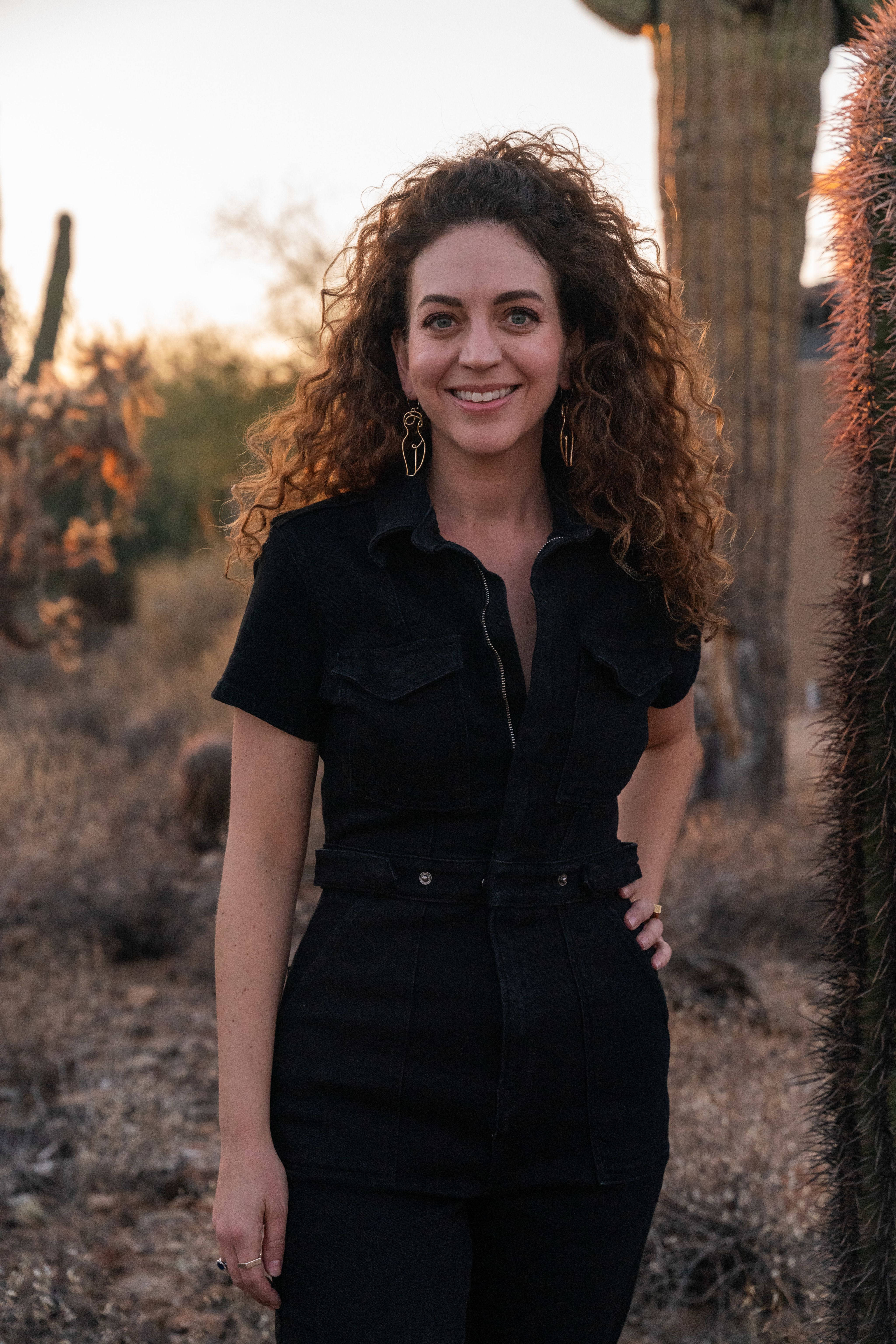
Kate Glantz (Tanzania 2008-10, Senegal 2013-14 )has spent her career where public health, global development, and social entrepreneurship connect, leveraging creativity, strategy, and heart to make the world measurably stronger, safer, and more equitable. From her early work with the CDC and the U.S. State Department, where she led public diplomacy efforts for the $300M PEPFAR portfolio across 80 countries, to launching community-led programs in Flint, Michigan and Zanzibar, Kate has demonstrated a rare ability to translate bold ideas into systems-level impact. Her initiatives have improved global health outcomes, expanded access to essential services, and empowered underserved populations to lead their own change. Kate’s leadership in the tech and social impact sectors is especially noteworthy. At Lyft, she pioneered the nationally acclaimed Grocery Access Program, which provided subsidized rides to food-insecure families in over 20 cities, and launched the Lyft Community Grants initiative, distributing $2M annually to grassroots nonprofits. At Luma Pictures, she steered mass media behavior change campaigns and civic engagement efforts that reached millions. Today, she is the co-founder of Move Over Bob, a media and lifestyle brand reshaping the narrative around women in the trades. By championing vocational training and economic independence for non-college-bound women, Kate is pushing the frontier of gender equity in new, essential spaces. As a former staffer with the Office of Third Goal and Stomping Out Malaria initiative, Kate has always stayed close to the Peace Corps community. Whether it’s launching Zanzibar’s first street food tour to elevate local vendors or organizing a painting class that turned a street corner into a children’s art gallery, Kate sees and nurtures potential wherever she goes. Her longtime friends and colleagues describe her as someone who leads not with ego, but with empathy and intention, someone whose brilliance is matched only by her follow-through. With more than 15 years of public service, entrepreneurial innovation, and unwavering community focus, Kate exemplifies the spirit of the 40 Under Forty recognition.
Lila Holzman
CLIMATE JUSTICE
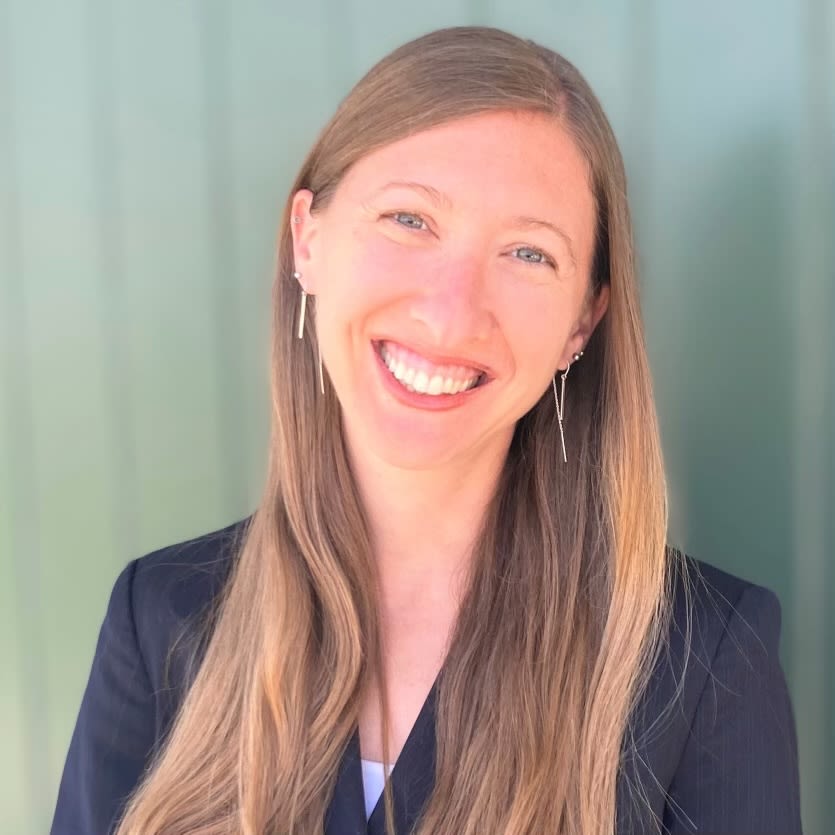
Lila Holzman (Panama 2012-14, Guatemala 2022) has built a career rooted in advancing sustainable development and climate justice, using her technical expertise and leadership skills to create a more equitable and environmentally resilient world. She served in Panama then participated in the Peace Corps’ Virtual Service Pilot Program in Guatemala, Lila has leveraged these experiences to work across global contexts, developing local capacity while keeping long-term systems change in mind. She formerly served as a manager at Rocky Mountain Institute, where she led projects within the Climate Finance program, helping to mobilize finance to address the climate crisis in developing countries. Her work provided financial institutions with tools and resources to invest more in clean energy and other climate change solutions, enhancing global stability and economic opportunity. With a background in environmental engineering and an MBA from The Wharton School, Lila brings a rare blend of technical acumen and strategic insight to her roles. Her previous work at As You Sow, a nonprofit promoting corporate environmental responsibility, helped push major companies toward sustainable energy transitions. Whether engaging Fortune 500 executives or grassroots stakeholders, Lila's goal remains the same: to center equity in climate solutions and ensure that progress is both inclusive and lasting. Lila has also made a deep and lasting impact on the Peace Corps community. As former president of the Northern California Peace Corps Association, she revitalized local engagement, championed advocacy efforts, and continues to co-chair the grants committee supporting community-led initiatives at home and abroad. Her commitment to service is most visible in her relationships with her fellow volunteers, her local community in the Bay Area, and the global networks she cultivates. A decade after first serving in Panama, Lila remains a driving force for good, someone whose career and character exemplify the enduring mission of the Peace Corps.

Brandalyn Bickner
INNOVATIVE COMMUNICATIONS
Brandalyn Bickner (Malawi 2014-16) has made her mark in global communications, crisis response, and civil rights advocacy, quietly but powerfully helping shape how U.S. institutions engage with the world and respond to it. Initially serving in Malawi, Brandalyn extended her service into a four-year tenure, becoming the post’s first Communications Specialist and helping transform the office into a model of innovation. She led storytelling workshops, created ethical media training for Volunteers, oversaw content for social media and blogs, and was honored with the U.S. Mission Malawi Meritorious Honor Award for her groundbreaking work. Her impact only grew from there. As a press officer at Peace Corps Headquarters, Brandalyn played a pivotal role during one of the most challenging periods in the agency’s history, the global evacuation of all Volunteers during COVID-19. She helped lead crisis communications, handled national media coverage, and amplified the ongoing work of staff and Volunteers navigating a world in lockdown. Her leadership ensured the Peace Corps’ values of service and resilience were not just preserved, but spotlighted. More recently, as a Public Affairs Specialist at the Equal Employment Opportunity Commission, Brandalyn contributed to the implementation of the Pregnant Workers Fairness Act and was recognized with the 2023 Chair’s Circle of Excellence Award. Her work continues to bridge storytelling and social justice in high-impact ways. Brandalyn continues to contribute to the Peace Corps community by mentoring trainees in ethical storytelling and building platforms that celebrate diverse RPCV voices. Her efforts have shaped the way the agency communicates, both internally and externally. Her leadership in the Peace Corps employee resource group at EEOC and continued engagement with the Third Goal reflect her enduring commitment to Peace Corps ideals. Colleagues across continents describe her as principled, strategic, and inspiring, someone who doesn’t seek the spotlight but whose work consistently brightens it for others.
Kristy Emiko Miyashita
FRONTLINE SERVICE
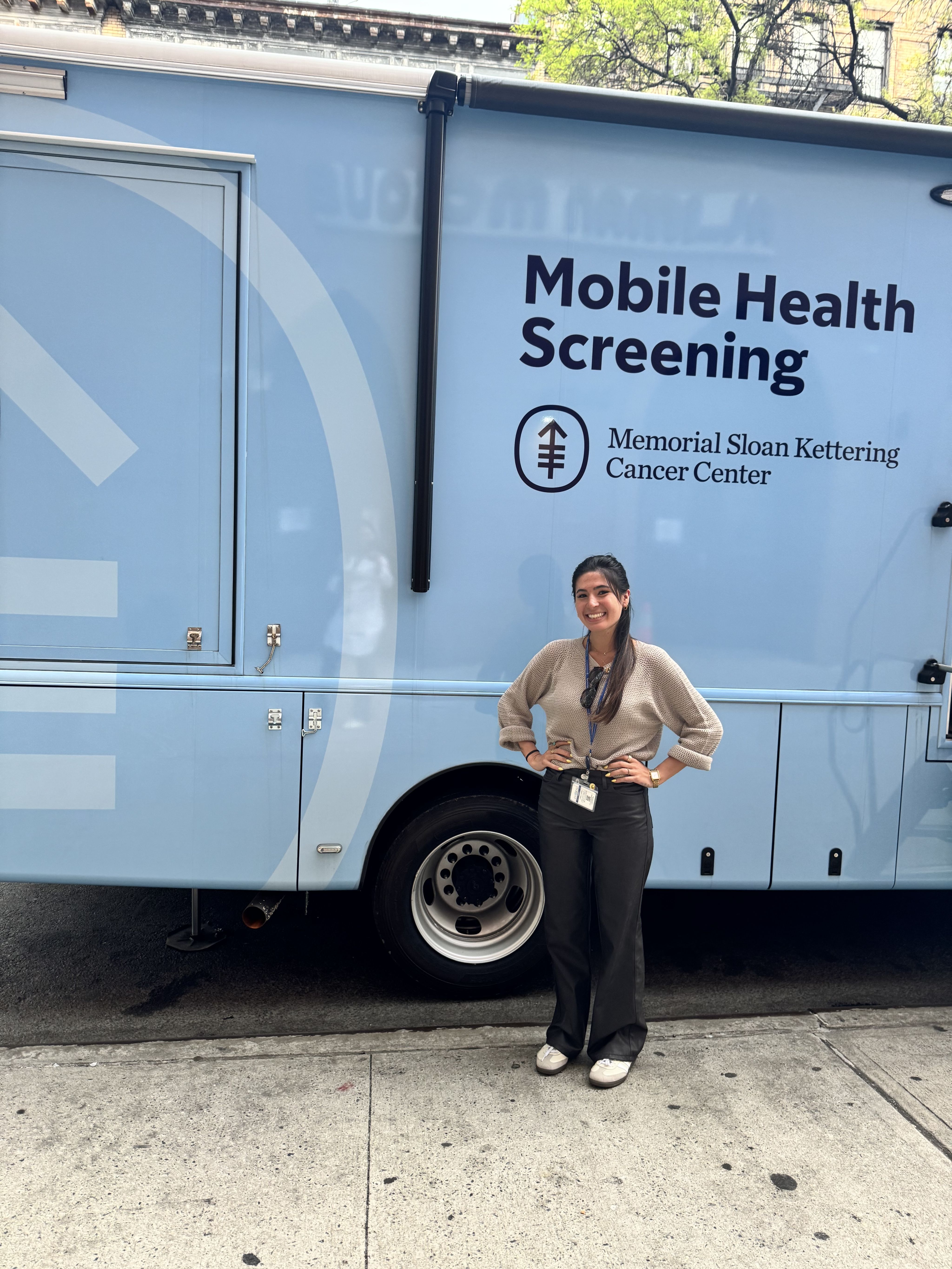
Kristy Emiko Miyashita (Paraguay 2019-20) is a frontline nurse and public health leader advancing immigrant and global health equity. After returning from volunteering in Paraguay, she continues to embody the Peace Corps mission through her work at Memorial Sloan Kettering Cancer Center’s Immigrant Health and Cancer Disparities Service. There, she provides care beyond hospital walls by organizing health fairs, offering health education, and connecting undocumented and underserved populations to critical medical and social services. Her work directly addresses barriers created by shifting immigration policies and ensures vulnerable communities aren’t left behind. Board-certified in medical-surgical nursing, Kristy has advanced through several clinical roles and now serves as a Clinical Trials Nurse III. She holds an MS in Global Conflict and Human Security and was both a Peace Corps Coverdell and DACOR Bacon House Graduate Fellow. She has spent more than 1,000 hours mentoring new nurses and presented original research at NYP’s 2024 nursing symposium. Her work encompasses global health, frontline service, and systems-level thinking. Kristy also upholds the Peace Corps’ Third Goal through the Global Connections Program and local school outreach, sharing how her service shaped her path in nursing and community health. As a former Volunteer and ongoing advocate, she brings lived experience, professional expertise, and a deep commitment to justice to every role she takes on, strengthening the health of communities both at home and abroad.

Samantha Monteith
CROSS-CULTURAL DEDICATION

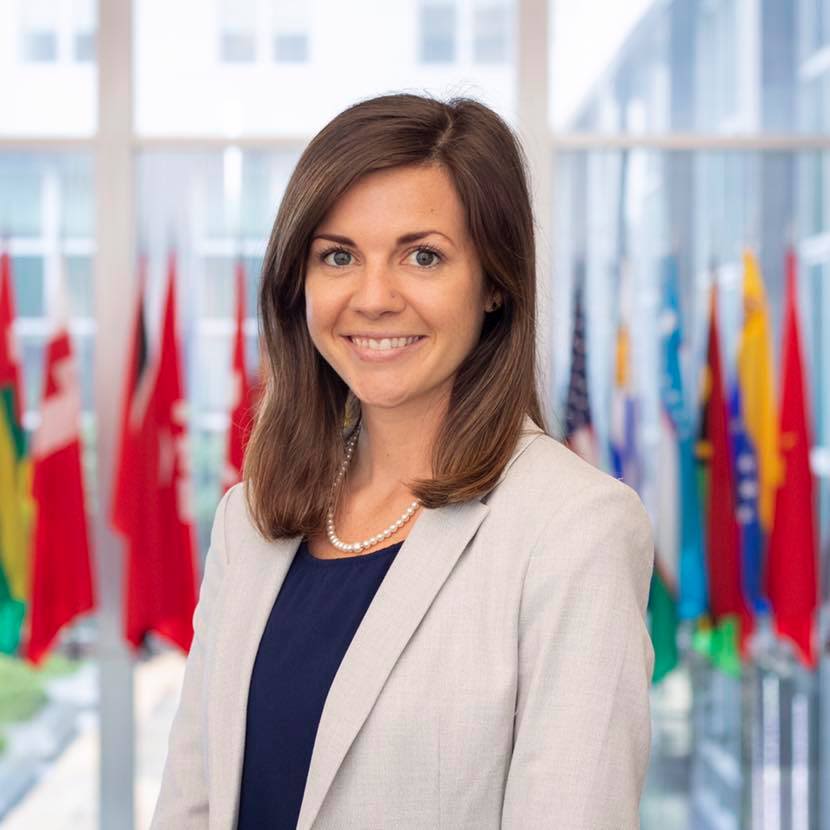
Samantha Monteith (Kosovo 2015-16) has dedicated her career to advancing U.S. diplomacy, promoting human rights, and fostering global stability. She carried on from her service in Kosovo unitl now where she serves at the U.S. Department of State, where her work spans the Bureaus of Educational and Cultural Affairs, Political-Military Affairs, and International Organization Affairs. In each role, Samantha has advanced key foreign policy goals, from promoting educational exchanges to supporting global defense partnerships and championing human rights at the United Nations. She has served as a U.S. negotiator at the UN Human Rights Council, staffed high-level trips abroad, and acted as a Political-Military Officer at the U.S. Embassy in Kosovo, where her Peace Corps experience was invaluable. Her contributions have earned her multiple Meritorious Honor Awards and deepened U.S. leadership in global diplomacy. Currently, she focuses on protecting human rights in South and Central America, addressing issues such as digital freedoms and the right to development. Samantha continues to uplift the Peace Corps mission, mentoring young leaders and actively participating in the State Department's RPCV community. Her work reflects a lifelong commitment to cross-cultural connection, democratic values, and international cooperation.
Mickey Tennis
MODERN-AGE VOLUNTEER

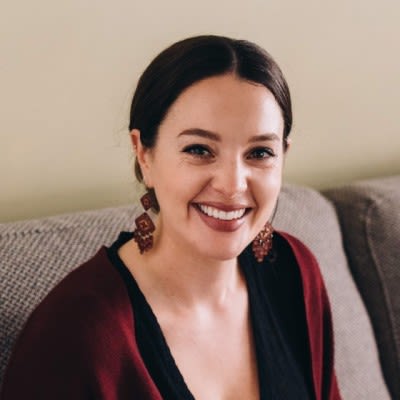
Mikaela “Mickey” Tennis (Mexico 2016-19) is a dynamic environmental educator and program leader whose work has advanced educational equity, environmental sustainability, and cross-cultural understanding. Ever since serving in Mexico, Mickey has built a career focused on empowering communities across Latin America and Southeast Asia through grant-funded educational initiatives, curriculum development, and intercultural collaboration. She has worked with organizations like Britannica Education and Opportunity Tree, leading programs that promote community capacity building, environmental stewardship, and access to learning resources. During her Peace Corps service, Mickey played a pivotal role in modernizing volunteer operations, creating Peace Corps Mexico’s first online inventory system and mentoring incoming volunteers. She also led the post’s participation in Mexico’s national Forestry Expo, significantly expanding outreach and environmental education. As founder of the Friends of Mexico NPCA Affiliate group, she has continued to strengthen the Peace Corps community by promoting cultural exchange and engagement among RPCVs and local partners. Mickey’s commitment to sustainability, education, and community-driven impact exemplifies the Peace Corps mission. Through her work across continents, she has contributed to a stronger, more connected world, building bridges, elevating local voices, and modeling the values of service, adaptability, and inclusive leadership.
Stephanie Shelton
ARCHITECT OF SERVICE
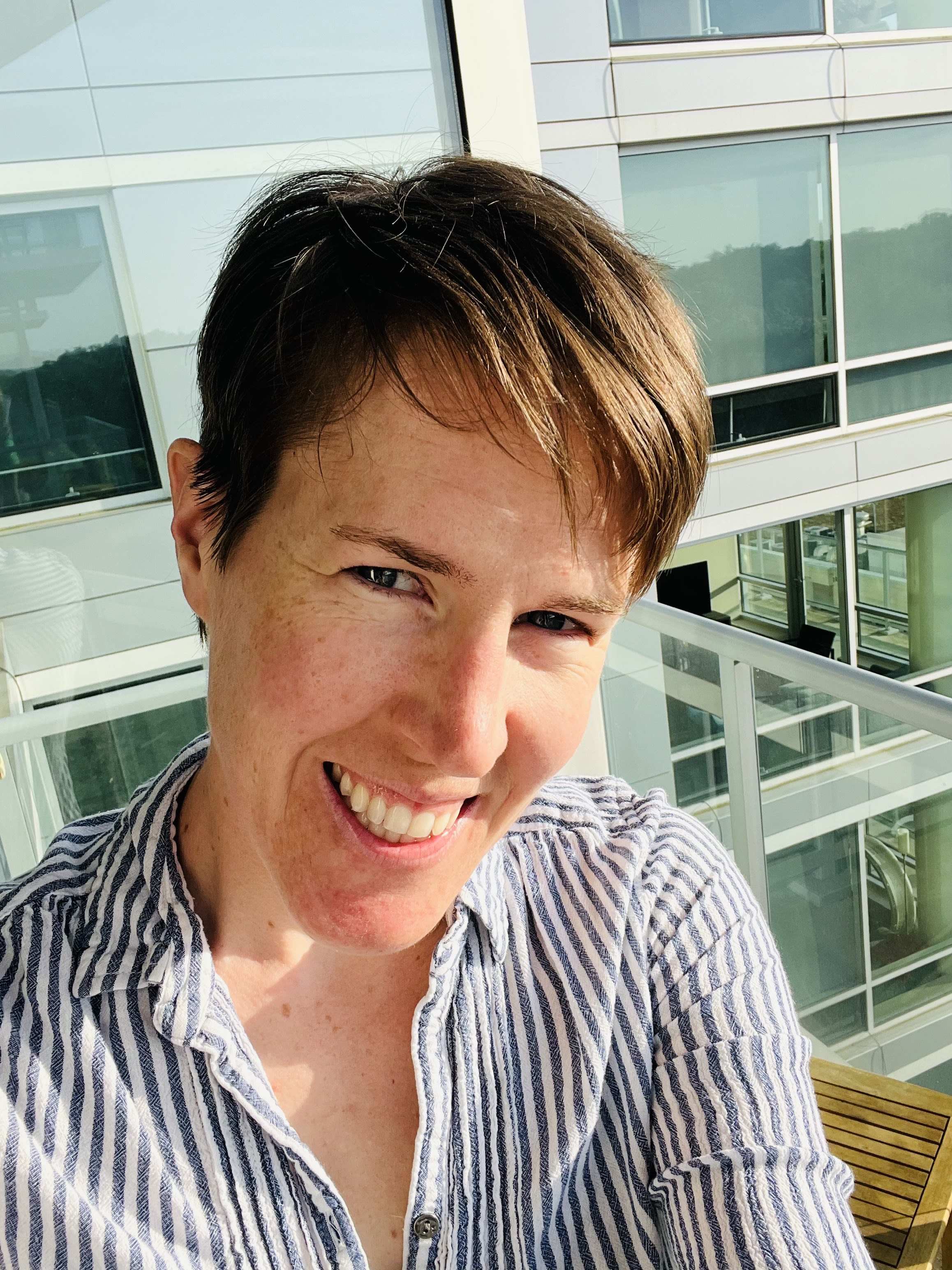
Stephanie Shelton (Tonga 2012-14) illustrates service-minded leadership across a broad spectrum of data science, public good, and community engagement. Stephanie began her journey by training local educators as a volunteer in Tonga where she focused on promoting student-centered pedagogy, gender equity, and leading after-school youth programs. Her Peace Corps service set the tone for a career rooted in impact. Professionally, Stephanie has held roles at the FCC, Deloitte, and now Salesforce, where she serves as a Tableau Solution Architect. In each position, she has harnessed analytics to enhance public policy, detect fraud, and empower organizations to make data-driven decisions. Beyond her 9-to-5, she uplifts others through service: as Vice President of RPCV/W, she has led grant proposals, overhauled communications infrastructure, and cultivated deeper engagement across the RPCV community. Whether coaching youth mountain biking or modernizing outreach for returned Volunteers, Stephanie leads with precision, purpose, and passion. Her continued commitment to building stronger systems and stronger communities, both local and global, makes her a standout among Peace Corps alumni and a deserving honoree of the 40 Under 40.
Jack O'Rourke
CAPACITY AND RELIEF
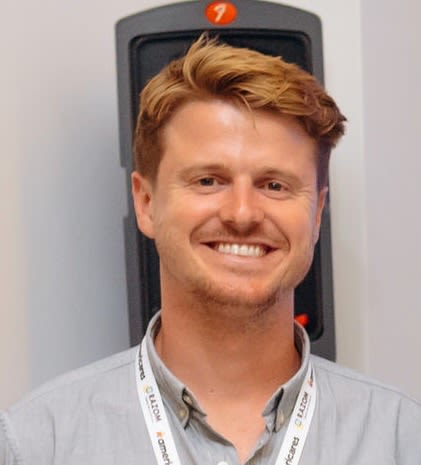
Jack O’Rourke’s (Cameroon 2015-17) career has been shaped by a deep-rooted commitment to global health equity and humanitarian response. From HIV treatment initiatives in rural Cameroon to medical aid coordination in conflict zones, his work reflects a values-driven approach that brings together compassion with operational precision. Jack has managed disease eradication programs in South Sudan with The Carter Center, overseen health facility rehabilitation in Sierra Leone with Médecins Sans Frontières, and led a $20 million humanitarian response in Ukraine with Americares, delivering hundreds of tons of critical medical supplies to war-affected communities. Now supporting medical relief efforts in Gaza, Jack collaborates with USAID, WHO, and local partners to navigate complex security and logistics challenges. His leadership prioritizes not only emergency response but long-term capacity building, ensuring that local systems are stronger, more resilient, and more sustainable after international teams have gone. He’s recognized for his ability to build trust across cultures, foster lasting partnerships, and center dignity in even the most urgent of environments. Jack’s work exemplifies a throughline of service, adaptability, and solidarity, all qualities cultivated early and carried into every chapter of his career. He doesn’t just respond to crises; he helps communities prepare for what’s next, and in doing so, leaves systems stronger than he found them.
Jane Wallis
LAYERED HEALTH EDUCATION
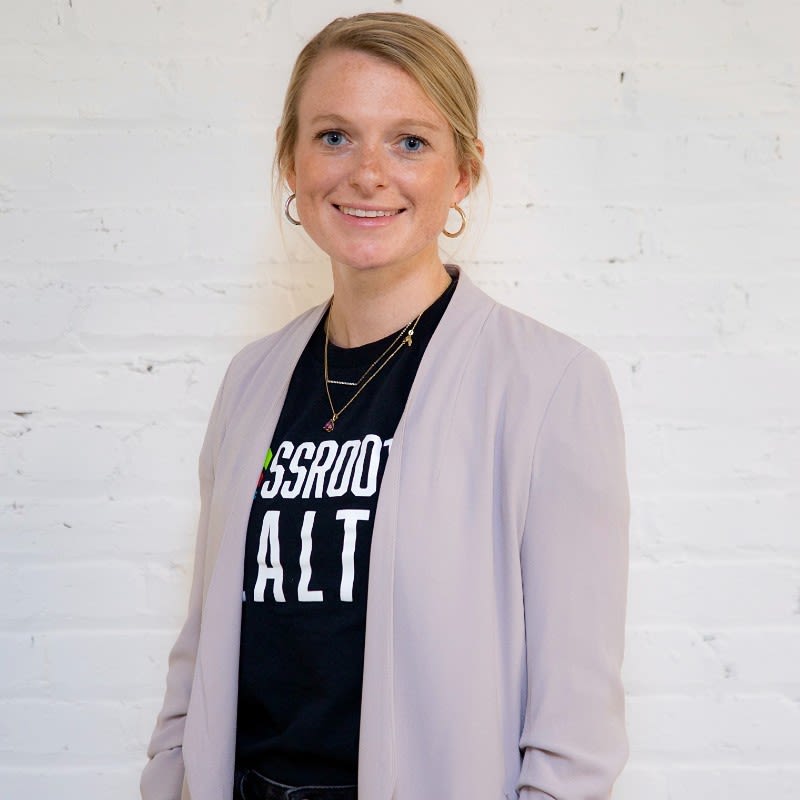
Jane Wallis (Zambia 2015-17) is a public health leader who has transformed youth health education into a tool for community-driven change. As Executive Director of Grassroots Health, she has expanded the organization’s programming from a one-year sexual health curriculum to a three-year comprehensive model that includes nutrition, physical wellness, and mental health promotion. Her work centers on equitable, community-rooted systems, linking students, parents, and local health providers in layered education networks that reflect real-world needs. Jane’s journey began as a college volunteer educator, where she quickly recognized gaps in health literacy and led the development of a complementary parent curriculum. Her time in Zambia further deepened her commitment to participatory learning and inclusive systems. Returning to Grassroots Health after earning her MPH, she led major innovations in curriculum development, monitoring and evaluation, and community engagement, pushing the field toward more integrated and sustainable models. Outside of her organizational leadership, Jane serves as Vice Chair of the DC Mayor’s Regional Commission on Health and HIV and chairs the Commission’s Integrated Strategies Committee. Her work has been nationally recognized, including on NBC Washington’s Harris’ Heroes, and she was named a 2024 Seeding Disruption Fellow.What sets Jane apart is her relentless belief that better health education creates healthier communities. She questions norms, builds trust, and delivers tangible outcomes. Her leadership reflects the Peace Corps’ enduring mission of partnership, capacity-building, and transformative local engagement.
Curt Commander
OPPORTUNITIES TO OUTCOMES
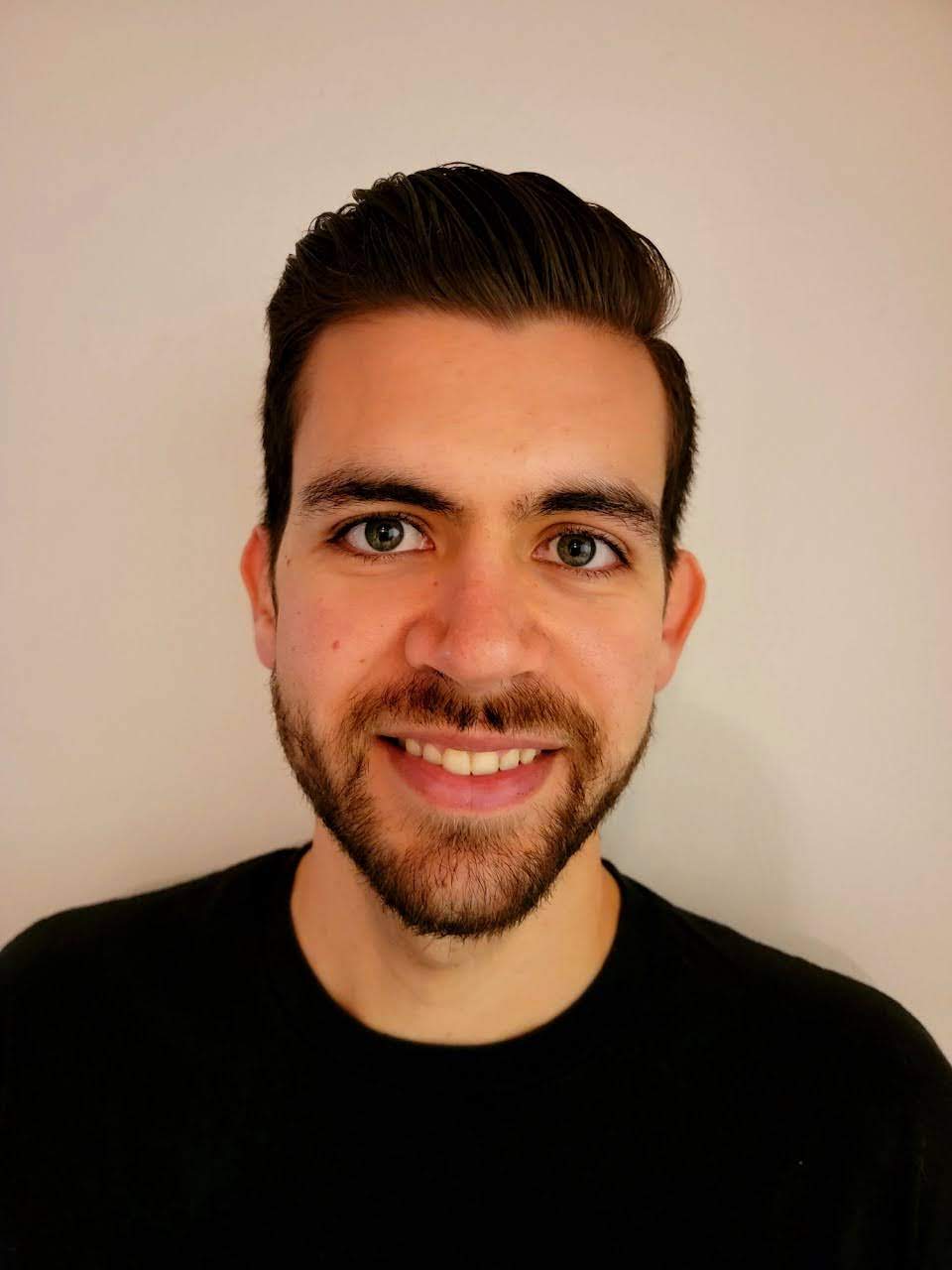
Curt Commander (Colombia 2019-20) has quietly revolutionized how grassroots lending can serve the world’s most remote communities. After his Peace Corps service in Colombia was cut short by the COVID-19 evacuation, Curt began volunteering with TCP Global, a microloan nonprofit supporting low-income entrepreneurs in underserved regions. What began as volunteer work turned into a transformational contribution: Curt automated the organization’s entire data infrastructure, developed a mobile app that works without stable internet, and created survey tools that allow for real-time impact tracking, even in areas with no computer access. Thanks to Curt’s systems, TCP Global has expanded from dozens to over 300 active sites. His tools have made it possible for borrowers in rural villages to document progress, send reports, and access capital, reaching communities that would otherwise be left behind. Families now report consistent meals, improved health outcomes, and school attendance for their children, all stemming from loans that empower local entrepreneurship. Curt also led TCP Global’s transition to a fully independent nonprofit and built the digital systems that underpin its current growth. His work has helped Peace Corps volunteers and staff around the world launch or sustain loan programs in-country, creating long-term, local economic opportunities that reduce the drivers of migration and poverty. Blending technical precision with deep cultural awareness, Curt exemplifies how thoughtful innovation can extend the Peace Corps mission far beyond service years, and into lasting systems of change.
Jacob Argue
FINANCIAL ADVOCACY
Jacob Argue (Tanzania 2019-20) has dedicated his early career to navigating between economic development, diplomacy, and democracy. As an Economist at USAID’s Bureau for Europe and Eurasia, Jacob has been instrumental in advising U.S. missions across the region, from the Balkans to the Caucasus, on how to counter coercive economic tactics by authoritarian actors and strengthen the resilience of fragile democracies. His leadership on tracking non-transparent investment from the People’s Republic of China and supporting Ukraine’s post-war recovery has directly shaped U.S. policy and bolstered stability across nations on the frontlines of geopolitical competition. Before stepping into federal service, Jacob honed his public policy credentials as a Coverdell Fellow at Duke University and earned his start in public service teaching physics in rural Tanzania. That foundation in community engagement and grassroots impact continues to inform his work today. Whether coordinating with partner governments or advising on complex economic reforms, Jacob brings a Peace Corps-honed commitment to local partnerships and long-term sustainability. A vital member of the Peace Corps community in Washington, D.C., Jacob currently serves as Treasurer for RPCV/W. He has played a key role in expanding outreach, modernizing operations, and ensuring fiscal responsibility for one of the country’s largest returned volunteer organizations. His impact spans continents, but his approach remains grounded in the belief that economic opportunity and civic engagement are essential pillars of peace.

Jerome Moore
EQUALITY, JUSTICE, AND COMMUNITY
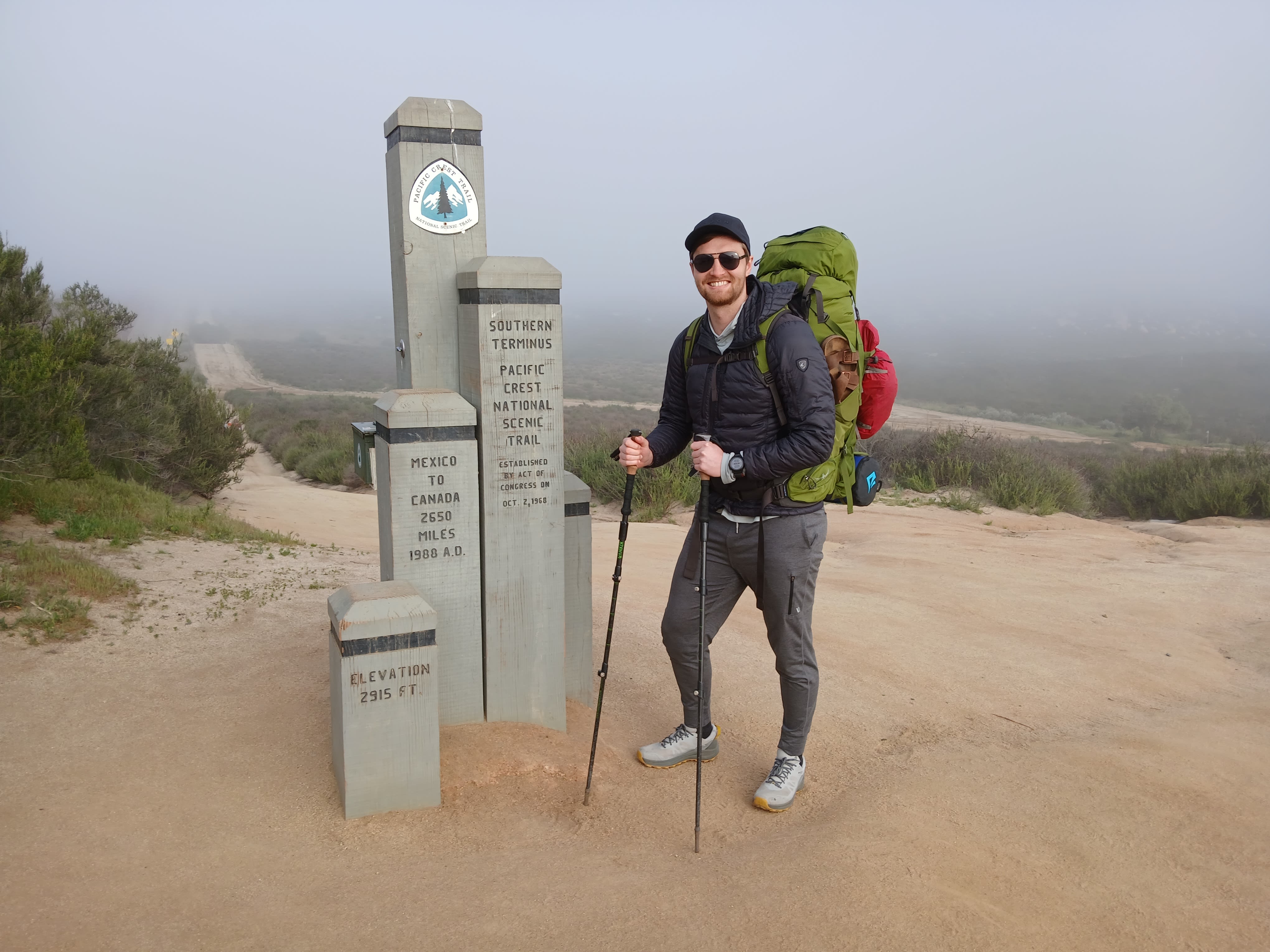
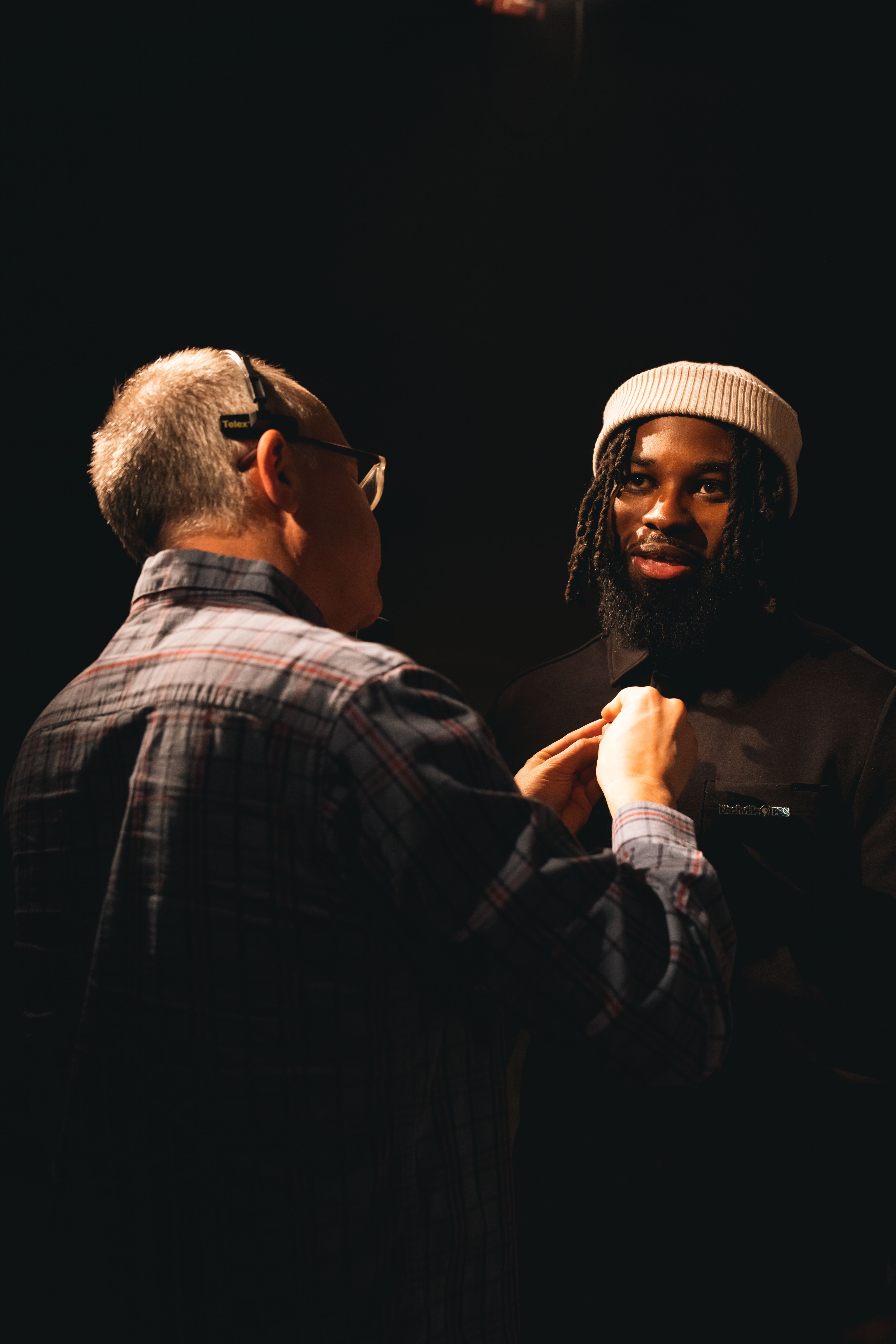
Jerome Moore (Paraguay 2015) is a visionary media creator and community advocate whose work strengthens civic engagement, advances social equity, and bridges cultures through powerful storytelling. As the creator of Deep Dish Conversations, an award-winning podcast and television series on Nashville PBS, Jerome fosters meaningful dialogue between policymakers, activists, and everyday citizens. His bestselling book, Deep Dish Conversations: Voices of Social Change in Nashville, extends this mission by highlighting local leaders committed to equity and justice. His upcoming national PBS show, The Good in Us, set to premiere in 2025, takes this mission nationwide, spotlighting the power of volunteerism and service through stories of individuals and organizations improving their communities. Whether through public media, publishing, or community events, Jerome’s work consistently inspires action and uplifts underrepresented voices.Jerome draws deeply from his international experiences, from his Peace Corps time in Paraguay to his time spent in Costa Rica, China, and the Philippines. His podcast series Black Americans Making Their Mark: Stories Abroad filled a critical gap in media representation, exploring the experiences of Black Americans living internationally and encouraging greater cross-cultural engagement. Through initiatives like Explore Social Change, Jerome continues to educate, empower, and equip communities with the tools to spark meaningful transformation. His impact on the Peace Corps community is both direct and profound: by highlighting global stories of service and championing diverse narratives, he reinforces the values of cultural understanding and lifelong service that are central to the Peace Corps mission.His leadership extends beyond media. As a New Leaders Council Fellow and Leadership Connect Fellow with the Nashville Area Chamber of Commerce, Jerome exemplifies the next generation of civic-minded changemakers. His career is a testament to the idea that local conversations, when amplified with integrity and heart, can drive global change.


Join the National Peace Corps Association
The National Peace Corps Association (NPCA) is a mission-driven social impact organization that encourages and celebrates lifelong commitment to Peace Corps ideals. NPCA supports a united and vibrant Peace Corps community, including current and returned Peace Corps volunteers, current and former staff, host country nationals, family, and friends, in our efforts to create a better world. NPCA exists to fulfill three specific goals: advocacy, community, and impact.
Are you looking to get more involved in the NPCA community? Consider becoming a Mission Partner with NPCA to get discounts on future NPCA events and a free subscription to WorldView magazine. It's only $50 a year.
 Built with Shorthand